News —
The Hidden Watts: Why Fit Matters for Power Transfer in Cycling
As BOA® athlete Kasia Niewiadoma-Phinney of Team CANYON//SRAM prepares for the legendary ascent of Mont Ventoux at this year's Tour de France Femmes avec Zwift, new research from the BOA® Human Performance Fit Lab highlights one of cycling's overlooked performance aspects: the connection between foot, shoe, and pedal.
In professional cycling, WorldTour teams analyse nearly every potential source of resistance and energy loss – from aerodynamics and tire pressure to nutrition, pacing, and riding position.
Improving the Connection Between Foot, Shoe, and Pedal
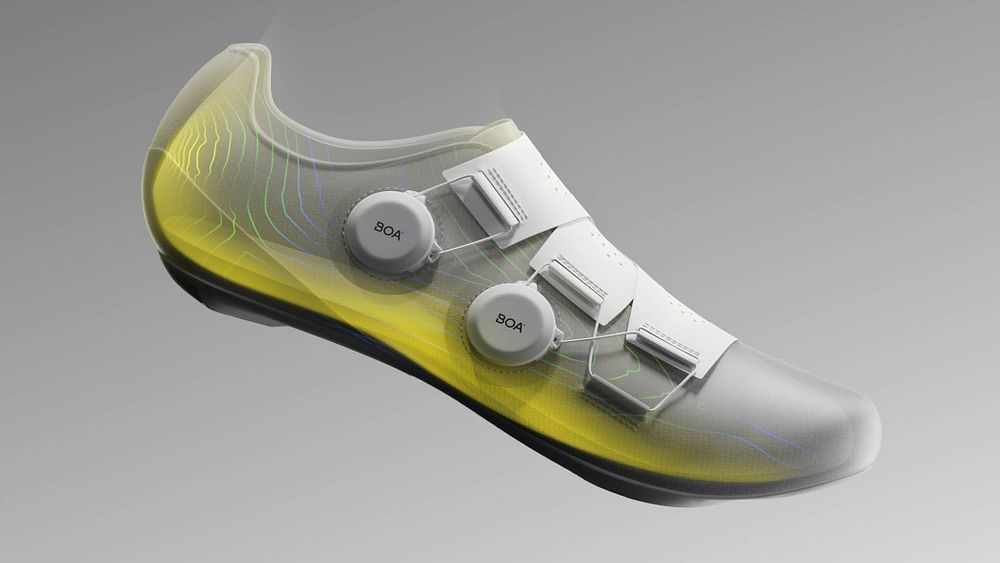
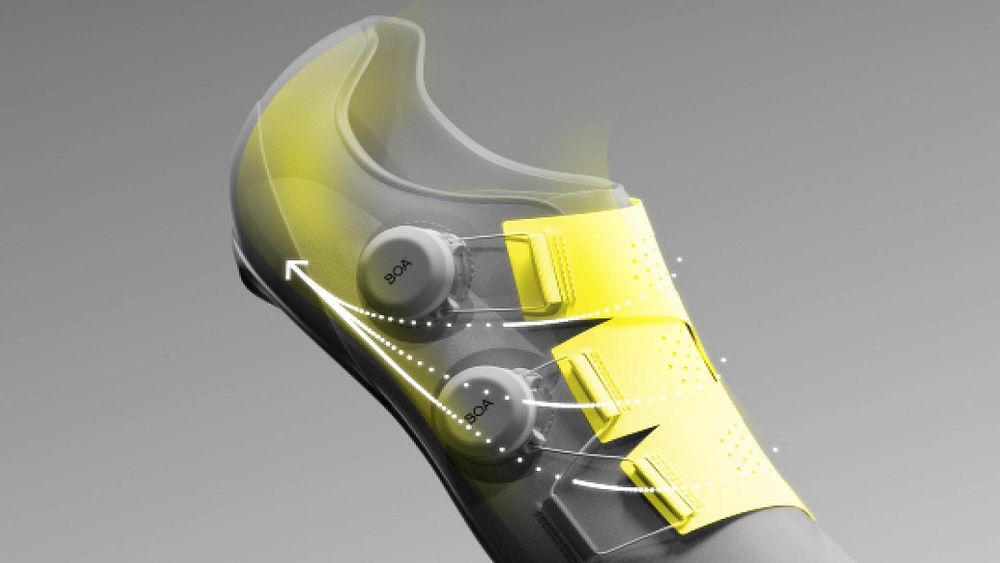
BOA®-Powered Wrap configurations uniformly wrap the foot through their innovative panel structure, allowing pressure to be distributed more evenly, the heel to be securely locked, and the connection between the foot and midsole to be enhanced.
The result is a micro-adjustable, uniform, and secure fit that reduces unwanted movement inside the shoe while creating a more stable connection between the foot, the midsole, and the pedal.
“At the highest level of cycling, meaningful performance gains are becoming increasingly difficult to achieve. That’s why teams are analysing the entire rider-equipment system,” says Dan Feeney, PhD, Vice President of Partner Product Innovation and Development at BOA® Technology.
“Our research shows that fit plays a critical role. By stabilizing the heel and midfoot, unwanted movement inside the shoe can be reduced, improving the rider’s interaction with the pedal and materially increasing power through greater efficiency.”
In controlled, cycling-specific tests conducted at the BOA® Human Performance Fit Lab, BOA®-powered wrap configurations demonstrated improvements in power transfer, energy efficiency, and speed under the respective test conditions. From the outset, power transfer increased by up to 3%, corresponding to a performance gain of approximately 3 watts. As ride duration increased, the benefits of improved energy efficiency became even more pronounced, with the performance advantage rising to as much as 4.5 watts over the course of the test.
Even after accounting for measured aerodynamic differences, a representative sprint scenario still showed an advantage of approximately 22 watts. At the same time, aerodynamic testing showed that the differences between shoe configurations were relatively small and depended heavily on the design, riding speed, and specific conditions.
Overall Performance Rather Than a Single Metric
Riders choose their shoes based on overall race performance - not on a single isolated metric.
The key advantage of the BOA® Fit System lies in the connection it creates between the foot, shoe, and pedal. A micro-adjustable, uniform, and secure fit stabilizes the heel and midfoot, reduces unwanted movement inside the shoe, and helps riders transfer a greater proportion of their available power directly to the pedal.
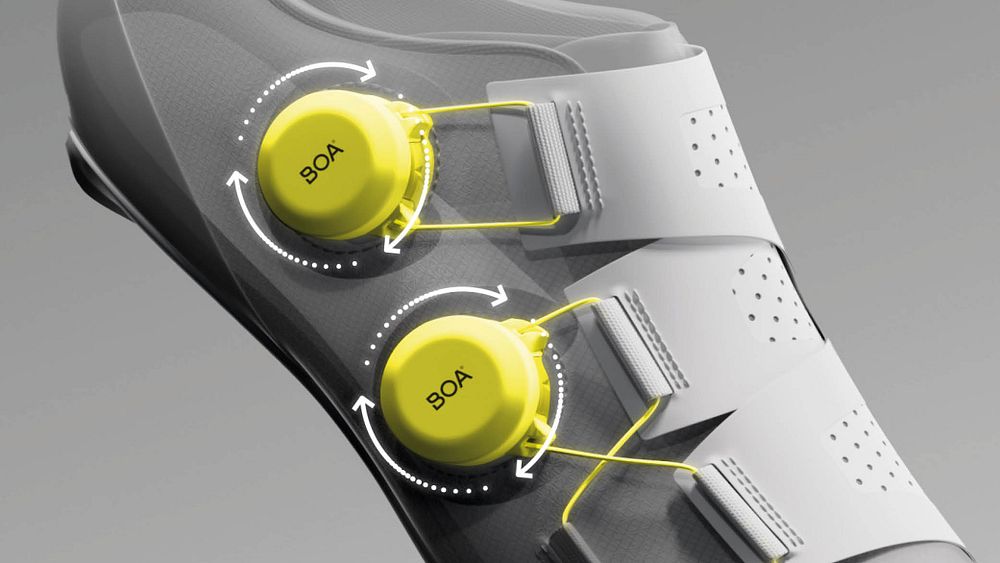
MICRO-ADJUSTABLE
UNIFORM
SECURE
Fit Changes Throughout a Race
The demanding route of this year's Tour de France Femmes avec Zwift features more climbing than any previous edition. On August 7, Stage 7 finishes atop Mont Ventoux – one of the race's toughest challenges. The climb places exceptional demands on pacing, energy management, and the ability to produce power after several days of racing and at the decisive moment of a stage.
For BOA® athlete and 2024 Tour de France Femmes overall winner Kasia Niewiadoma-Phinney, fit is not a static setting. It evolves continuously throughout training and racing.
"I regularly micro-adjust my BOA® dials, both in training and during races," says Niewiadoma-Phinney. "At the start, I keep them a little looser. When a climb or a hard effort begins, I tighten them to eliminate movement inside the shoe so that power is transferred directly to the pedal."

BOA® does not engineer for aerodynamics as an isolated metric, but for the rider's overall performance. That includes precision fit, improved heel retention, a stronger connection to the midsole, and improved power transfer across the constantly changing demands of a race.
The overarching takeaway is clear: fit matters. By optimizing the connection between rider and equipment, an improved fit can make a measurable contribution to overall performance.