Press release —
4,800 Self Assessment scams reported
- More than 4,800 Self Assessment scams have been reported to HMRC.
- In the last 10 months, HMRC received more than 135,500 reports of suspected scams.
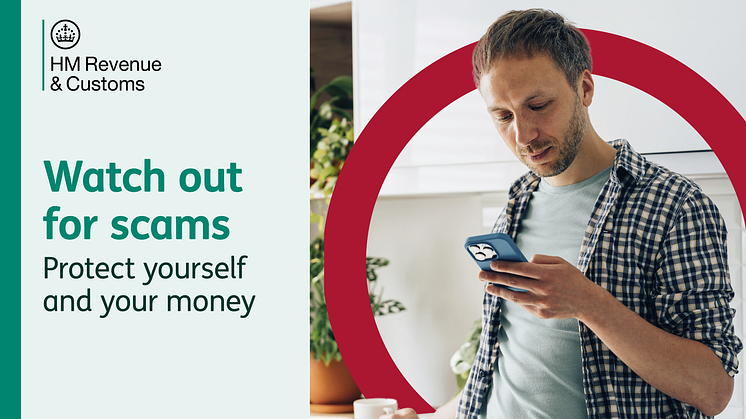
- HMRC urges people to stay alert to potential scams ahead of the Self Assessment deadline.
HM Revenue and Customs (HMRC) has issued a warning after more than 4,800 Self Assessment scams have been reported since February 2025.
Scammers use persuasive and threatening tactics to target people when they are more likely to receive correspondence from HMRC. They send fake tax demands or attempt to pressurise people to hand over personal information.
In the last 10 months, customers have reported more than 135,500 HMRC-related scams, including 29,000 scams referring to fake tax refund claims.
HMRC is reminding customers to be vigilant as the Self Assessment deadline nears and check whether the email, SMS message or phone call claiming to be from HMRC is genuine on GOV.UK.
The Self Assessment deadline to file returns and pay any tax owed for the 2024 to 2025 tax year is 31 January 2026. Customers can file onlineon GOV.UK.
Lucy Pike, HMRC’s Chief Security Officer, said:
“Millions of people file a tax return each year and scammers mimic HMRC to try and catch unsuspecting victims out.
“I’m urging people to stay vigilant and if any emails, text messages or phone calls appear suspicious – don’t be lured into clicking on links or sharing your personal information – report it directly to HMRC. Just search ‘report an HMRC scam’ on GOV.UK to find out more.”
HMRC has taken swift action to close down nearly 25,000 fake websites and phone numbers in the last 10 months. HMRC will never:
- leave voicemails threatening legal action or arrest
- ask for personal or financial information via text message or email
- contact customers by email, text, or phone to inform them about a refund or ask them to claim one
Anyone who receives suspicious communication from HMRC can forward emails to phishing@hmrc.gov.uk, SMS messages to 60599 or report phone calls mimicking HMRC on GOV.UK. Find out more about how to report scam activity to HMRC on GOV.UK.
Notes to Editors
1. More information about Self Assessment.
2. HMRC’s scam advice:
Protect
• Criminals are cunning - protect your information.
• Take a moment to think before parting with your money or information.
• Use strong and different passwords on all your accounts so criminals are less able to target you.
Recognise
• If a phone call, text or email is suspicious or unexpected, don’t give out private information or reply, and don’t download attachments or click on links.
• Check on GOV.UK that the contact is genuinely from HMRC.
• Do not trust caller ID on phones. Numbers can be spoofed.
Report
• If you’re unsure about a text claiming to be from HMRC forward it to 60599, or an email to phishing@hmrc.gov.uk. Report a tax scam phone call on GOV.UK.
• Contact your bank immediately if you’ve had money stolen, and report it to Report Fraud. In Scotland, contact the police on 101.
• By reporting phishing emails, you help stop criminal activity and prevent other people falling victim.
3. Anyone due a refund can claim it securely via their HMRC online account or via the free HMRC app.
4. For more advice on how to stay safe online, visit the Home Office Stop! Think Fraud website.
5. Follow HMRC’s Press Office on X @HMRCpressoffice
Related links
- Check if an email you've received from HMRC is genuine
- Check if a text message you've received from HMRC is genuine
- Check if a phone call you've received from HMRC is genuine
- File your Self Assessment tax return online
- Report suspicious HMRC emails, texts, social media accounts and phone calls
- Self Assessment tax returns
- HMRC phishing and scams: detailed information
- Welcome to Report Fraud
- Download the HMRC app
- Stop! Think Fraud
Topics
Categories
Issued by HM Revenue & Customs Press Office
HM Revenue & Customs (HMRC) is the UK’s tax authority.
HMRC is responsible for making sure that the money is available to fund the UK’s public services and for helping families and individuals with targeted financial support.