FireSmart, Lindab's new fire damper control system.
FireSmart, Lindab’s new fire damper control system. Developed by DiSYS Technologies, delivering smarter fire safety through continuous monitoring, seamless integration, and simplified maintenance.

FireSmart, Lindab’s new fire damper control system. Developed by DiSYS Technologies, delivering smarter fire safety through continuous monitoring, seamless integration, and simplified maintenance.
Disys Technologies supports safer healthcare environments with fully compliant fire and smoke damper control systems—backed by proven UK hospital experience, nationwide servicing, safety accreditation, and ongoing product innovation.

Choosing to install below standard may seem like an acceptable corner-cutting exercise, but it can lead to significant issues down the line. Installing ducting made to DW144 standards is not just a technical requirement; it’s a commitment to excellence that ensures you meet the needs of your customer and protect the reputation of your business.

Lindab Appoints Nick Glover as National Sales Manager for Profile Business
Toy collection to helping children living in poverty wake up to a gift from Santa.

Temperature is one of the main factors that determines how comfortable we feel indoors. Both high and low temperatures can affect mental ability, work capacity, strength and mobility. How we experience temperature varies from one individual to another, depending on for example age, clothing and health.

VOCs have short and long-term effects on health. So how can VOC levels be reduced to minimise the impact?

Through research, advocacy, and education, FGK works to promote healthy, energy-efficient, and sustainable indoor environments. An FGK Literature Review highlights a critical link between indoor air quality and productivity, concentration, and health in schools and workspaces
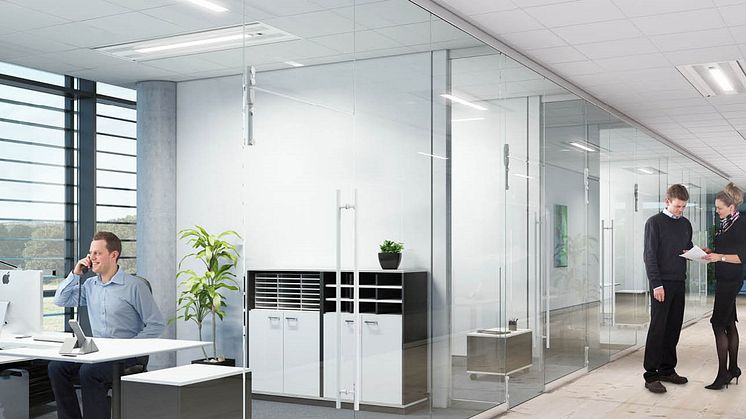
Lindab Ltd is thrilled to announce its recent partnership with the Construction Leadership Council (CLC) as a Construct Zero Partner.

Relative humidity is the amount of moisture present in the air. When it goes below 30% you may experience irritation and discomfort. When it goes above 60% the presence of moisture and dirt can cause mould and other biological contaminants to thrive. Too much humidity can also cause damage to the building.
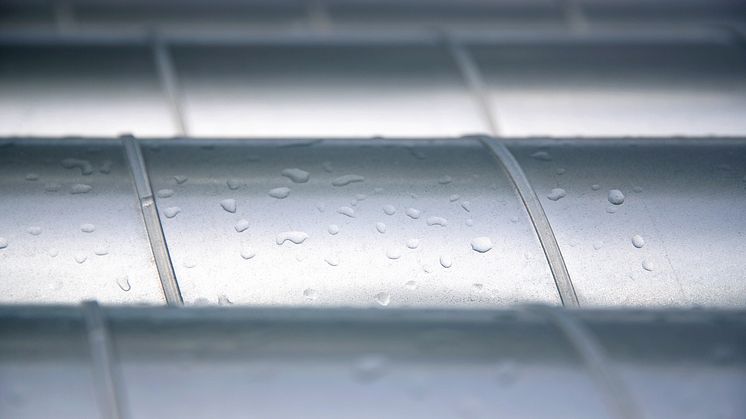
Let’s talk a bit about particulate matter, or airborne particles. Airborne particles are a form of air pollution. Particles are found everywhere, especially on carpets, upholstered furniture and other fabrics. They can affect your lung function and worsen respiratory conditions such as asthma.
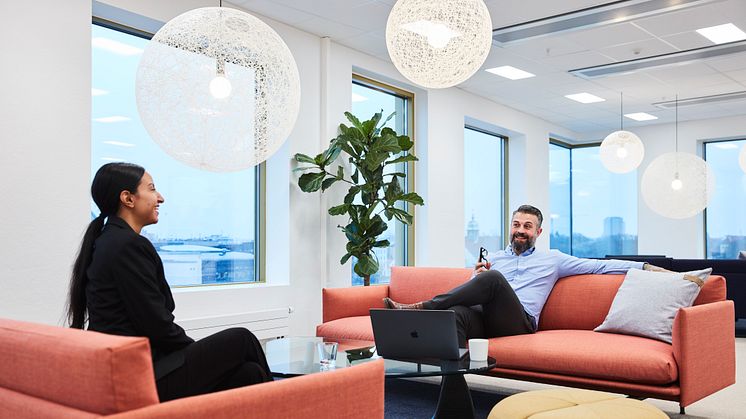
Carbon dioxide is normally used as an indicator of air quality. When the carbon dioxide levels are high it’s an indication of stagnant, stale air which normally has more particles and emissions which in turn can cause other problems both for your health and for the building.

High or unbalanced pressure drop can lead to increased running costs and inefficient performance of your ventilation system. In this post we will look at four important factors that can affect the pressure drop of the ventilation system in your building.
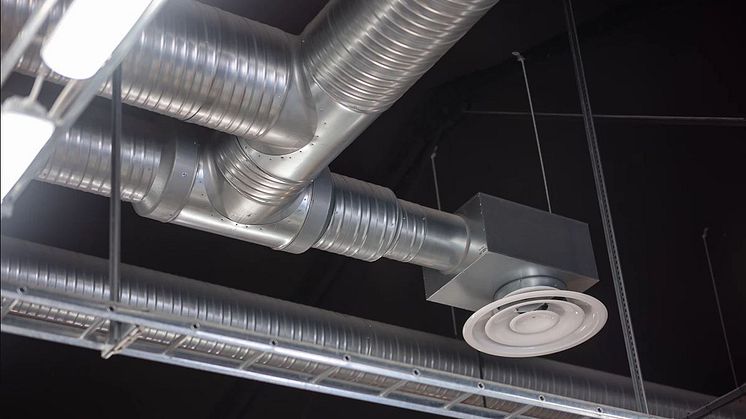
From the very first moment in life we need air. We start life by taking a deep breath of air and from that very moment we are dependent on it – for life, health and wellbeing. So, why should we care about our indoor air quality?

Pressure drop can be a source of wasted energy and is an important parameter in determining the overall running costs of a building’s ventilation system. In this blog post, we’ll try to explain pressure drop in a simplified way, how pressure drop data is used in ventilation design and why low pressure drop contributes to a more energy efficient ventilation system.

Lindab's journey toward reduced CO₂-emissions - first stop: decarbonised steel
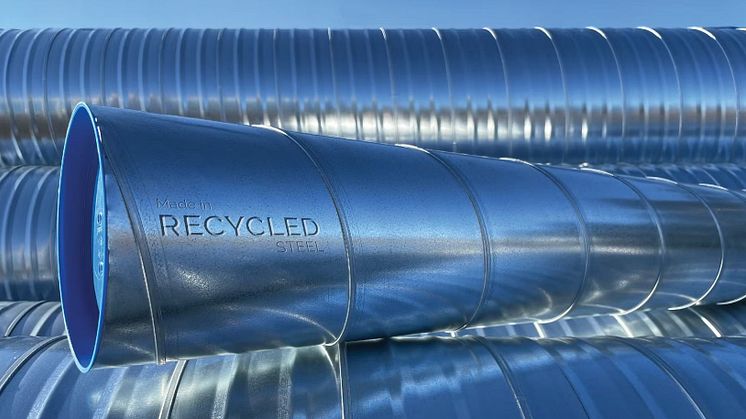
In recognition of Nigel Stoke’s impact on the Lindab Profile business, Lindab Profile will be closed on the day of Nigel’s funeral- Friday 28th June.
Lindab and Castellum are collaborating on duct systems in fossil-free steel for a renovation project in Stockholm, Sweden. Lindab is the first ventilation company in the world to receive a pilot delivery of fossil-free steel from SSAB. Castellum is significantly reducing the project's climate impact by choosing fossil-free ventilation ducts for its refurbishing.
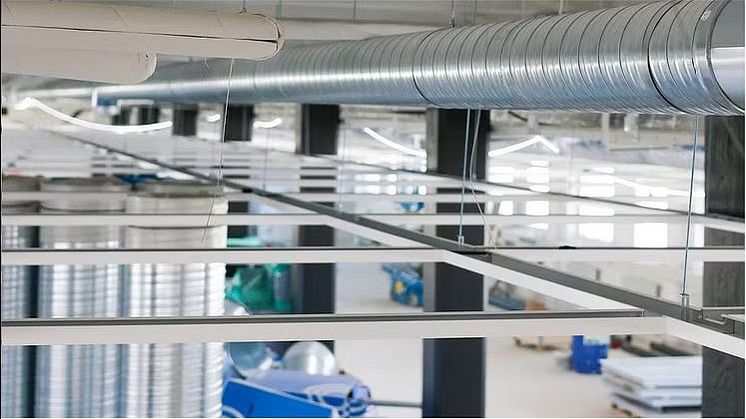
Lindab will deliver the world's first ventilation ducts in fossil-free steel to an innovative construction project in Lund, Sweden. The real estate company Vectura is developing and managing the project, and Skanska will handle the construction. The aim is for the property to be LEED Gold certified.
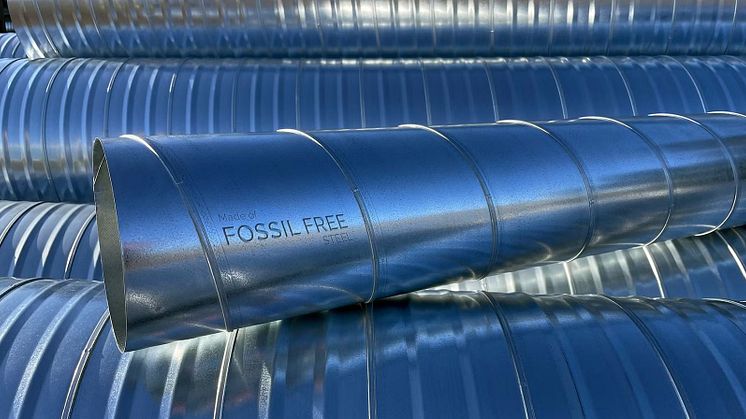
As one of few companies in the world, Lindab will receive a test delivery of fossil-free steel from SSAB. Lindab will offer its customers a limited number of ventilation and building construction products made from fossil-free steel.