
Press release —
PFAS Found in 83% of Tested U.S. Waterways. FloWater Says It's Time to Demand Better
New findings reveal widespread PFAS contamination in America's rivers, lakes and streams raising urgent questions about the water Americans trust every day.
DENVER, CO, October 21, 2026 — FloWater is calling for stronger action on water contamination after a new Environment America Research & Policy Center report detected PFAS at 1,329 of 1,602 monitored U.S. surface-water sites.
“Clean water shouldn't be a luxury, it should be a given,” says Rich Razgaitis, CEO and co-founder of FloWater, the Denver-based water purification company on a mission to transform the way the world drinks water. “The new research raises serious questions about just how clean America's water really is.”
The report from the Environment America Research & Policy Center found PFAS, commonly known as "forever chemicals," in 83% of monitored surface-water sites across the United States. Of the 1,602 sites tested, 1,329 showed evidence of PFAS contamination.
For FloWater the findings reinforce a growing problem: Americans are being asked to trust their water without always knowing what's in it
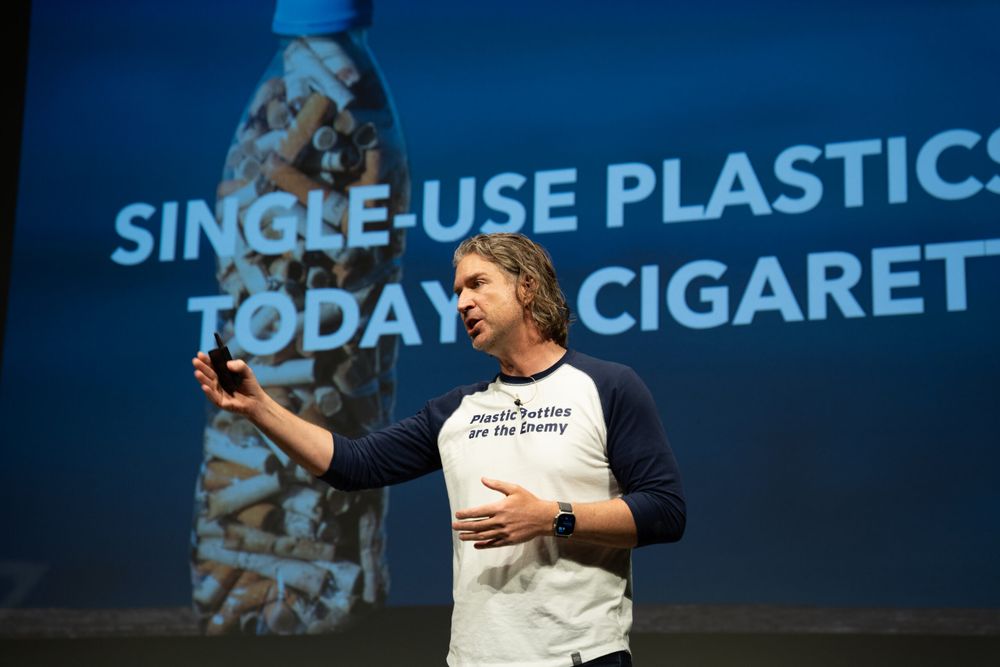
"Think about this. We banned lead paint nearly 50 years ago, yet millions of Americans are still dealing with lead in their drinking water. Now we're seeing forever chemicals show up in waterways across the country," said Rich "Raz" Razgaitis, CEO and Co-Founder of FloWater. "At what point do we stop accepting this as normal? Americans deserve better. They deserve water they can trust.”
The report, PFAS Found in America's Lakes and Streams, published October 13, analyzed monitoring data collected between 2022 and 2024 from rivers, lakes, streams and other surface waters. Researchers identified 114 different PFAS compounds, with monitoring gaps suggesting the findings capture only part of the larger contamination picture.
While the findings do not mean 83% of Americans have PFAS in their tap water, they highlight how widespread these persistent chemicals have become in the environment.
PFAS are a class of synthetic chemicals that can remain in the environment for years. Exposure to certain PFAS has been linked to serious health concerns, including some cancers, weakened immune responses and developmental problems.
And the problem doesn't stop with PFAS.
A 2024 Johns Hopkins-led study found that nearly seven in ten Chicago children under age six lived in homes with detectable lead in their tap water. Federal health officials have also reported that PFAS are present in the blood of nearly all Americans.
"We're talking about the water our kids drink at school, the water we fill our bottles with at work, and the water we serve our families at home," Razgaitis continued. "This isn't just an environmental issue. It's a public health issue. And it's one we have the technology and knowledge to do something about.”
FloWater is calling for stronger pollution prevention, more transparent water-quality testing, faster treatment of identified contamination and greater accountability from policymakers.
But the company also believes Americans shouldn't have to wait for sweeping policy changes to take action.
Razgaitis says people "need to know what's in their water. Ask questions. Demand better”.
Households should review local water-quality reports and understand which contaminants their drinking-water treatment systems are designed and independently certified to reduce.
Employers should take an active role in understanding the quality of the water they provide to employees and addressing identified contamination.
Since 2013, FloWater has worked to change the way Americans experience drinking water, bringing advanced purification technology to workplaces, schools, hotels, fitness studios and other locations across the country while helping reduce reliance on single-use plastic bottles.
"Great-tasting water is something people love. Clean, safe water is something everyone deserves," said Razgaitis. "The technology exists. The science is clear. What's missing is the urgency to make trusted drinking water the standard, not the exception because when it comes to the water we drink every day, good enough simply isn't good enough.”
