






Collectively agreed nominal pay outcomes in 2014 break with the past
Eurofound publishes its annual ‘Developments in collectively agreed pay’ report

Eurofound publishes its annual ‘Developments in collectively agreed pay’ report
Eurofound’s new ‘Developments in collectively agreed working time 2014’ report covers several issues related to the length of working time in the European Union and Norway in 2014.
This year marks 40 years for the European Foundation for the Improvement of Living and Working Conditions (Eurofound), the Dublin-based EU Agency charged with providing knowledge in the area of social and work-related policies.
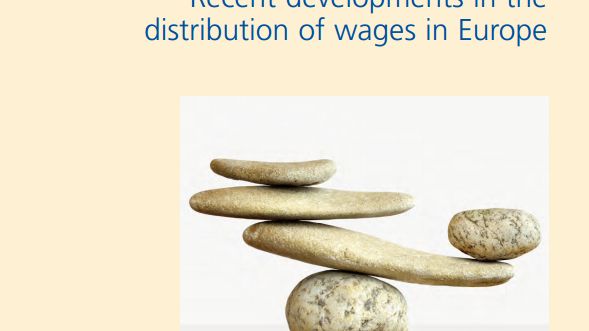
Wage inequality has been increasing overall in Europe since the onset of the Great Recession, and is mainly due to rising wage inequalities within countries, according to a new report from Eurofound, the Dublin-based EU Agency.
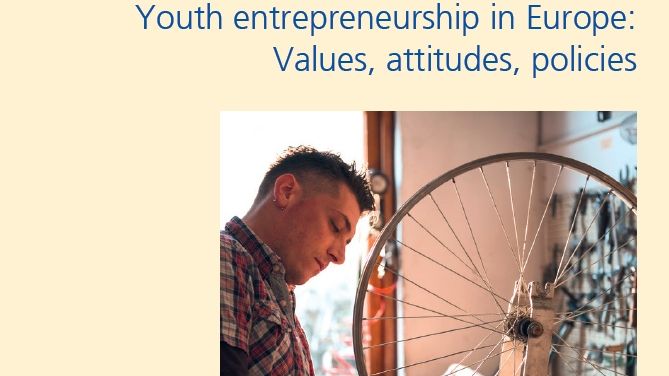
Only a fraction of young Europeans interested in becoming entrepreneurs actually go on to do so, according to Eurofound’s new report ‘Youth entrepreneurship in Europe: Values, attitudes, policies’.
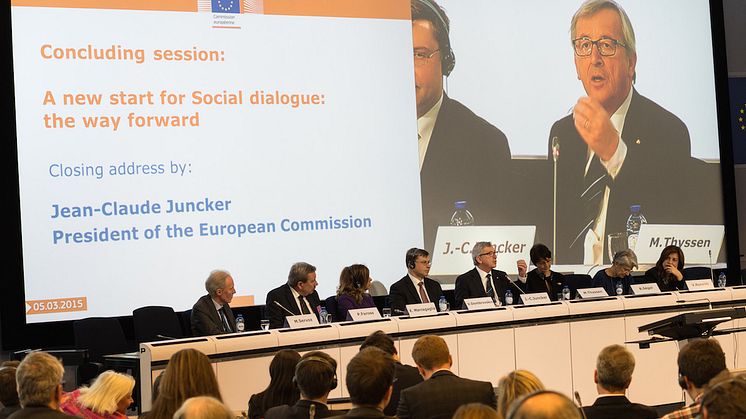
On 21 and 22 April 2015 Ministers for Employment and Social Affairs in Riga again discussed informally ways towards a true and responsible social dialogue.
Eurofound launches 3rd European Company Survey overview report at high-level EU Presidency conference ‘Workplace practices: creating win-win arrangements for companies and employees’

In the immediate aftermath of the recession in 2008, employment in the public sector continued to grow, helping to sustain demand in the European economy. However, by 2010 significant restructuring was underway in the public sector in several Member States. The ‘ERM Annual Report 2014 – Restructuring in the public sector’ provides an overview of restructuring trends in Member States since 2008.

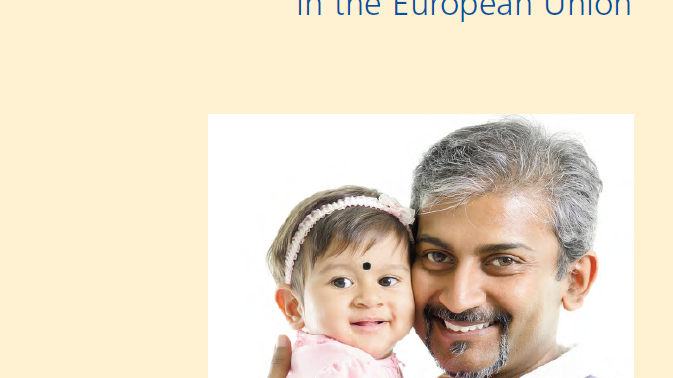
The take-up rate of parental and paternity leave among fathers has been increasing in most Member States but it still remains relatively low. Covering all the EU Member States and Norway, this report looks at the most recent trends in terms of take-up of parental and paternity leave, existing provisions and factors influencing take-up rates.
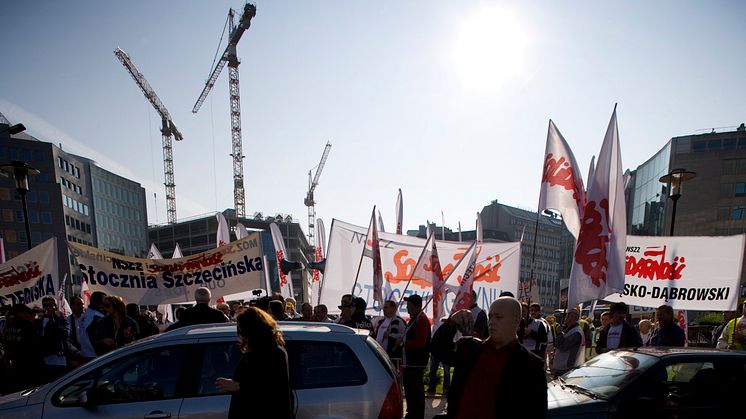
The global economic and financial crisis brought to an end an era of relative calm with regards to collective industrial action, and the highest incidence of industrial action was not surprisingly found in countries worst hit by the crisis. Wednesday 18 February is the international day of action in defence of the right to strike, initiated by the International Trade Union Confederation ITUC.
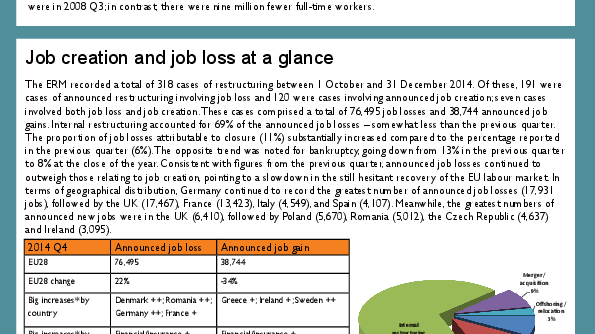
Dramatic recent oil price declines have seen deflation take hold in the EU, and general price levels in December 2014 were 0.2% lower than a year earlier. EU sanctions against Russia impact on reported restructuring job losses in Europe. This is further evidence of a tentative European economic recovery that appears to be running out of steam, the latest ERM Quarterly report.
The minimum wage levels have begun to increase over the past two years, following years of no change. The latest quarterly update from EurWORK presents the most recent data on statutory minimum wages in Europe, applicable on 1 January 2015, and an overview of the discussions leading to the final settlements made in 2014.
