15 years of EU membership and 80% of Slovaks feel European
As Slovakia tomorrow celebrates Slovak National Uprising Day, we mark the day by shining a spotlight on the ever-improving living and working conditions in Slovakia.
As Slovakia tomorrow celebrates Slovak National Uprising Day, we mark the day by shining a spotlight on the ever-improving living and working conditions in Slovakia.
This graph, based on Eurostat data, shows that gender is an important factor in depression. In most Member States young women aged 15–24 were more likely to suffer from depression than young men. The greatest gender gaps were in Denmark, Germany, Ireland and Sweden. Only in Cyprus, Greece and Lithuania were there higher percentages of young men with depressive symptoms.
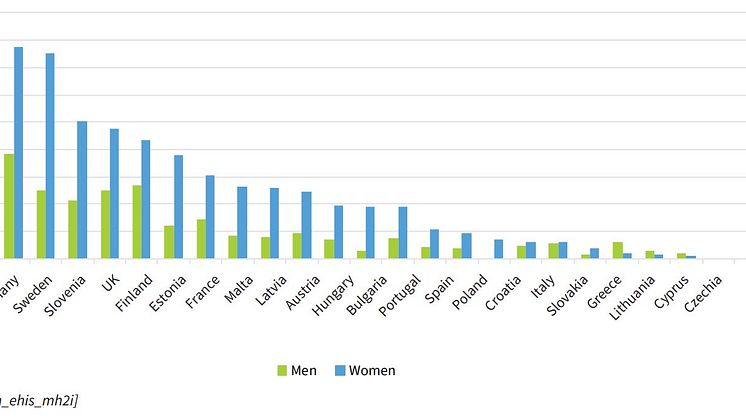
Across the EU, 14% of young adults are at risk of depression, and 4% of young people aged 15-24 suffer from chronic depression. Young women are more likely to find themselves not in employment, education or training, and are significantly more likely to suffer depressive symptoms than young men

There are high levels of optimism for the future in most EU candidate countries – including for future generations. However, current material hardships, deprivation, urban-rural disparities, gender inequalities and demographic ageing are fundamental challenges, and could undermine the current positive climate and future social cohesion.
The votes have been cast, tallied and declared and we can now see the political landscape of the new European Parliament. To what extent have mixed developments in employment and quality of life contributed to the more fractured political landscape? And can the EU continue to deliver to the more diverse demands of citizens across Europe?

As citizens across the EU prepare to cast their vote in the European elections, the latest Living and working in Europe report from Eurofound looks at how work and life has changed in the EU since 2015.
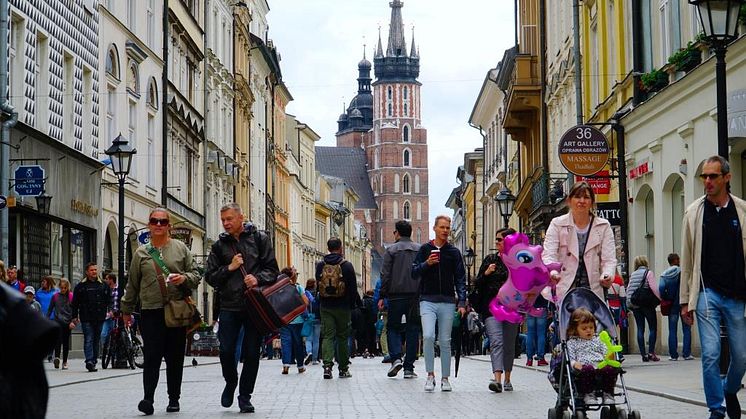
Imagine you’re at work and something happens: you have to leave to visit a client, you have to go home to let in the plumber, or you have to collect the kids from school as the football training has just been cancelled. If you’re lucky, your employer gives you the flexibility to do this. If you’re even luckier, it is YOU who decides upon your schedule and place of work.

Despite differences in economic structure, labour markets and development, a pioneering study of the working conditions and job quality of 1.2 billion workers finds common concerns and challenges across 41 countries and four continents, according to a new report from the International Labour Organization and Eurofound.

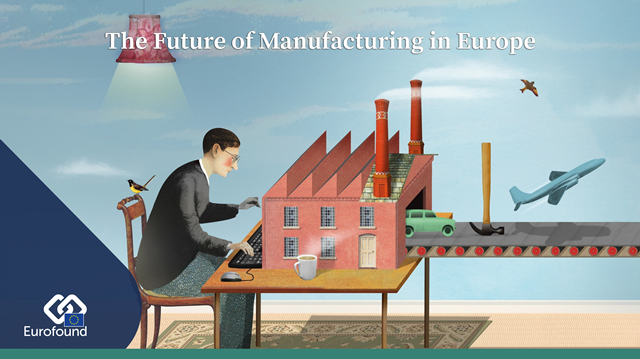
Manufacturing is set to be core to Europe’s future. More jobs will be created and growth will increase if certain economic and industrial changes are well managed over the coming years, according to new research from Eurofound.
This graph shows the projected impact of an immediate and significant increase in global trade tariffs on the GDP of each Member State in 2030, compared to a ‘no new tariffs’ baseline forecast.
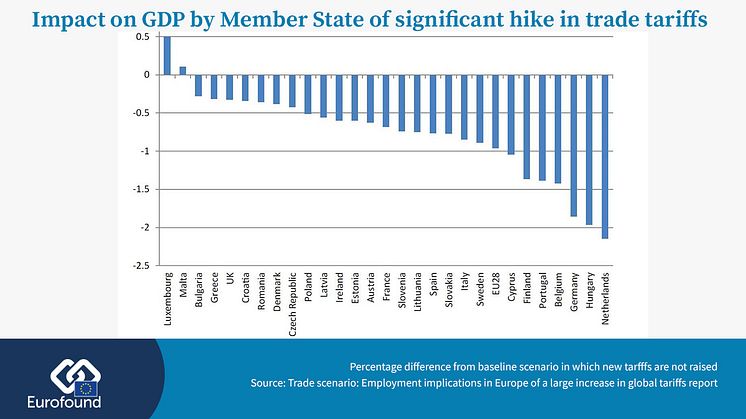
The EU, China, the US, Mexico and Canada, are projected to suffer economically from the re-emergence of economic protectionism, and a significant increase in trade tariffs. In the case of the EU, the bloc would experience a 1% contraction in GDP, a 0.3% lower rate of employment, and a 1.1% decrease in imports by 2030, compared to a ‘no new tariffs’ baseline scenario.

On 26 May 1975 the Council passed Regulation (EEC) No 1365/75 on the creation of a new Agency that would aim to contribute to the planning and establishment of better living and working conditions. Now, almost 44 years later, the Founding Regulation of Eurofound gets a 21st Century update.

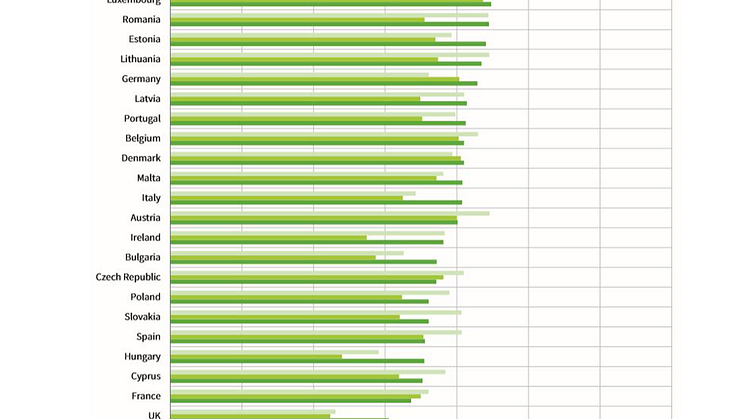
This graph, taken from Eurofound’s recent Societal change and trust in institutions report, and based on European Quality of Life Survey (EQLS) data, ranks countries in Europe according to their levels of trust in the media in 2016. It also gives levels of trust for 2007 and 2011.
We want to thank you for your support and wish you and your family a peaceful Christmas and a happy New Year.

Structural change is expected to move much faster in the Member States who joined the Union after 2004, and we forecast big changes in the occupational wage and task structure in these countries in the run up to 2030.

Europe is back on track towards upward convergence, but some outliers remain.
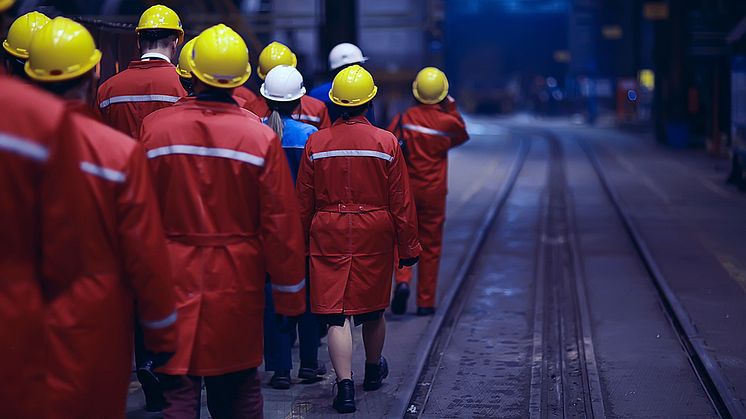
Overall trust in institutions such as national governments, the legal system, the EU, and the media has rebounded in Europe following the recent economic recovery. However, in a number of the Member States most adversely impacted by the crisis, trust in national institutions has still not returned to pre-crisis levels.
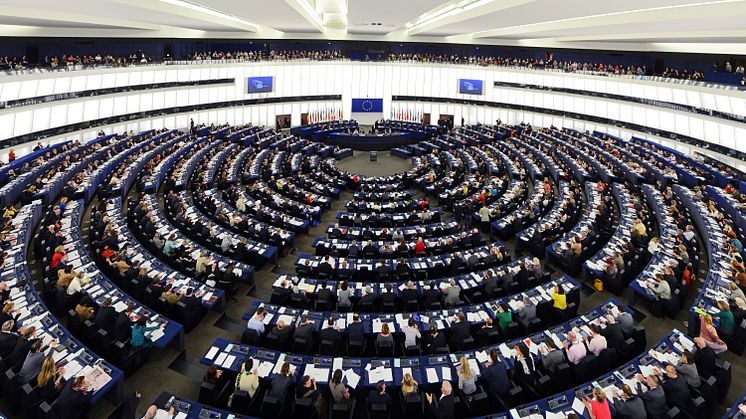
Quality of life is improving in Ireland, particularly in relation to social cohesion, with the country recording some of the highest levels optimism in the EU and lowest reported levels of tension between racial and ethnic groups. However, a number of challenges remain, notably in public transport, childcare services, and social housing – all of which are rated below EU averages.
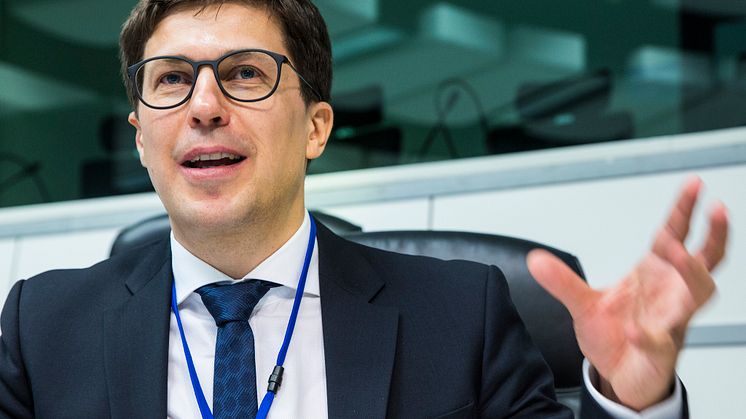
Eurofound Director Juan Menéndez-Valdés will present to the Oireachtas Joint Committee on EU Affairs at 14:00 GMT on Wednesday 12 December. The presentation will look at Ireland-specific data from the European Quality of Life Survey and European Working Conditions Survey.
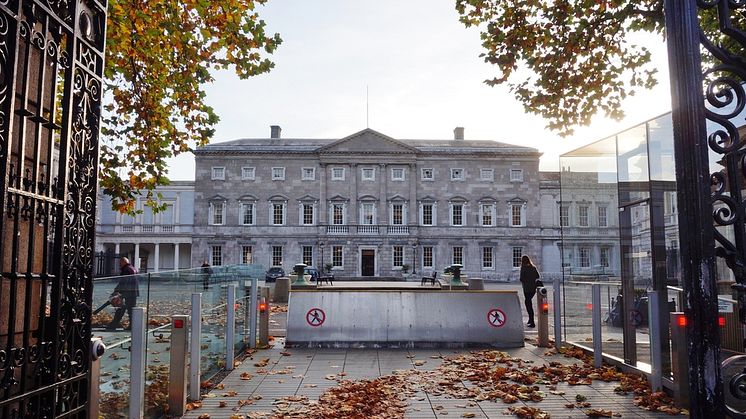
Platform work is neither good nor bad – it just is. We need to adapt to this reality by finding ways to capitalise on the positive while at the same time counteracting the negative. This needs to be done in a differentiated way, taking account of the great variety in platform work. One-size solutions simply will not fit all.