COVID-19 one year on: A changed Europe
The outbreak of COVID-19 in Europe may be moving gradually into history, but the long-term impacts of the pandemic on our work and lives is just beginning.

The outbreak of COVID-19 in Europe may be moving gradually into history, but the long-term impacts of the pandemic on our work and lives is just beginning.
Ireland and Denmark are the most socially optimistic countries in the EU, according to Eurofound's Social Optimism Index, a newly developed composite indicator which measures six variables of optimism among people in Europe.

Trust in Germany’s national government decreased from 5.7 to 4.3 between summer 2020 and spring 2021, according to Eurofound’s large-scale Living, working and COVID-19 online survey. This is the third largest decline compared to other EU countries, behind Austria and Cyprus.
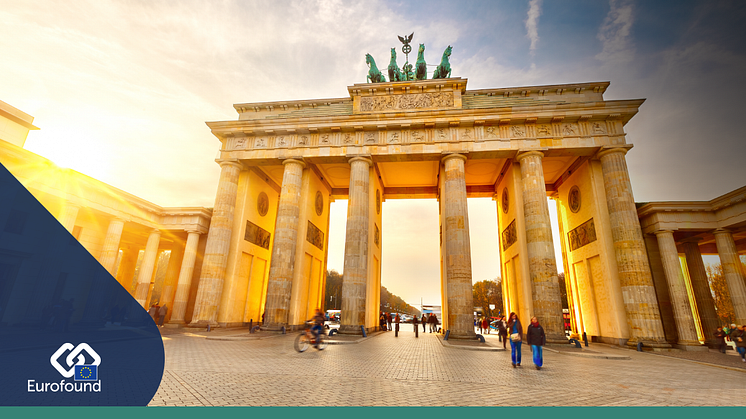
Das Vertrauen in die nationale Regierung Deutschlands ist zwischen Sommer 2020 und Frühjahr 2021 von 5,7 auf 4,3 gesunken. Das ist der drittgrößte Rückgang im EU-Vergleich, nach Österreich und Zypern.
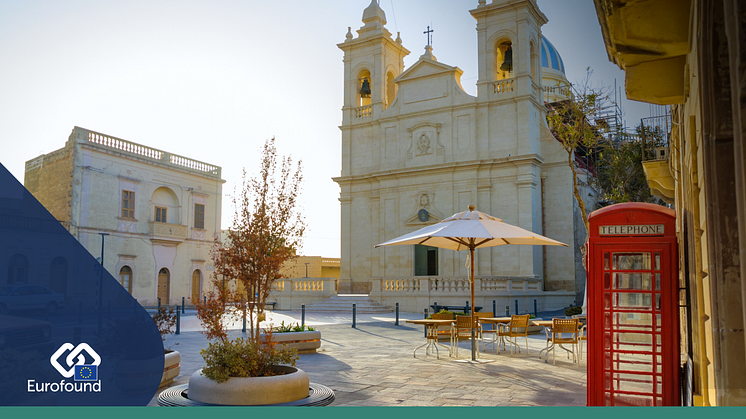
Malta has the third highest degree of social optimism across the EU. According to the Social Optimism Index, developed by Eurofound, the country scores 0.424, just behind Ireland and Denmark (0.687 and 0.582 respectively), whereas Greece and France (-0.650 and -0.262) can be found on the opposite side of the Index.
Social optimism refers to a general expectation that social issues will turn out
Citizens who feel their voice counts are not only more optimistic about their own future, but also about broader society and the institutions that govern their lives.

Eurofound’s Directorate met with Thomas Byrne T.D., Minister of State with responsibility for EU Affairs, in Dublin today to discuss the evolving role of the Agency in producing timely and relevant research on the implications of the COVID-19 pandemic on employment, the labour market and quality of life, as well as its strategic position as the only EU agency based in Ireland.
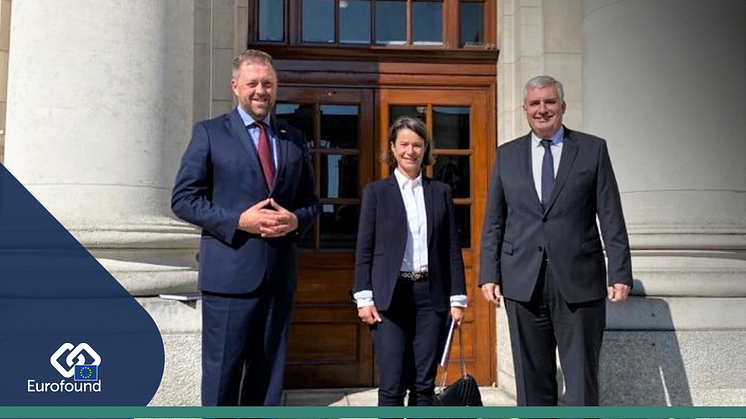
As Europe moves to the final stages of its initial vaccination programme, workers are now returning to offices and other places of work, and citizens in general are reengaging into the community. Eurofound will be releasing important new research this autumn investigating how COVID-19 has impacted our lives and what these changes mean for Europe.

More than 9 out of 10 establishments with 10 or more employees in Slovakia report difficulties in finding suitable candidates for open positions, according to a recent Eurofound report on ‘Tackling labour shortages in EU Member States’. This is the highest proportion in the EU, followed by Romania (90%) and Malta (88%), while rates are lowest in Denmark and Greece (both 57%).

In spring 2021, around 5% of people in Belgium, who had been employed before the pandemic, reported having lost their job. Compared to the EU average of 10%, Belgium fares comparatively well, with only neighbouring Luxembourg and the Netherlands reporting lower figures, according to Eurofound’s large-scale Living, working and COVID-19 online survey.

Following the declines in employment rates and working hours across Europe in 2020,i economies began to show signs of recovery during the first quarter of 2021. The gradual rekindling of economic activity has led to a surge in demand for workers and reawakened concerns over labour shortages.

The social and economic impacts of the COVID-19 crisis threaten to roll back recent progress in gender equality, including an overall trend of upward convergence.
Achieving climate-neutral objectives established at European and international levels, such as in the UN Sustainable Development Goals and the European Green Deal, needs broad-based support and cross-departmental policy development at national, regional and local levels.

Slovenians have fared comparatively well in terms of mental health during the COVID-19 pandemic compared to their EU counterparts standing at 53.2 on a scale of 100, behind only Denmark and Finland. According to Eurofound’s large-scale Living, working and COVID-19 online survey, the EU average was 45.3 in spring 2021.
74% of people in Croatia report difficulties making ends meet, according to Eurofound’s large-scale Living, working and COVID-19 online survey. This is the highest figure among EU Member States, where the average was 45.1%. For Croatia, this number remained consistently high throughout the pandemic at 73.5% in April 2020 reporting a difficult personal financial situation.
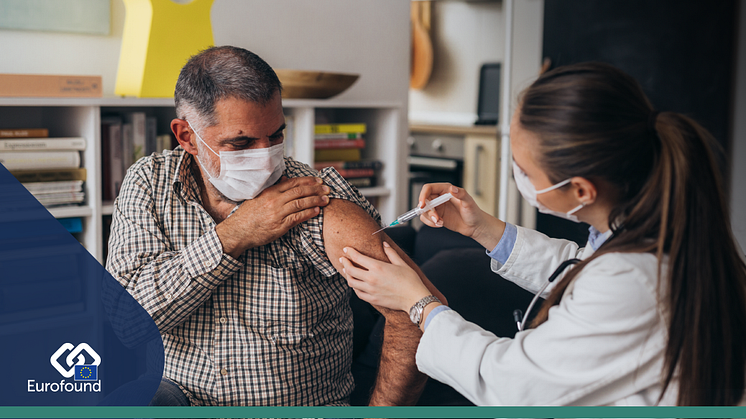
Vaccine acceptance is key to the success of COVID-19 vaccination campaigns worldwide. Worryingly, over a quarter of people living in Europe are hesitant about taking a COVID-19 vaccine, and the level of hesitancy is especially high among heavy users of social media.
With its proposed directive on gender pay transparency, the European Commission has significantly bolstered the set of tools for delivering its objectives compared to those presented in its 2014 Recommendation. The proposed portfolio of measures addresses many shortcomings of the instruments that national authorities currently employ.

The trust of people in Portugal in the European Union is the highest across all Member States, according to Eurofound’s large-scale Living, working and COVID-19 survey. With 5.9, it is significantly higher than the EU average at 4.6. Trust in the EU in Portugal has increased throughout the COVID-19 pandemic from 5.2 in April 2020 to 5.4 during the summer of last year to 5.9 in spring 2021.

Throughout the COVID-19 pandemic, trust of people in Sweden in their national government has declined from 6.4 to 5.1. Respondents rated their trust levels at the onset of the pandemic (data collection April 2020) at 6.4 on average, which decreased to 5.5 during the summer months of last year and then to 5.1 in February and March of this year.
Trust in the national government in Denmark ranked highest among EU countries at 7 out of 10, according to Eurofound’s large-scale Living, working and COVID-19 online survey. This marked an increase of 0.5 points compared to the summer of last year. This pattern goes against the trend observed in all other EU Member States, where the average trust rating fell to just 3.9 from 4.6.