Blog post —
Developing an Autonomous Control System for BRIZO’s Tension Buoy: From the Classroom to Real-World Technology Development
What happens when a student is given the challenge of developing a critical component of a real technology project?
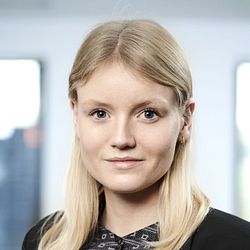
For Håkon Nymoen Winberg, a master's student in Cybernetics and Robotics at NTNU, it meant spending the summer developing the control system for an autonomous tension buoy for BRIZO, our floating solar technology. The project combined electronics, software development, and systems engineering, while giving him the opportunity to contribute directly to a technology that will be tested in a real-world environment.
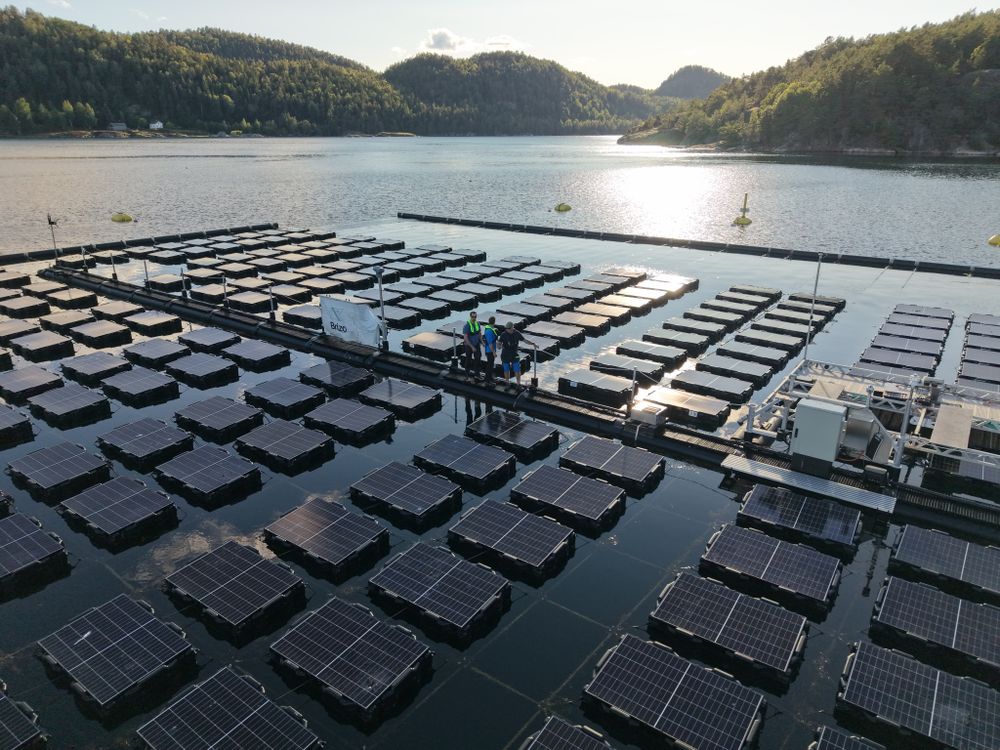
As Even Hjetland, Principal Development Engineer, explains:
"Håkon brought knowledge and capabilities that strengthened our development team. He took responsibility for developing the control system and communication software for the autonomous tension buoy, allowing us to accelerate work on a technology that will soon be tested in both Norway and Portugal."
As a master’s student specializing in autonomous systems, Håkon was tasked with developing the control system for the autonomous tension buoy. While the project objectives were clearly defined, he was encouraged to take ownership of the implementation, drawing on expertise from his studies while working closely with our engineering team. Throughout the project, he had the freedom to explore solutions and make technical decisions, with support and guidance available whenever needed.
"I was free to do it how I wanted, and I could ask whenever I had a question. I really appreciated that."
Building an autonomous system
The project involved more than assembling hardware components. A significant part of the work was developing the software and control logic that enables the system to operate autonomously.
Håkon spent several weeks developing the embedded software that serves as the brain of the system. Using an Arduino Nano ESP32 microcontroller, he programmed the control system to receive data wirelessly and automatically determine when and how much chain should be winched in or out.
The challenge was not only making the system function but also ensuring that it could respond safely to changing operating conditions.
" When designing an autonomous system, safety is perhaps the biggest and most important part."
Another important design requirement was flexibility. The system was built using a modular approach, making it easier to adapt, expand, and improve as new insights emerge during testing and deployment.
Learning through real engineering challenges
One of the most rewarding aspects of the internship was working with technologies he had never used before.
Long-distance wireless communication became one of the project's biggest technical challenges and a valuable learning opportunity. With support from colleagues across the organization, including discussions with IT specialists and guidance from the engineering team, Håkon was able to develop a working solution and deepen his understanding of the technology.
The experience highlighted the collaborative nature of innovation.
“Whenever I ran into a challenge, the team immediately started thinking about possible solutions. They did not always have an answer right away, but often came back later with valuable ideas and perspectives.”
Working alongside colleagues such as Even and the wider engineering team gave him valuable insight into how experienced engineers approach complex challenges in practice.
Seeing theory become reality
For Håkon, one of the biggest differences between university studies and industry was the ability to work with something tangible.
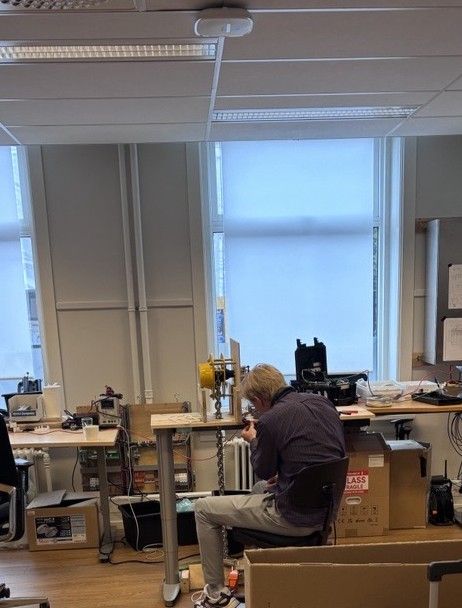
Instead of simulating systems on a computer, he could see the physical results of his work in the office workshop and verify that the system behaved as intended.
"Having a physical system where I can actually see that it works was really inspiring and motivating."
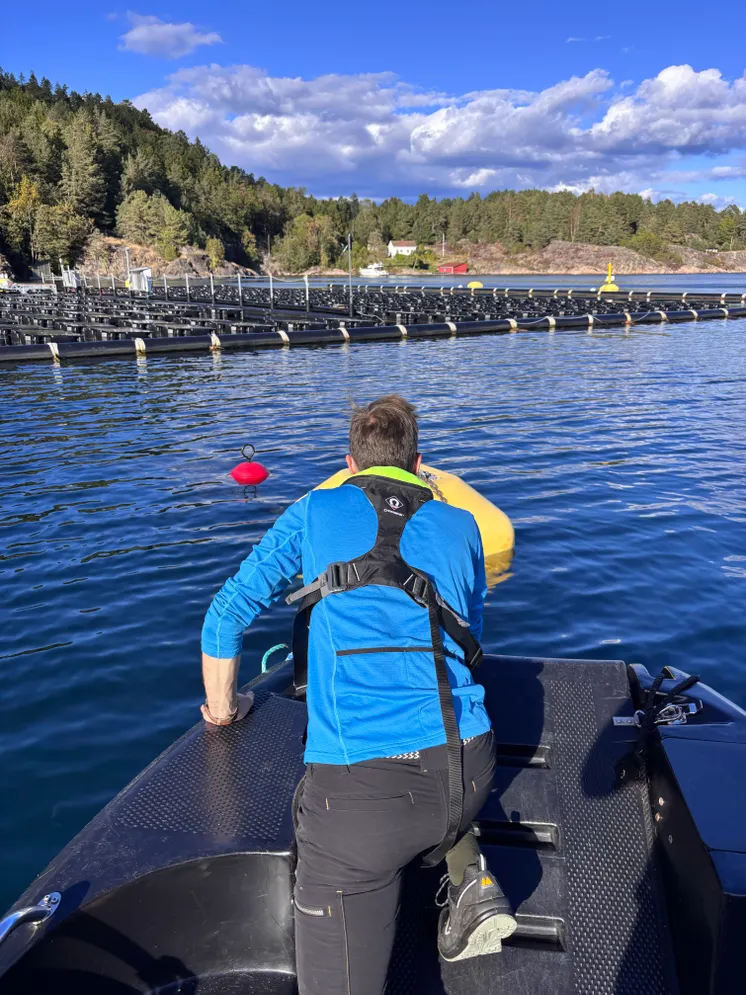
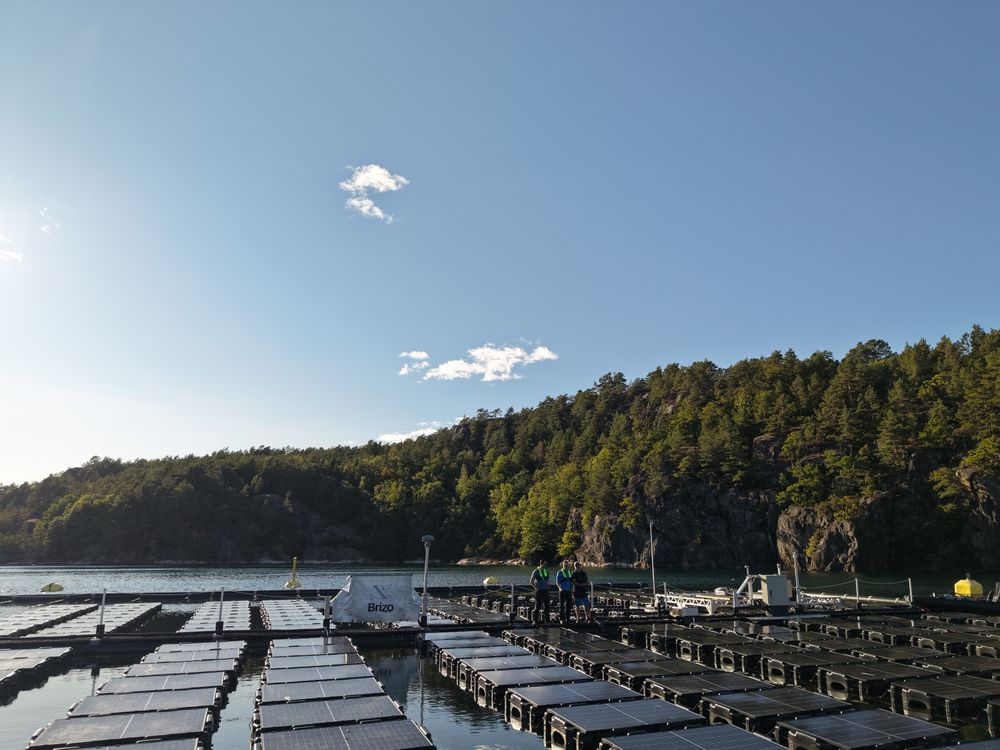
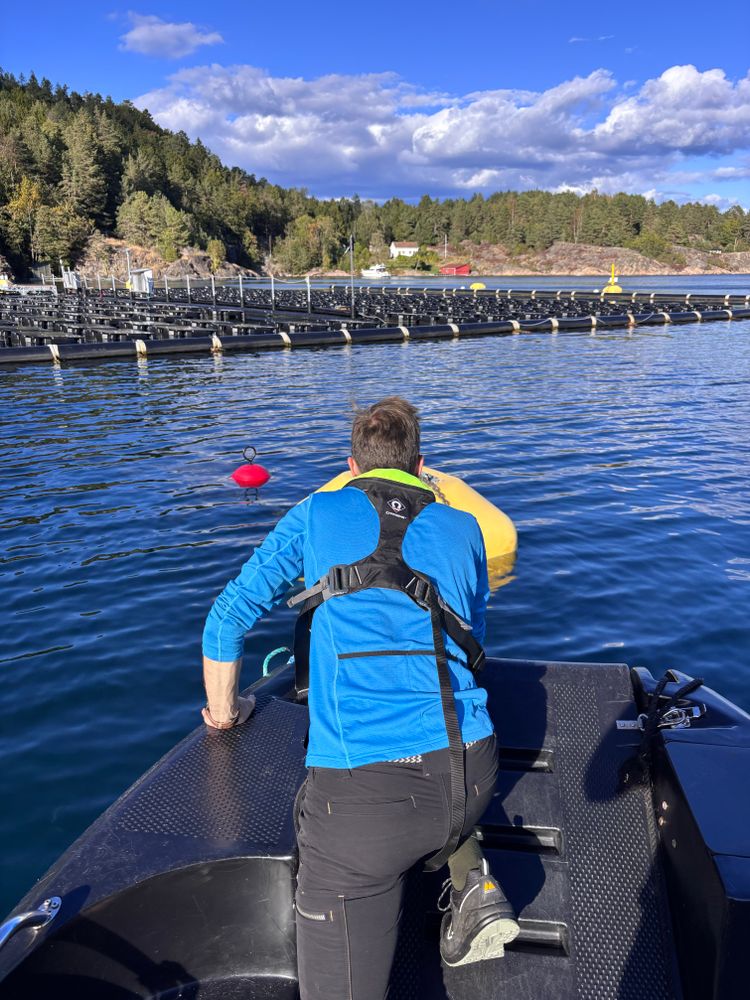
The internship kicked off with a site visit to the Brizo pilot installation at Ramskjær, close to Risør, where the control system will eventually be installed. Spending a full day with the site manager gave invaluable context to the task at hand. Knowing the technology would eventually be deployed outside the laboratory added a sense of responsibility and purpose.
Supporting the Development of Emerging Technologies
The internship provided Håkon with the opportunity to contribute to a real technology development project while gaining exposure to the engineering processes behind innovative renewable energy solutions.
His involvement has continued beyond the summer, allowing him to support further development of the autonomous tension buoy while completing his studies. This continuity reflects both the long-term nature of technology development and the value of integrating student expertise into ongoing engineering projects.
“I’ve become quite attached to the project after being so closely involved in its development. I’m very happy that I can continue to be part of it”
A win-win experience
Reflecting on the summer, Håkon sees the experience as beneficial for both sides.
He gained practical engineering experience, new technical skills and valuable insight into technology development. Fred. Olsen 1848 gained access to specialized expertise in autonomous systems and embedded programming, helping move an important development project forward.
As he summarizes it:
"It was inspiring. I learned a lot and met so many knowledgeable people. It was really inspiring to see how people apply all their knowledge. I definitely found a passion for technology development throughout the summer."
The next step is to deploy and test the autonomous tension buoy control system under real-world conditions. The technology will be integrated at our BRIZO pilot in Risør as well as at our tension buoy testbed in Portugal. While Håkon has returned to his studies, he remains actively involved in the project as a consultant, further developing the control system and supporting the deployments as testing and further development continue.