Press release —
Buying a retirement community apartment for a parent? Read this first
With more elderly parents and their children considering some form of assisted living, what are the key points to be aware of before committing?
Ageing population
In the last decade the population of people aged 75 and over in the UK has grown significantly, increasing by around 21%. Long-term census comparisons show an 84% surge in England since 1981 to encompass over 5 million people, or about 9% of the population. We are living longer, and often we need more help as we do.
In more traditional times our extended family lived on the same street, or in the same village. We had more support on hand as families looked after their own, and (living less years after retirement) we didn't need as much of it.

These days it is not uncommon for offspring to live in a different town, a different part of the country or a different country altogether than their parents.
Help and independence
Many people do make the effort to care for elderly loved ones, perhaps choosing to live nearby, or sometimes moving a parent into their home to give closer attention. However this rarely works out ideally for anyone involved. The younger parties can find themselves overwhelmed and the parent can feel like they are a burden, or that they no longer have autonomy over their lives.
The commercially available compromise of living in a retirement community property ticks a lot of boxes for a lot of people. The older person retains independence over everyday life choices in a way that nursing or care homes simply can't accommodate. But help is there when needed, and at differently priced levels to suit the individual.

One thing most of us do learn as we get older is that when something seems too good to be true, it often is.
Here is a guide to what to consider carefully when deciding whether to buy an apartment in a retirement community.
Is it the right time to move?
Buying any property is expensive and moving house is acknowledged to be one of the most stressful things we can do in life. Retirement community property purchases can be even more complex. This choice is not just about the property itself and its suitability.
Make sure the individual actually wants to move. Perhaps they are used to their house, have a good relationship with their neighbours and enjoy the familiarity of their surroundings.
If so, could adapting their existing home be a better option? Floors can be made more forgiving to falls, sharp edges can be rounded and there are many devices to help people climb stairs or get in and out of baths.

Ongoing costs in retirement communities can be high. Perhaps that money could be better spent on hiring help for household jobs and professional care in the current home.
Know exactly what you are buying
Not all retirement community properties are the same. While there are firms who sell freehold properties, the two largest developers (McCarthy Stone and Churchill Living) sell leasehold. With leaseholds the questions you need absolute clarity on are: How many years are left on the lease? What is the current annual service charge, and how has it changed over the last five years? Is there any ground rent, and how much is it? Is there a reserve (sinking) fund? Are there administration fees when selling. Are there restrictions on subletting or occupancy? Who manages the development, and can residents influence management decisions?
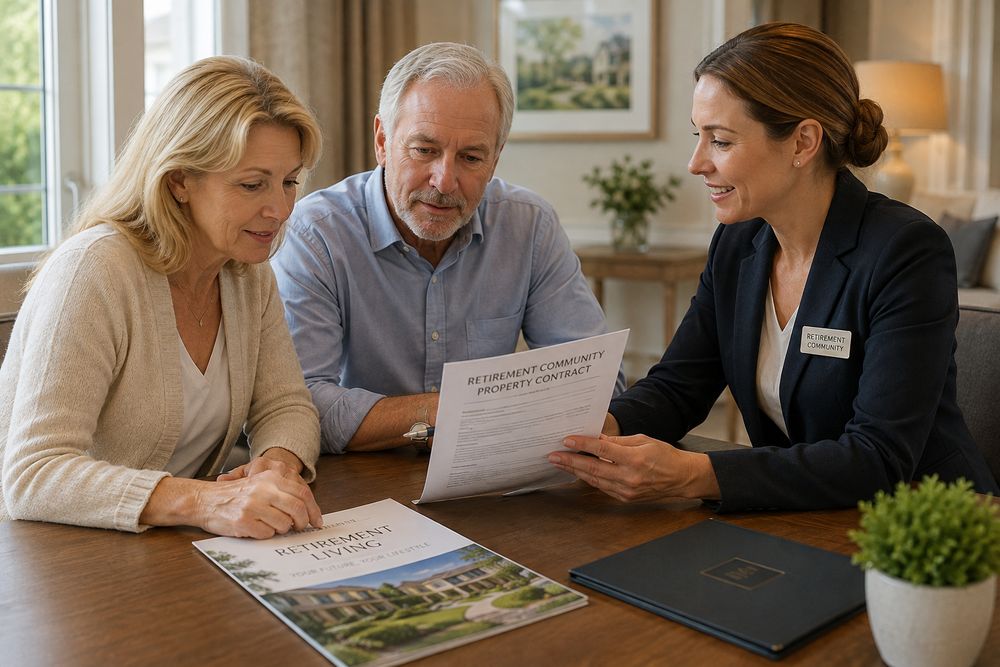
There are other crucial details you need to know that affect not just the occupant, but also the offspring when they inherit the property in the future. What are the age restrictions on people living in the unit? Are there other occupancy rules, such as restrictions on guests or family coming to stay?
Familiarising yourself with the legal basis of ownership can help you avoid unpleasant surprises later.
Look beyond the purchase price
The purchase price is only part of the overall cost. As well as the costs already mentioned in previous paragraphs there may be others: do you have to pay buildings insurance, for example?
A notorious expense associated with retirement communities is the potential depreciation in value, yet many buyers focus solely on moving in without considering how they'll eventually move out.
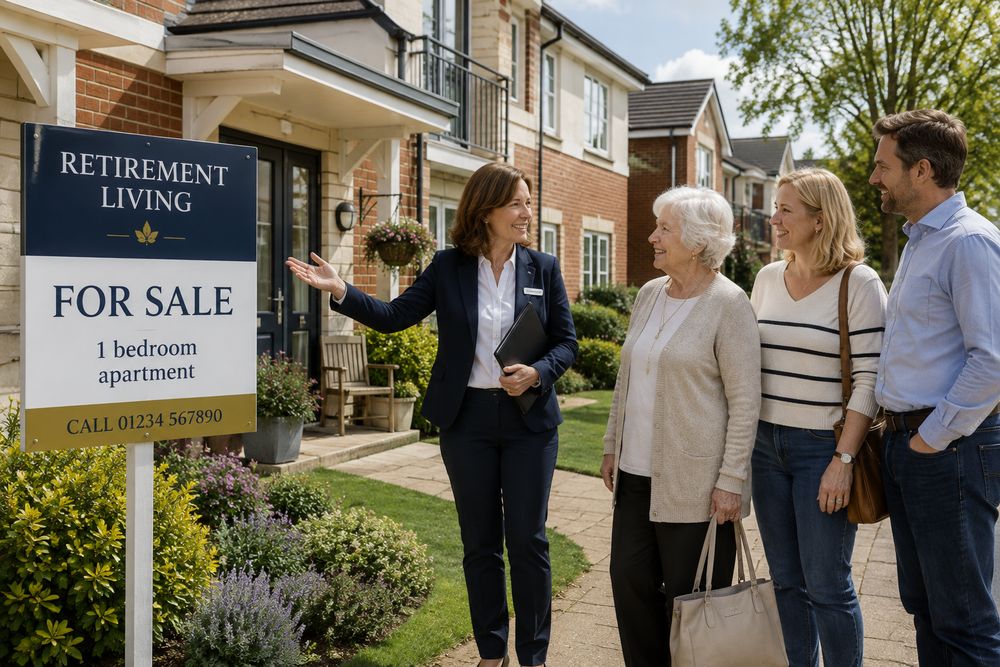
Important questions to ask are: How long do properties typically remain on the market before selling? Are there resale restrictions such as the age of the buyers? Can you choose your own estate agent? Is management approval of new buyers required? And are there administration or transfer fees?
Speak to existing residents
The best source of information is the people already living there, and where possible their sons and daughters. Even if the sales agent is with you when you are looking around, never be embarrassed to ask other residents about their impressions and experiences living in the community. If possible, ask the agent if you can look around on your own so that you can ask residents in confidence.

Ask them if they are happy, both now and with the decision they made to buy there. See if the running costs have increased at the level they were expecting. Find out if management are responsive to any complaints or problems.
If they could go back in time, would they make the same decision to buy this property?
Consider the long term picture
This is a huge financial investment for a person in their twilight years, as such it is vital to consider what would happen if circumstances change.
What happens if your parent becomes unable to live independently, possibly needing more attentive residential care than this community can provide?
You or they may prefer that they live closer to your family.

One day they will pass away. That is something we all know about our parents, and most of us prefer to avoid thinking about directly. But being prepared will alleviate some of the stress involved with that unwelcome event. For example will you need to continue paying the ongoing costs or the retirement property (often £1000 - £2000 a month) until the unit can be sold?
Understanding these possibilities before purchasing can help families plan with greater confidence.
Never feel pressured into deciding
Buying a retirement property is a major life decision. The salesperson might want a swift answer, but this is too important to allow yourself to be rushed.

Take the time you that need to make the best choice:
- Visit more than once.
- Compare different developments.
- Review all paperwork at home.
- Seek independent advice if needed.
A reputable seller should never begrudge prospective buyers taking take time all the time they need before making such an important commitment.
Expert comment
Greg Wilson is a retirement community property consumer expert and CEO of European Consumer Claims, the firm challenging errant developers on behalf of mis-sold clients.

Greg is confident retirement community properties will have an increasing role to play as our population ages, but cautions that the financial, physical and mental welfare of our vulnerable elderly must be safeguarded.
"A retirement apartment can be the right choice for many people, offering community, convenience and peace of mind," advises Greg. "However, every development is different, and taking the time to understand the costs, contractual terms and practical implications can help families make a decision that suits both their current circumstances and future needs.
"The UK is lagging behind other western nations in embracing this kind of lifestyle care, with only 1% of our elderly choosing to live in retirement villages. In countries like the USA, Australia and New Zealand 5-6% of senior citizens live happily in these communities.
"We don't understand empirically the exact reasons why five times as many older people in other countries make this choice, but there are indications that trust in the financial aspects of the arrangement is often a key issue."
If you feel you have been mis-sold or unfairly treated by a retirement community development, get in touch with our team for expert advice on your options.

Related links
- Our Ageing Population | The State of Ageing
- European Consumer Claims (ECC)
- Greg Wilson: Consumer authority
- Things to Consider Before Having an Elderly Parent Move In with You
- Spiralling Retirement Community Property fees force sale of flat for just £1
- ECC contact page
- How to Age-Proof Your Home
- Retirement home nightmare: Who can a full time worker trust with their elderly relatives' wellbeing?
- UK's most powerful retirement community property developers conspicuously absent from ARCO roster
- Leading claims firm targets justice for Brits who lost life savings buying retirement community properties
- Retirement community consumer abuse epidemic wiping out life savings across Britain
- Urgent calls to regulate the UK retirement community industry
Topics
Categories
Regions
ECC provides claims services, relinquishments expert advice and help
E: (for media enquiries): mark.jobling@ecc-eu.com
T: (for media enquiries): +44 2039962044
E: (for client enquiries) EUROPE: info@ecc-eu.com USA: info@americanconsumerclaims.com
T: EUROPE: +44 203 7699 164.
T: USA: +1-888 207 6456/+1 332 251 7157
Monday to Friday: UK timings: 9am-8pm. Saturday/Sunday closed. USA 9am -8pm EST. Saturday/Sunday closed
Follow European Consumer Claims on Facebook: here. American Consumer Claims: here
Follow European Consumer Claims on Twitter: here. American Consumer Claims: here
Relevant websites for this article
www.holidayparkadvicecentre.co.uk
www.americanconsumerclaims.com
www.retirementpropertyadvicecentre.co.uk
www.timeshareadvicecentre.co.uk
|
Download the ECC App to access these cool features:
|
CLICK HERE to download the ECC app for your smartphone