Press release —
New dementia risk tool designed for the countries that need it most
An international team led by Northumbria University has developed and validated a simple five-factor risk score to identify older people at elevated risk of dementia in low- and middle-income countries (LMICs) - where around 60% of the world's dementia cases now occur.
More people living with dementia are in these countries than anywhere else, yet almost none of the tools used to predict who is at risk were built for them. A Northumbria-led international research team has set out to close that gap with a new risk score, built from five everyday factors, designed specifically for LMICs.
The study, published in the American Journal of Epidemiology, was funded by the National Institute for Health and Care Research (NIHR) using UK international development funding from the UK Government to support global health research, with additional support from Dementia Australia.
Dementia affects more than 57 million people worldwide, and around 60% of those people live in LMICs across Latin America, the Caribbean, Asia and Africa. Existing prediction tools were developed using data from high-income countries (HIC) and have been shown to transfer poorly to other settings, leaving researchers in LMICs without a reliable way to identify who is at higher risk.
Using data from more than 11,000 older adults across seven countries and three continents, the team built and validated a model that can be applied using information gathered through a straightforward conversation - no blood tests, brain scans or specialist equipment required.
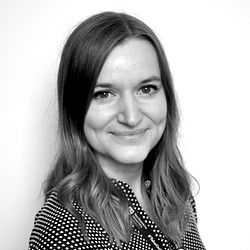
Dr Eduwin Pakpahan, from Northumbria University's Applied Statistics and Data Science Research Group, said: “We know the burden of dementia is shifting towards lower-income parts of the world, yet the prediction models clinicians and researchers rely on were designed with wealthier populations in mind. This model is a step towards changing that. It is simple, it is built for the settings where it is needed most, and it gives researchers a practical way to find the people who should be the focus of future studies and trials.”
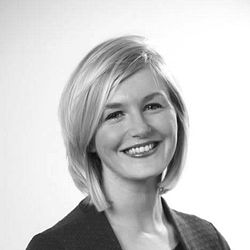
Professor Blossom Stephan, Chair in Dementia at Curtin University, in Perth, Australia, and a guarantor of the study, said: “This study offers a valuable foundation for more inclusive dementia prevention research. With further validation across diverse regions, the score could help shape approaches that better reflect the needs of local communities.”
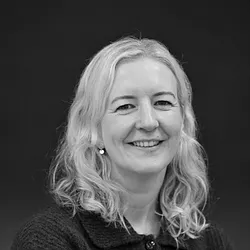
Professor Dame Louise Robinson, Professor of Primary Care and Ageing at Newcastle University, who led the NIHR-funded programme behind the study, said: “Dementia is rising fastest in low- and middle-income countries, but the tools we use to understand risk have largely come from wealthier ones. I’m delighted that this NIHR-funded work helps close that gap, and grateful to colleagues across the 10/66 Dementia Research Group network who made it possible.”
How the risk score works:
The score is built from five factors, each assessable through a simple conversation with an older adult and, where relevant, a family member or carer:
- Age - the strongest single predictor. Risk rises meaningfully from 70 and more steeply from 80 onwards.
- Social engagement - whether a person is married or living with others, how often they see friends or family, and whether they take part in community or religious groups.
- Physical activity - how active a person is day-to-day, across both work and leisure. Everyday movement such as farming, walking to market or household tasks still counts.
- High blood pressure - uncontrolled hypertension damages the blood vessels supplying the brain over time. It is common, often undiagnosed in lower-income settings, and inexpensive to manage.
- Difficulty managing money - assessed by asking a family member or carer whether there has been a noticeable change in the person's ability to handle finances, often one of the earliest everyday signs of cognitive change.
Each factor contributes points towards a total score of between 0 and 9. A person scoring 0 has around a 1% chance of developing dementia within three years; someone scoring 9 has a nearly 19% chance.
The model was built and tested across seven sites in China, Cuba, the Dominican Republic, Puerto Rico, Venezuela, Mexico and Peru, achieving an accuracy score of 0.75 - above the 0.70 threshold generally regarded as clinically useful.
The researchers are clear about the tool's primary purpose: it is designed for research, giving studies and clinical trials a practical, low-cost way to identify and recruit people at higher risk of dementia in settings where such tools have been lacking, rather than as a routine screening test for the general population.
The team is also calling for the model to be validated in regions not yet covered by the study, particularly South Asia, the Middle East and North Africa, and Sub-Saharan Africa.
Topics
Categories
Regions
UNIVERSITY OF THE YEAR (Times Higher Education Awards, 2022)
RESEARCH UNIVERSITY OF THE YEAR (Daily Mail University Guide, 2024)
MODERN UNIVERSITY OF THE YEAR (Daily Mail University Guide, 2024 and The Times and Sunday Times Good University Guide, 2025).
Northumbria is a research-intensive university that unlocks potential for all, changing lives regionally, nationally and internationally.
Two thirds of Northumbria's undergraduate students come from the North East region and go into employment in the region when they graduate, demonstrating Northumbria's significant contribution to social mobility and levelling up in the North East of England.
Find out more at www.northumbria.ac.uk
--- Contact media.communications@northumbria.ac.uk with any media enquiries or interview requests ---