LiFi research to revolutionise data downloads
A new form of high speed wireless internet, which uses the lights in homes and offices to transmit data, could revolutionise the way we download and upload information in the future.

A new form of high speed wireless internet, which uses the lights in homes and offices to transmit data, could revolutionise the way we download and upload information in the future.
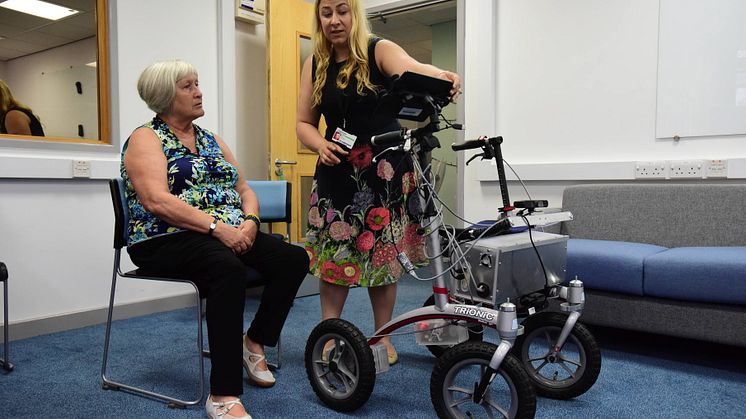
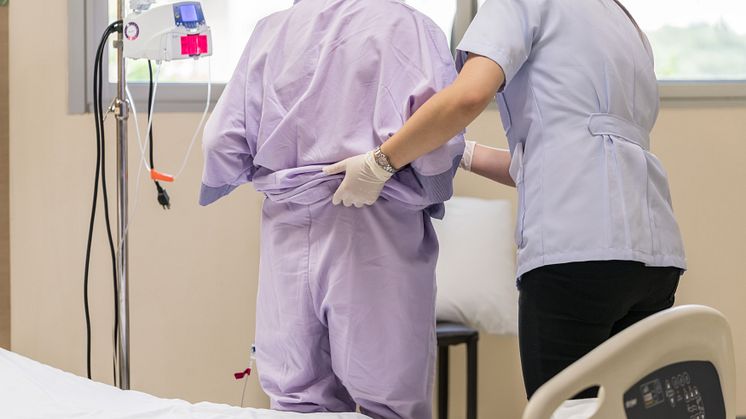
A robotic walking frame that could help older people recover more quickly after a fall or injury, reducing the length of time they need to stay in hospital, is being developed in partnership with researchers at Northumbria University, Newcastle.
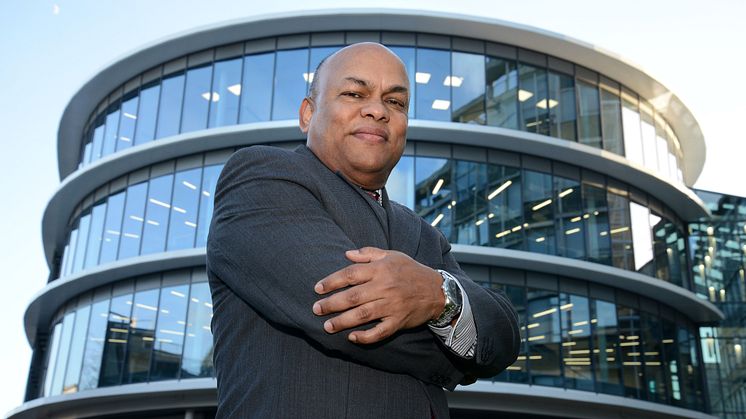
Experts from around the world will visit Northumbria University, Newcastle next month to discuss how the creation of a Pan-African digital library could transform the lives of people living across the continent.
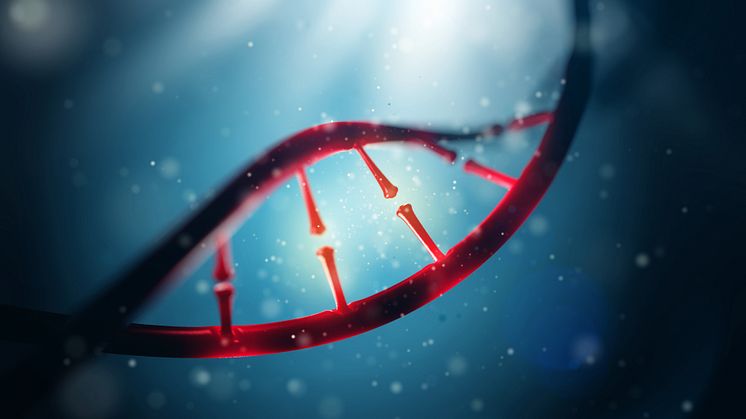
Research carried out by academics at Northumbria University, Newcastle could lead to improvements in treating patients with diseases caused by mutations in genes, such as cancer, cystic fibrosis and potentially up to 6,000 other inherited conditions.
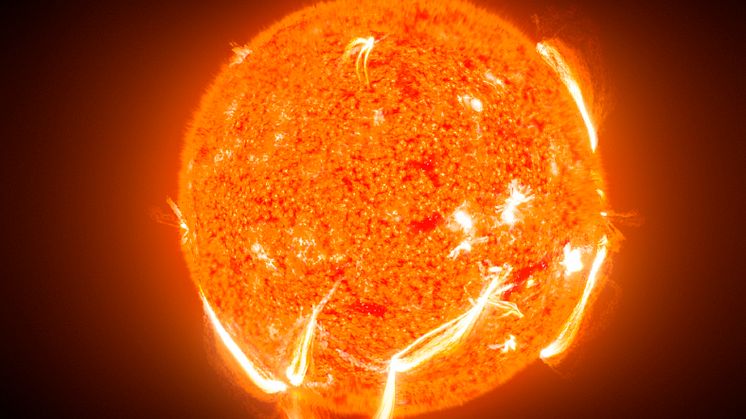
Researchers at Northumbria are helping increase understanding of the spectacular space phenomenon known as solar flares and their potential impact on the Earth.
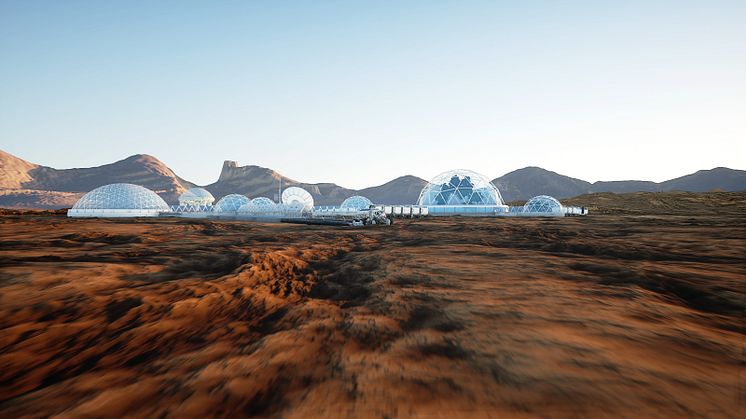
A prototype engine based on a solid-to-vapour transformation, which could be used for harvesting energy on the surface of Mars and other extreme environments, is being developed by scientists at Northumbria University.
Large-scale study looks at tiredness and its associations with environment, genes, and mental and physical health.

A national research trial has been launched to see if patients can benefit from a structured exercise programme before and after major abdominal surgery for colorectal cancer, also known as bowel cancer.
Professor Catherine Exley has joined Northumbria as Associate Pro Vice-Chancellor for Research and Innovation in Health and Life Sciences.

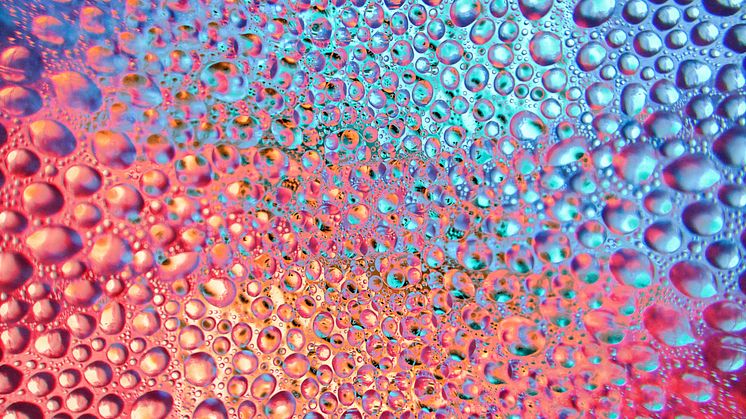
Rodrigo Ledesma Aguilar, Senior Lecturer in Physics and Electrical Engineering at Northumbria, writes about a new state of matter for The Conversation.
How would you like a kitchen surface that cleans itself? Technological advances such as this could be one step closer after a breakthrough by Northumbria University and Nottingham Trent University.
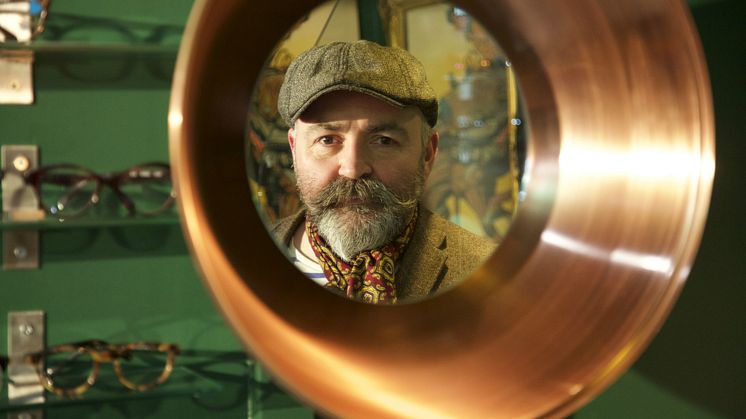
Have you ever looked into a mirror and wondered what happened to your fourteen year-old self?
A ‘Little Ice Age’ which caused severe winters in the 17th Century could return in five years’ time due to a predicted fall in solar activity.