Skip to content

News archive

  • Bristol cyclist braved rattlesnakes for the Stroke Association

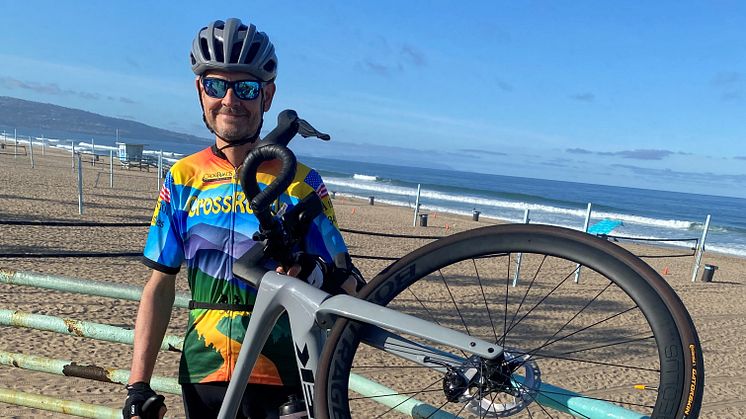
    A Bristol man braved desert heat, hypothermia and an attack by an angry rattlesnake on a coast-to-coast cycle ride across the USA.
    Simon Galpin, 55, from Kingswood, raised almost £3,500 for the Stroke Association, a charity which helps people rebuild their lives after stroke.
    Simon, an engineer with Airbus at Filton, cycled 3,400 miles in seven weeks, crossing 16 states, deserts, mountains,
  • My volunteering experience

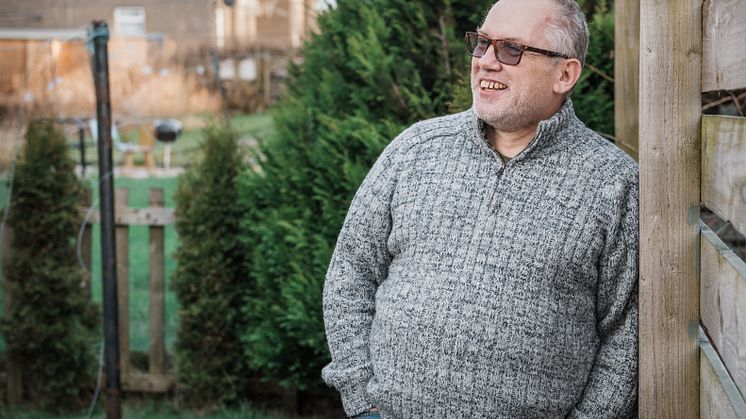
    My name is Tom. I had my stroke seven years ago.
    I couldn't talk properly, I couldn't remember the day before, remember previous days. It was like waking up to nothing.
    I was working as a chef at the time and returning to work was tough. The kitchen was too busy...and noisy...and because of my aphasia, responding to orders being given quickly was very challenging. I had to give up my job be

  • A devastated family wants a review of medical advice on strokes to raise awareness of less well-known symptoms.

    Tony Bundy died from a stroke in June after his condition was not picked up using routine tests. The most-known symptoms such as a drooping face, arm weakness and difficulty speaking were not there.
    Now the Bundys, from Tullibody, Clackmannanshire, want to make more people aware of other signs to stop their tragedy happening to others.
    He couldn't stand up," said Tony’s wife Selena. "He cou

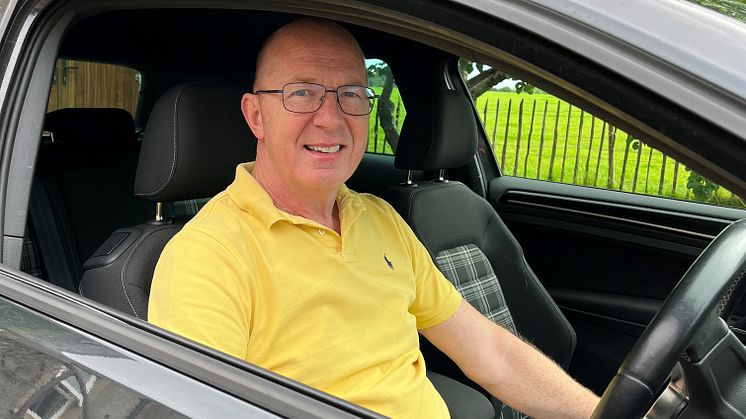
  • Little-known rule offers hope of driving for stroke survivors who lose peripheral vision

    Jeremy Johnston was devastated when hemianopia – the loss of peripheral vision after his stroke – meant that he was no longer able to drive.
    For four years he had to accept this, but thanks to twitter exchanges with former Australian rugby captain Michael Lynagh and a Liverpool University orthoptist, then a chance encounter with a stroke specialist in a Bulgarian ski resort, he’s back behind t

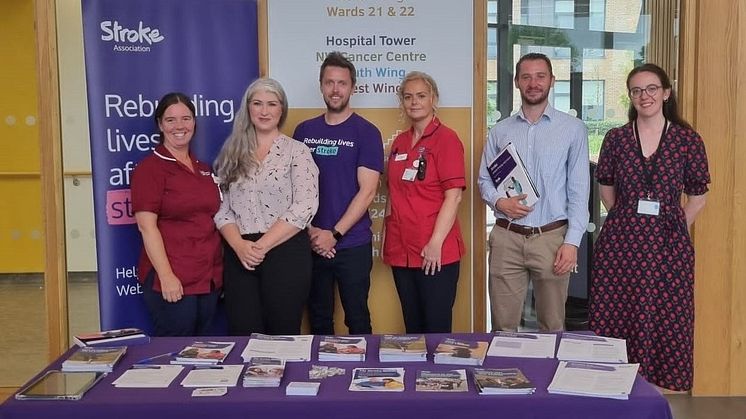
  • Altnagelvin Hospital patients now better informed about rebuilding their life after stroke

    Stroke patients and their families at Altnagelvin Hospital now have access to a wide range of essential information to help them rebuild their lives, thanks to an initiative by the Stroke Association and Western Health and Social Care Trust.
    Stroke changes lives in a moment and can leave stroke survivors and their families frightened and confused about how they can face the challenges ahead.

  • Alex's encourages others to share their story to help raise awareness

    Former Grocer, Alex, from Edinburgh, had a massive stroke aged 52. At first, he was unable to sit up or walk, but after months in hospital with intense physiotherapy, he could walk, albeit with difficulty.
    Thankfully, Alex received good support from hospital staff – particularly his physio, but Alex’s wife, Lorraine, was his rock, helping him to adjust to life after stroke. He describes a role

  • Northern Ireland stroke patients “badly let down” by lack of progress on Action Plan 

    Stroke patients in Northern Ireland are being badly let down by continuing delays in creating centres of excellence for stroke care, says the Stroke Association.
    One year on from the launch of the Department of Health’s long-awaited Reshaping Stroke Care Action Plan, there are still no firm plans for the much-needed transformation of stroke services and development of ‘hyperacute stroke units’

  • New figures show too many Scots don’t receive basic level of stroke care

    The UK’s leading stroke charity is deeply concerned by the latest national stroke statistics which tell a distressing story of decline of the most basic levels of hospital stroke care in Scotland.
    The Stroke Association highlights less than two thirds of all stroke patients in the country were admitted to a dedicated stroke unit on time last year, despite stroke being designated as a clinical p

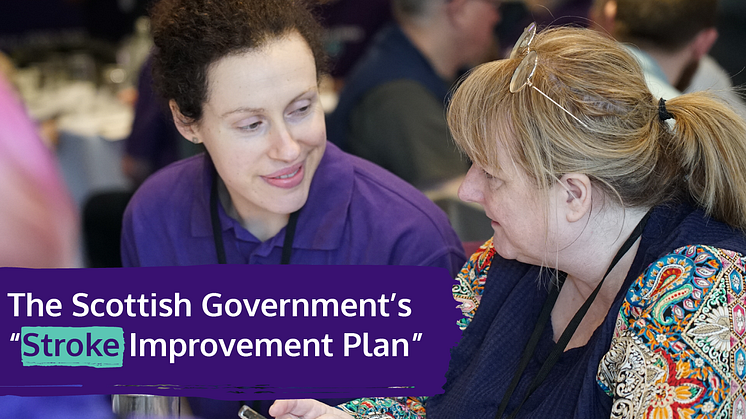
  • Scottish Government's Stroke Improvement Plan

    John Watson, Associate Director Scotland said:
    “We welcome the Scottish Government’s Stroke Improvement Plan (2023) which sets out the commitments Health Boards in Scotland must undertake to ensure equitable and timely access to diagnosis, treatment and care for people with suspected stroke. Stroke is a clinical priority in Scotland, and this ambitious plan reflects the importance of tackling t

Show more