Sorting stroke will help relieve NHS pressure, say health bodies
Five things stroke professionals believe can improve Scotland’s stroke care to save lives and livelihoods
Nearly 46 people will have a stroke every day in Scotland – that's one person every 32 minutes – by 20351 unless the public are better informed about the causes of stroke and how to prevent it.
The Stroke Association is expecting the number of people having a first or second stroke in Scotland to increase to more than 16,500 a year by 2035. Currently, 30 people have a stroke every day in Sco
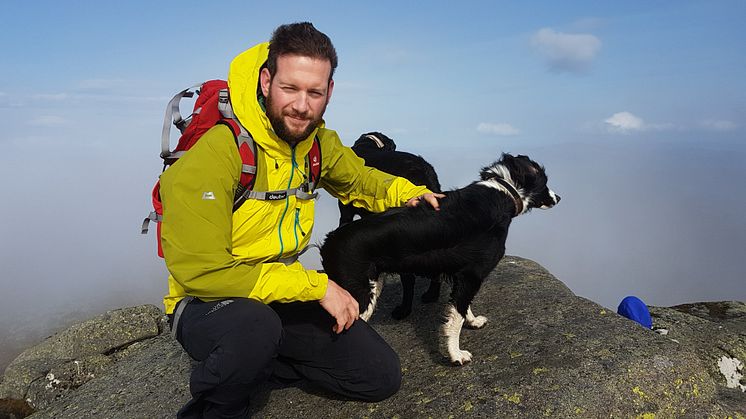
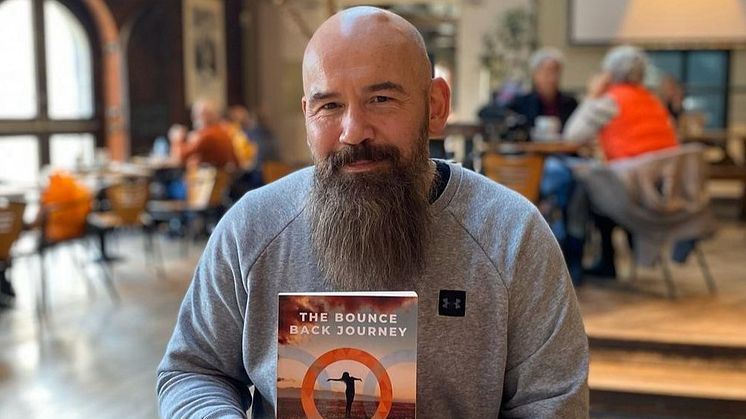
An Inverness man has opened up about his struggles since having a stroke in November 2022 to raise awareness of the condition and support the Stroke Association’s Christmas fundraising appeal.
Stuart Cassells, 46, found fame as the founding member of the Red Hot Chilli Pipers. On 26th November 2022, he had a stroke at his son’s second birthday party and has had to come to terms with a genetic
Almost a third of stroke survivors (30%) feel like they are a burden to their family and friends at Christmas time, according to new research1 released today by the Stroke Association.
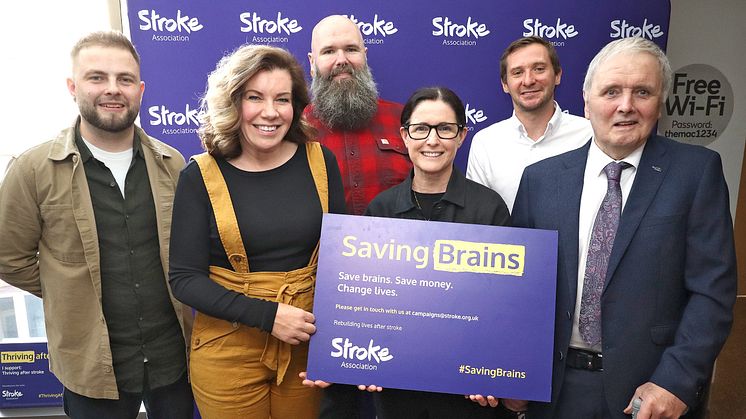
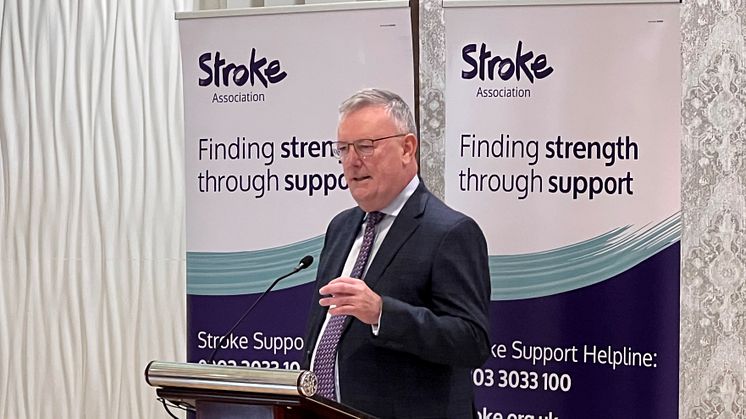
Over 40 healthcare professionals, politicians and stroke survivors from across Northern Ireland attended a screening of a short documentary at Stormont in Belfast on Tuesday 4 November to mark World Stroke Day.
The nation is woefully unaware of stroke, and the lifelong impact it can have on Scotland’s stroke survivors, according to new data released for World Stroke Day (29 October).
Stroke is Scotland’s third biggest killer1and the leading cause of complex adult disability. Yet new survey results from the Stroke Association found that people are worryingly uninformed about stroke and the risk it pose
John Watson, Associate Director for the Stroke Association in Scotland, said:
“Stroke is Scotland's third biggest killer, and the leading cause of complex adult disability. But the latest official figures1 show the ongoing failure of health boards to make stroke the priority it needs to be.
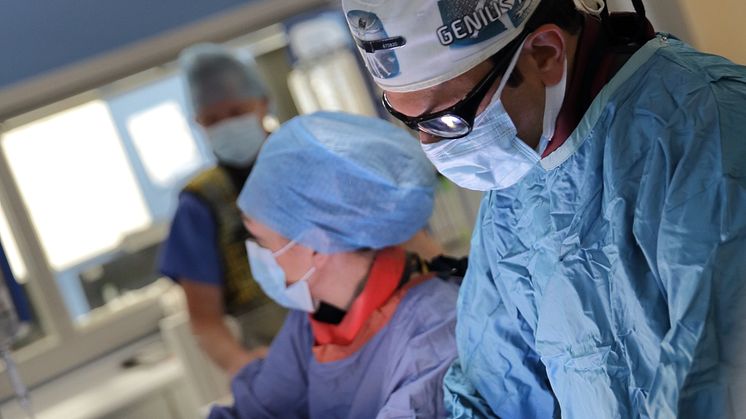
“The failure is most striking in thrombectomy, a life-saving, life-changing treatment that should b
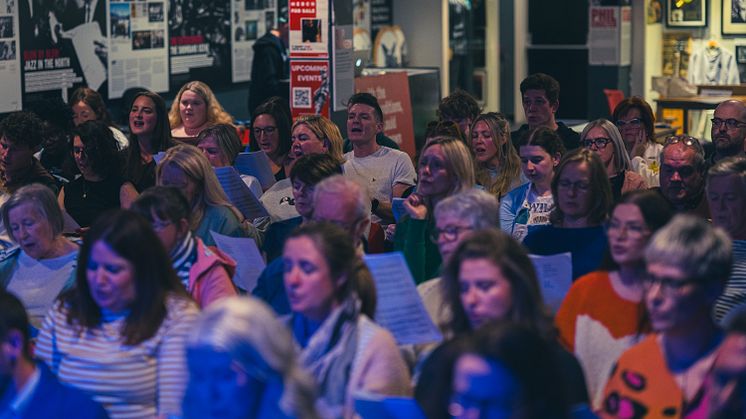
Stroke survivors and budding singers from across Northern Ireland raised their voice in a pop-up choir on 4th June to raise funds for the Stroke Association.
Beatrice Wishart MSP is hosting an event with the Stroke Association and Chest, Heart & Stroke Scotland at the Scottish Parliament on 12th June, to bring the plight of stroke survivors across Scotland to the attention of Members of the Scottish Parliament.
Around 10,000 Scottish residents have a stroke every year and the latest figure for Shetland is 37 islanders had a stroke in 20231.
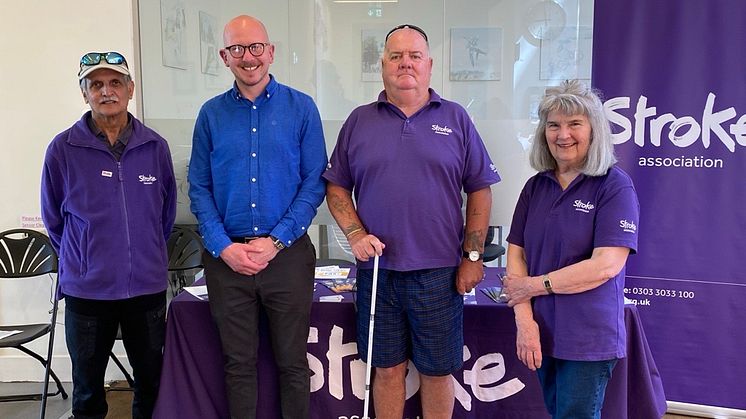
This month is Stroke Awareness Month and members of the Stroke Association’s Clackmannanshire Stroke Support Group are in various locations around the Wee County to raise awareness of the condition and the support available to stroke survivors in Scotland.
They were in Alloa Library last week where they welcomed Brian Leishman MP, who heard about the scale of stroke in his own constituency and
New film showcases urgent need for lifechanging stroke treatment
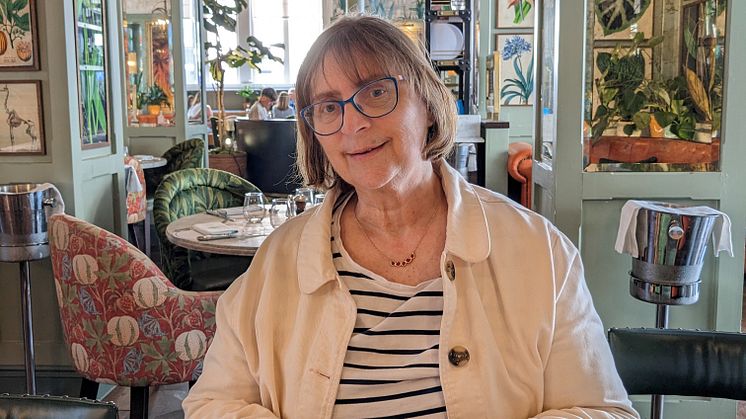
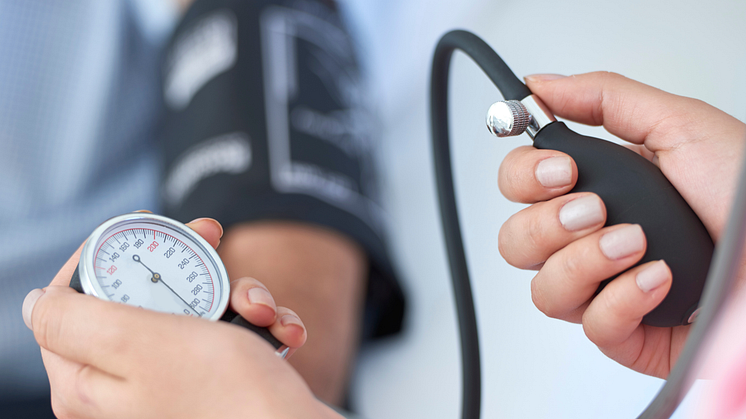
“Had I known I had high blood pressure it would have been treated earlier and I might never have had the stroke."
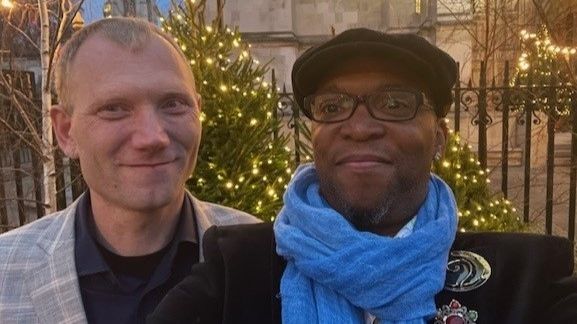
"if you are of African or Caribbean origin you may have a higher risk of stroke than other people in the UK."
"It doesn’t matter how old you are, just check your blood pressure."
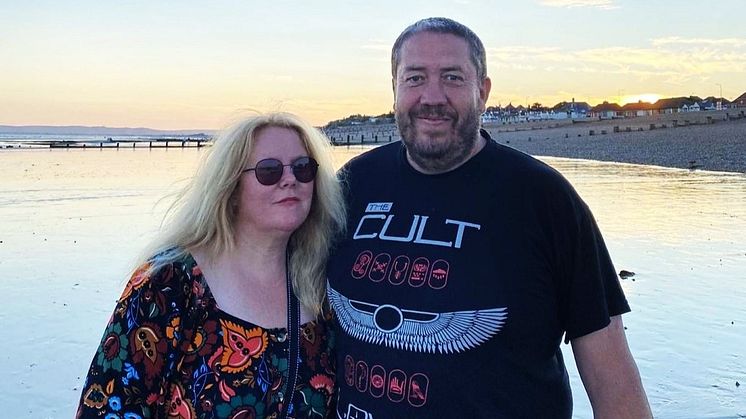
"People think that ‘nothing’s going to happen to me’ and then bang!”
"Having these quick and easy checks could save your life."
More than 150 stroke professionals from across Northern Ireland came together to share insights on improving treatments for stroke patients.
The Stroke Professionals Conference, hosted by the Stroke Association on Wednesday, brought together nurses, occupational therapists, consultants, physiotherapists and other specialists from across a range of stroke care.
They heard the Health Minister
Stroke is one of the biggest killers in Scotland, and the leading cause of adult disability, but these figures show Scotland’s health boards are still struggling to provide pre-Covid levels of stroke care with catastrophic impact on stroke survivors and their families.
A combination of ageing population, lifestyle factors and insufficient action on stroke prevention is set to increase the number of strokes by 51% by 2035. In turn, the stroke survivor population will increase by 62% from 1.3 million to 2.1 million, nearly matching the current population of Slovenia.