Press release —
1 in 4 structural fires are now solar-related, says Fire Ops SA and Discovery Insure
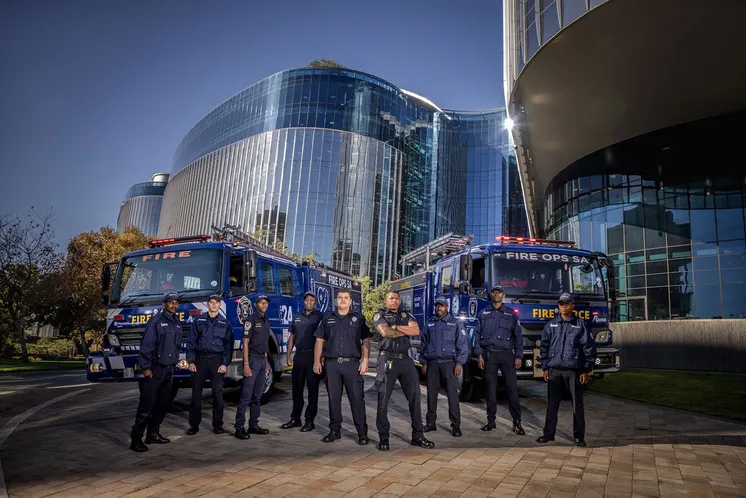
Johannesburg, 8 September 2026 – Solar-related structural fires now account for 1 in 4 structural fires, revealing a growing risk linked to home solar installations. The finding is based on response data from Fire Force, a fire response partnership between Discovery Insure and private firefighting and rescue service, Fire Ops SA.
According to Statistics South Africa’s 2025 General Household Survey, around 675,000 homes now have a solar system, an increase of 86% in just three years.
“A solar system isn’t something that you install and forget about,” says Saqib Hossain, Head of Technical Marketing at Discovery Insure. “Many of these were installed at the height of loadshedding, and as these systems age, components need to be maintained and replaced where necessary to reduce fire risk.”
De Wet Engelbrecht, CEO and Deputy Fire Chief of Fire Ops SA, says they have seen a sharp increase in solar-related structural fires in the past couple of years. “A quarter of all structural fires we respond to are linked to solar systems.”
Fires can start in different parts of a solar system for different reasons, including ageing or faulty batteries, inverter faults, loose or deteriorating wiring and electrical connections, and poor installation. As lithium-ion batteries age or aren’t replaced in time, the risk increases, and these fires require very specific protocols for extinguishing.
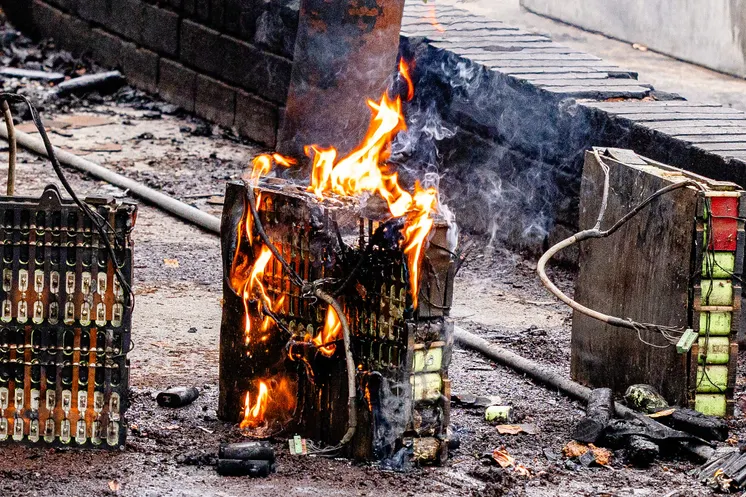
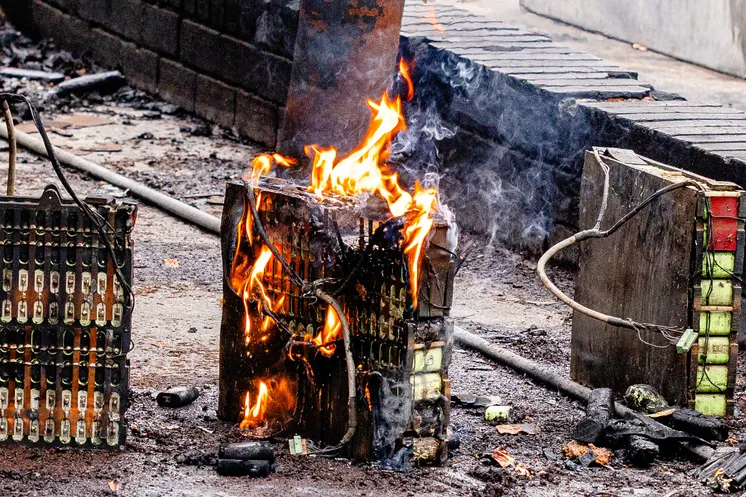
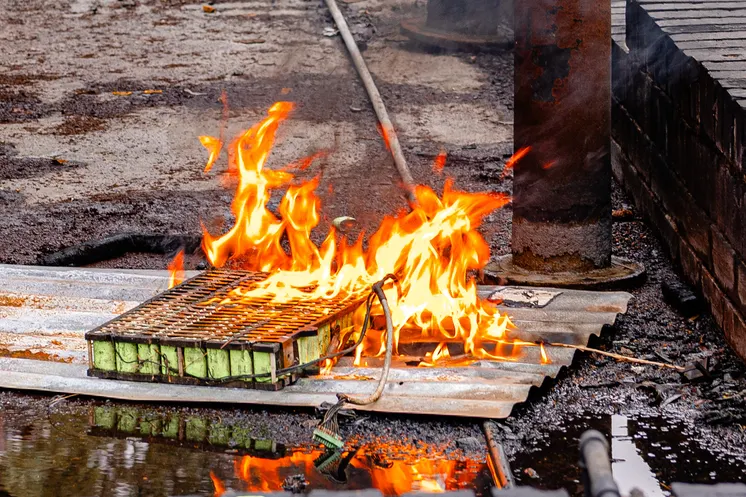
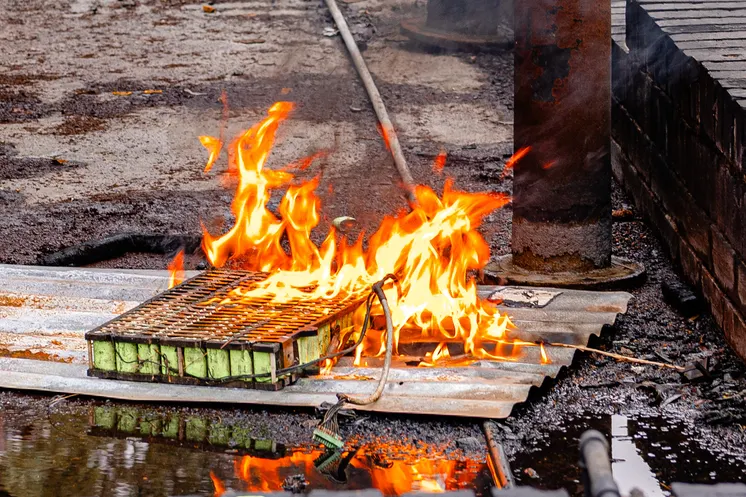
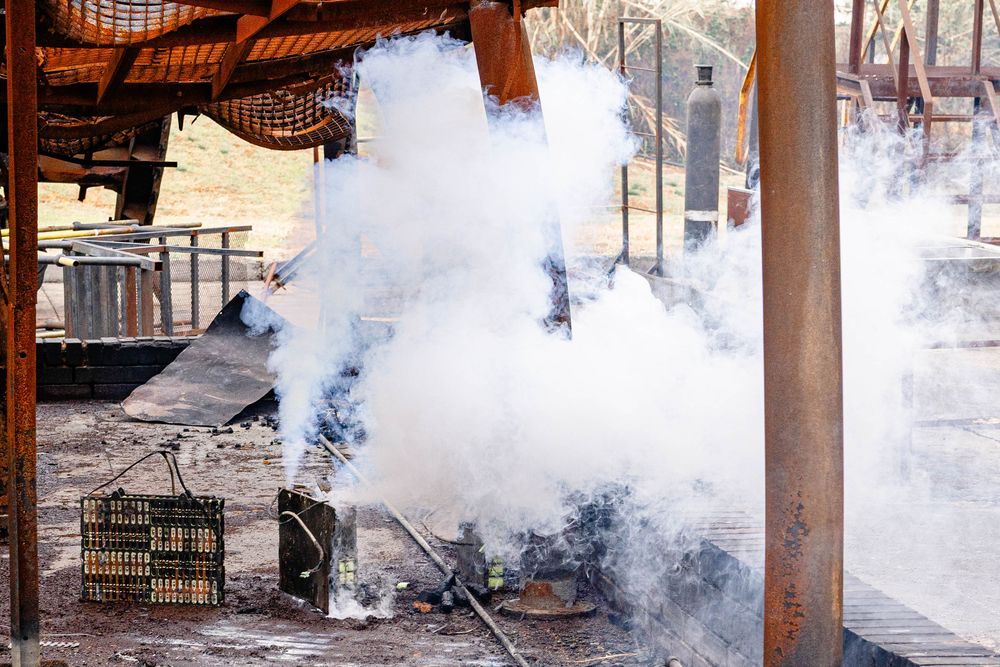
At a live demonstration on Tuesday showing what happens when a lithium-ion battery enters thermal runaway – a rapid, self-sustaining rise in temperature that can result in an intense fire – Engelbrecht explained why these fires can be difficult to contain.
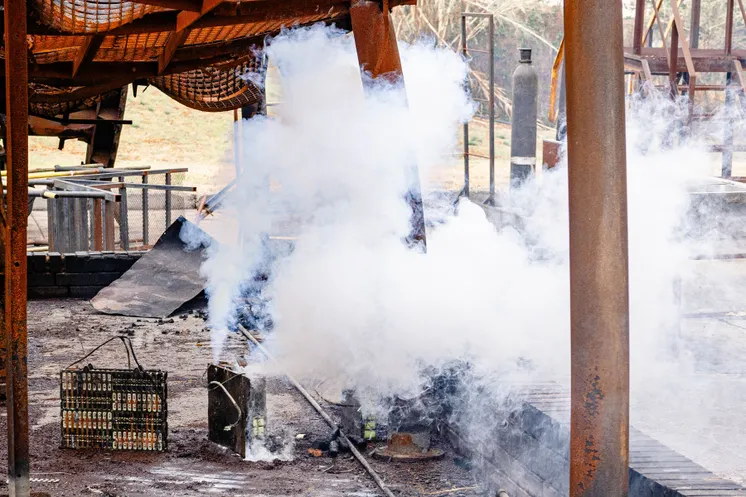
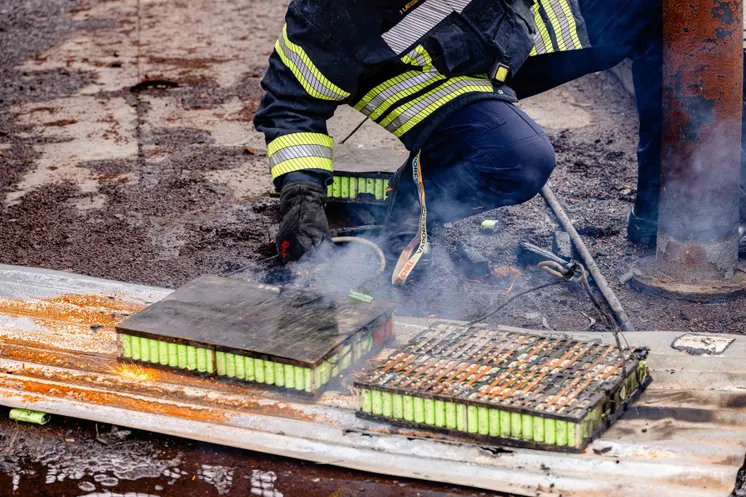
“Lithium-ion battery fires behave differently from conventional household fires. Thermal runaway can cause intense heat, toxic gases and the potential for fire to reignite even after it appears to have been contained.
“Homeowners shouldn’t attempt to manage a lithium-ion battery fire themselves. These fires require specialist knowledge and equipment. The priority should be getting to safety and getting professional help as quickly as possible,” said Engelbrecht.
“The first 15 to 20 minutes are critical. They can determine whether a fire is contained or spreads into other parts of the home, including the roof, where additional combustible materials can cause the fire to escalate rapidly.”
One family’s experience
Discovery Insure client, David*, was at home with his family when his daughter heard the smoke alarm go off. An inverter fault had caused a fire, and flames from the distribution board were almost reaching the ceiling.
“I managed to use the fire extinguisher on the distribution board, but I wasn’t sure whether I’d managed to fully stop the spread and whether the flames would reignite or not.”
At the same time, their home’s smoke detector had immediately alerted Discovery Insure’s 24/7 call centre. When the emergency service could not reach David, Fire Force was dispatched automatically.
“They arrived within five minutes of the alarm sounding. I didn't have to worry about calling for help during a highly stressful situation,” says David. “We’d installed our solar system a few years back and had a valid Certificate of Compliance. However, a post-fire inspection uncovered serious faults.”
Engelbrecht says homeowners should think differently about the equipment powering their homes.
“A home solar system is effectively a small power station on your property. It needs to be installed properly, but it also needs to be inspected and maintained throughout its life. A Certificate of Compliance at installation doesn’t mean you can forget about the system for the next five or 10 years.”
What can you do to reduce your solar-system fire risk?
Engelbrecht says homeowners should focus on two things: Reducing the chances of a fire starting and making sure it’s detected as quickly as possible if something goes wrong.
1. Use qualified installers and electricians
Choose reputable solar specialists with recognised industry credentials and use a registered electrician authorised to inspect, test and certify electrical installations. Always insist on a valid electrical Certificate of Compliance (not a certificate of completion) once the installation is complete.
2. Get your system checked regularly
Have your solar system inspected and serviced at least once a year, including wiring, connections, batteries and the inverter.
3. Look out for warning signs
Swelling batteries, excessive heat, unusual smells or noises, error messages and unexplained system faults should be investigated by a qualified professional.
4. Think carefully about where your system is installed
Batteries and inverters require adequate ventilation and, where possible, should be kept away from vehicles, fuel, and other combustible materials. A qualified installer should advise on the safest location for the particular system.
5. Plan for replacement
Batteries, inverters and other components have finite lifespans. Follow the manufacturer’s maintenance and replacement guidance rather than waiting for equipment to fail. Replace batteries before their end‑of‑life, and if they start swelling, replace them immediately.
6. Install a smoke detector
Install smoke detectors near your solar equipment, with automated detection linked to professional emergency response, especially when no one is home.
“South Africans moved incredibly quickly to make their homes more energy resilient. Now we need to make sure that those systems remain safe as they age,” says Hossain. “Regular maintenance and early detection can make all the difference.”
*Name and identifying details changed to protect privacy.
Captions:
Photo 2, Photo 3, Photo 5 – Battery cells
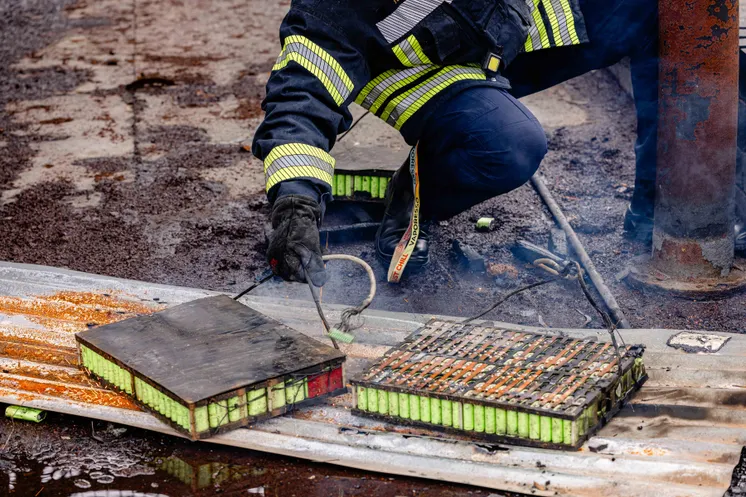
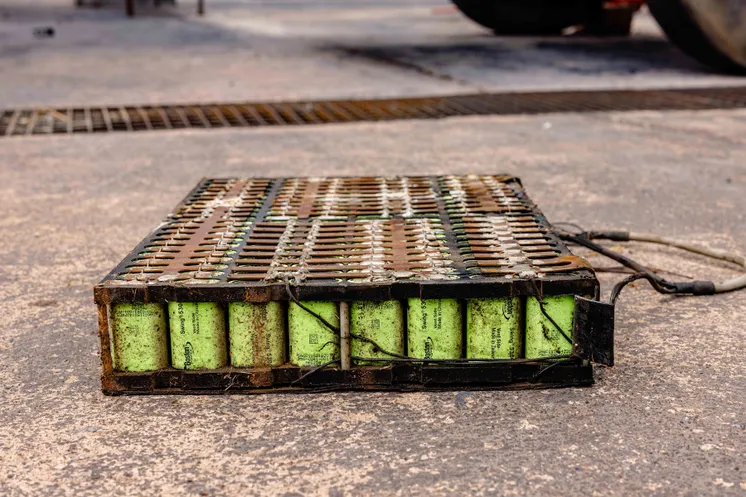
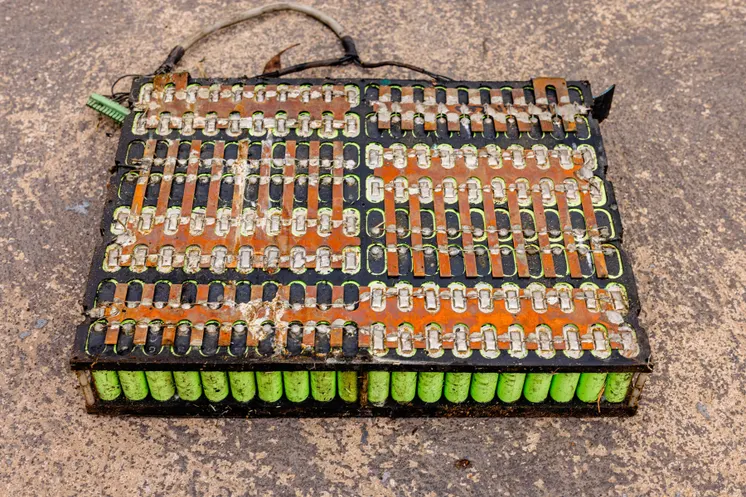
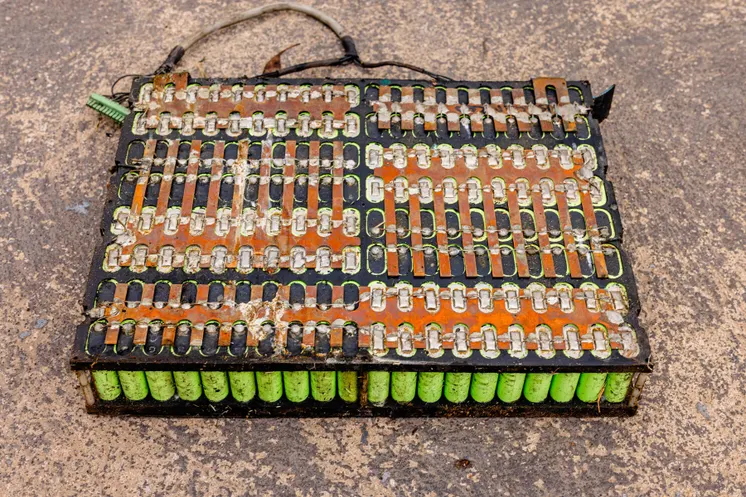
A lithium-ion battery module containing approximately 180 individual cells. If one cell overheats and goes into thermal runaway, the heat can trigger neighbouring cells, causing the fire to spread rapidly through the battery.
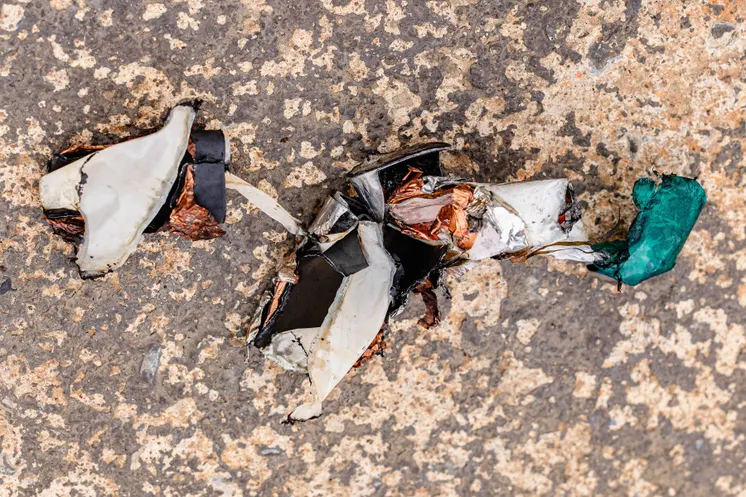
Photo 12, Photo 4 – Damaged battery cells
Damaged lithium-ion cells after a fire. Even once visible flames have been extinguished, cells can remain hot and unstable, creating a risk of reignition.
Photo 6, Photo 9, Photo 11 – Thermal runaway
A lithium-ion battery module containing approximately 180 individual cells. There is typically one of these modules inside a single battery in a residential solar installation. If one cell overheats and goes into thermal runaway, the heat can trigger neighbouring cells, causing the fire to spread rapidly through the battery, which can take hours to extinguish and can easily reignite.
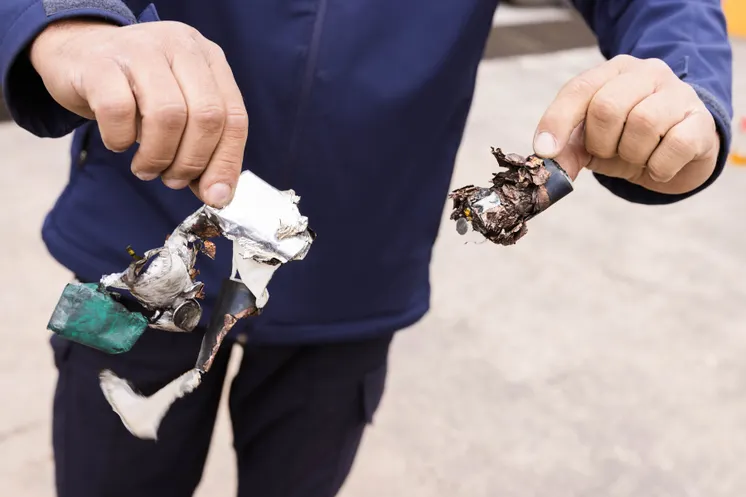
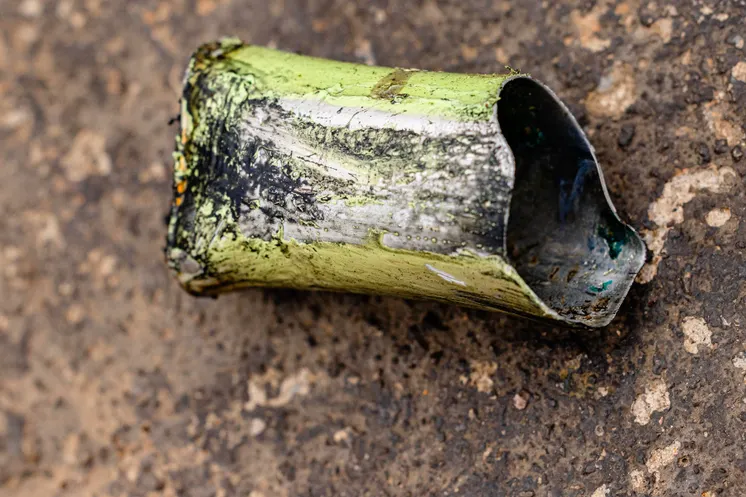
The remains of a lithium-ion battery after cells ruptured during a fire. Extremely hot material can be ejected from the battery, potentially igniting nearby furniture, carpets, curtains and other combustible materials.
Photo 10, Photo 11
A lithium-ion battery module containing approximately 180 individual cells. There is typically one of these modules inside a single battery in a residential solar installation. If one cell overheats and goes into thermal runaway, the heat can trigger neighbouring cells, causing the fire to spread rapidly through the battery, which can take hours to extinguish and can easily reignite.
Photo 7, Photo 8 - Early detection
Early smoke detection can alert occupants and trigger an emergency response before a fire develops further, buying valuable time to evacuate and for professional firefighters to respond.
Photo 9 – Smoke and toxic gases
Smoke from a burning lithium-ion battery. These fires can release toxic gases, making it dangerous to approach them without appropriate protective equipment and breathing apparatus. Fire Ops SA advises people to evacuate and call professional emergency services rather than attempting to fight a battery fire themselves.
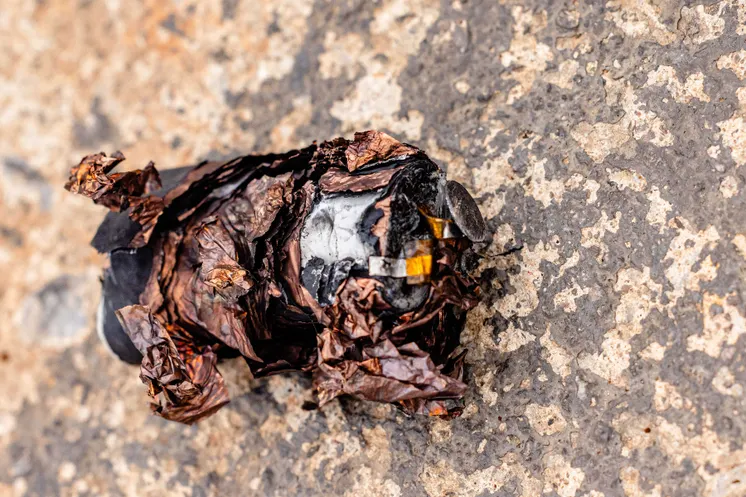
Photo 12, Photo 13, Photo 14, Photo 4 – Lithium-ion Battery after explosion
The remains of a lithium-ion battery after cells ruptured during a fire. Extremely hot material can be ejected from the battery, potentially igniting nearby furniture, carpets, curtains and other combustible materials.
Notes to editors:
- While the solar industry is not yet fully regulated in South Africa, homeowners can reduce risk by choosing installers with recognised industry accreditations, such as registration with the South African Photovoltaic Industry Association (SAPVIA) or PV GreenCard certification, which indicates compliance with recognised safety, quality and training standards.
- Discovery Insure’s Discovery 911 smoke detector is a residential fire detection and emergency response solution that automatically detects a fire in the home and alerts Discovery Insure’s 24/7 emergency response centre, which coordinates a rapid fire response. Available nationwide to the public (not just Discovery Insure clients), the easy-to-install device costs R400 to activate, with a monthly subscription starting at R75. Read more here.
- Fire Force is a private fire-fighting project launched by Discovery Insure and Fire Ops SA in 2022.
Topics
Categories
About Discovery Insure
Discovery Insure, a division of Discovery Limited, was established in 2011 to offer flexible, innovative and comprehensive car, home and travel insurance built on the Group’s Shared‑value model. As a disruptor in South Africa’s short‑term insurance market, Discovery Insure introduced telematics‑based vehicle insurance to the South African market and continues to lead through its behaviour‑change incentive programme, Vitality Drive. This award‑winning programme rewards clients for driving well and helps reduce accidents, injuries and fatalities, thereby enhancing the safety of clients and broader society.
About Discovery
Discovery Limited is a South African-founded financial services organisation that operates in the healthcare, life assurance, short-term insurance, banking, savings and investment and wellness markets. Since inception in 1992, Discovery has been guided by a clear core purpose – to make people healthier and to enhance and protect their lives. This has manifested in its globally recognised Vitality Shared-Value insurance model, active in over 37 countries with over 50 million members. The model is exported and scaled through the Global Vitality Network, an alliance of some of the largest insurers across key markets including AIA (Asia), Ping An (China), Sumitomo (Japan), John Hancock (US), Manulife (Canada) and Vitality Life & Health (UK, wholly owned). Discovery trades on the Johannesburg Securities Exchange as DSY.
Follow us on Twitter @Discovery_SA