News —
Northern Lights in Norway: Your Guide to Some of the Best Arctic Viewing Spots
Northern Norway has emerged as one of the world’s most sought-after locations to experience the northern lights. Once an exclusive natural wonder witnessed only by locals and explorers, the aurora borealis and its greens, purples and reds, now draw visitors from around the world seeking the wonders of the Arctic sky.
Situated in the heart of the auroral oval, and above the Arctic Circle, Northern Norway's geographic position is ideal for aurora viewing. It offers consistent opportunities for sightings of the natural light show, with the Arctic landscape as backdrop.
What are the northern lights?
The northern lights, or aurora borealis, are a natural light display caused by collisions between charged particles from the sun and gasses in Earth’s upper atmosphere. These particles are drawn toward the magnetic poles, where they create shimmering waves of light in the night sky. The most common colour is green, but red, purple, and blue hues also appear during periods of intense solar activity. Auroras occur in an oval-shaped zone around the magnetic poles, making Northern Norway, which sits directly beneath this auroral oval, one of the best places on Earth to witness the phenomenon.
When to see the northern lights
The northern lights season in Northern Norway runs from mid-September to early April, with the darkest winter months, November through February, offering the best chances.
While sightings of the northern lights can never be guaranteed, as nature follows its own schedule, first-time visitors should plan their trip between mid-September and early April, when night falls as early as 6–7 p.m., to maximize their chances.
To witness the auroras, two key conditions must be met – a clear, dark sky combined with solar activity. The further you are from light pollution, the better your odds. Northern Norway’s low light pollution provides ideal opportunities for uninterrupted views.
While the colourful lights can appear anytime after dark, peak activity is typically between 10pm and 1am. Planning several nights in aurora-friendly locations, combined with using aurora forecast apps, increases the likelihood of experiencing it. Guided northern lights tours are also available throughout the region, with local guides who know where to look for clear skies and can offer tips on photographing the aurora.
Top 5 Picks for Northern Lights Viewing in Northern Norway
Lyngenfjord
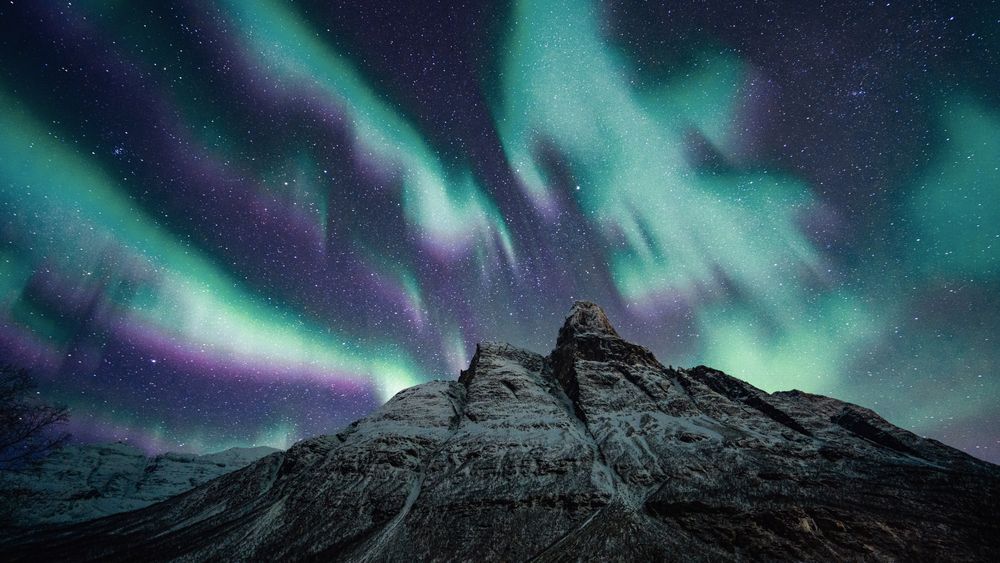
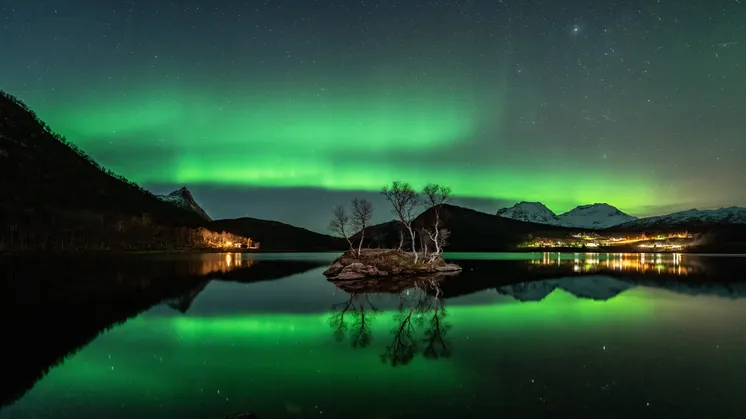
Lyngenfjord is just a couple of hours from the arctic metropolis of Tromsø. Yet it feels like a completely different world, with steep mountainsides, deep fjords and islands scattered across the sea. Best of all, the area enjoys a dry and stable winter climate, ideal for experiencing the northern lights.
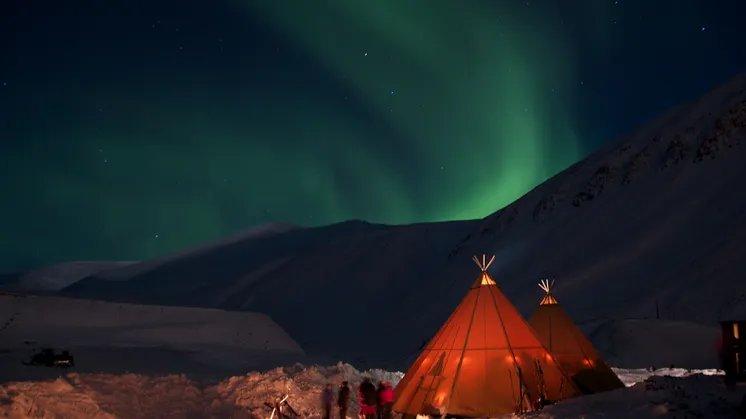
Why not take an evening tour in a traditional reindeer sleigh to see the northern lights? A meal in a lavvu (a Sámi tent) is an essential part of the adventure. Snowmobiles allow you to venture even further into the wilderness and high into the mountains, where views of the surrounding landscape await.
Alta
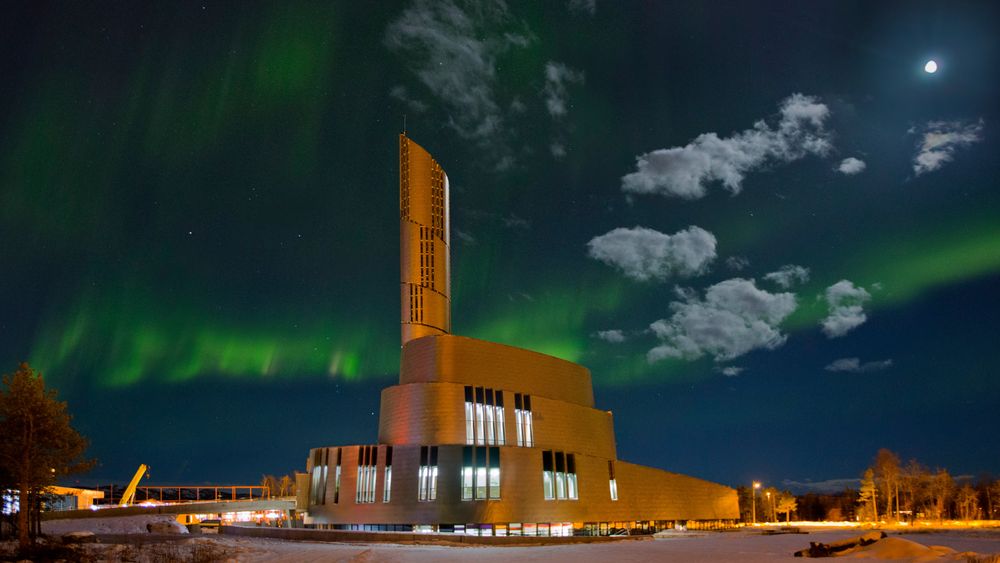
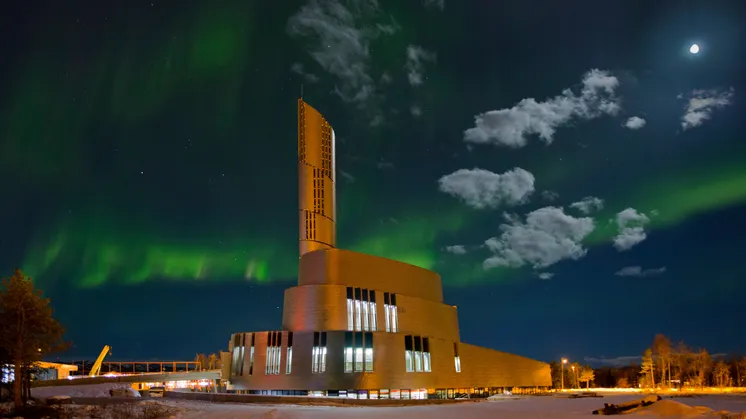
Alta is known for its rich Sámi cultural heritage and its long history of northern lights research. The aurora can often be seen directly from the town centre, but many visitors choose to venture outside town for an even more memorable experience.
One way to explore the winter landscape while searching for the northern lights is on a guided fatbike tour. These specially designed bicycles, fitted with extra-wide tyres, make it possible to ride across snow and ice, even on dark winter evenings. For those who prefer a more relaxed pace, a guided northern lights excursion or an evening around an open fire in the mountains offers another way to experience the Arctic winter while keeping an eye on the sky.
Helgeland
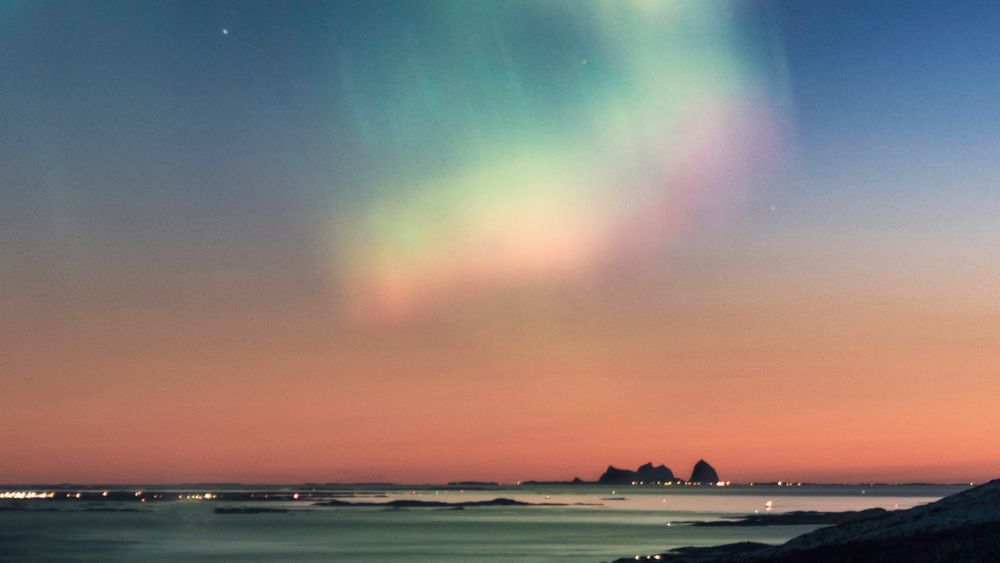
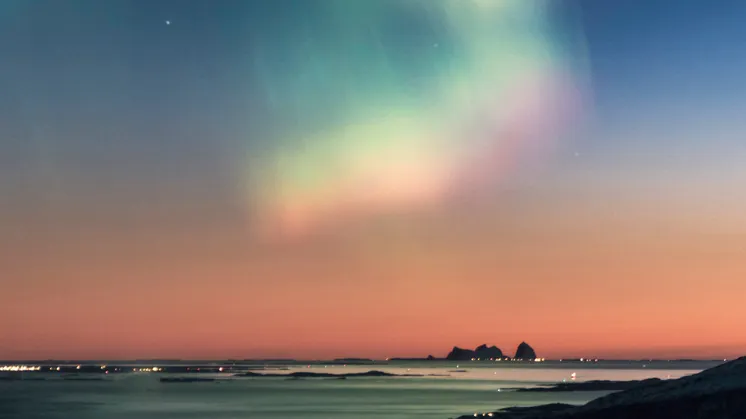
Vast open mountain landscapes and the beautiful, extensive Helgeland coastline offer countless places to view the northern lights. Here, you’ll find viewing spots with little light pollution, where, if you’re lucky, you can see both the aurora and the starry sky.
As Helgeland lies in the southernmost part of Northern Norway, the climate is milder and the days are also a little brighter here, even during the polar night. This makes the region an ideal destination for those who want to combine evening excursions to see the northern lights with daytime activities such as snowshoeing, dog sledding, skiing and winter kayaking.
Svalbard
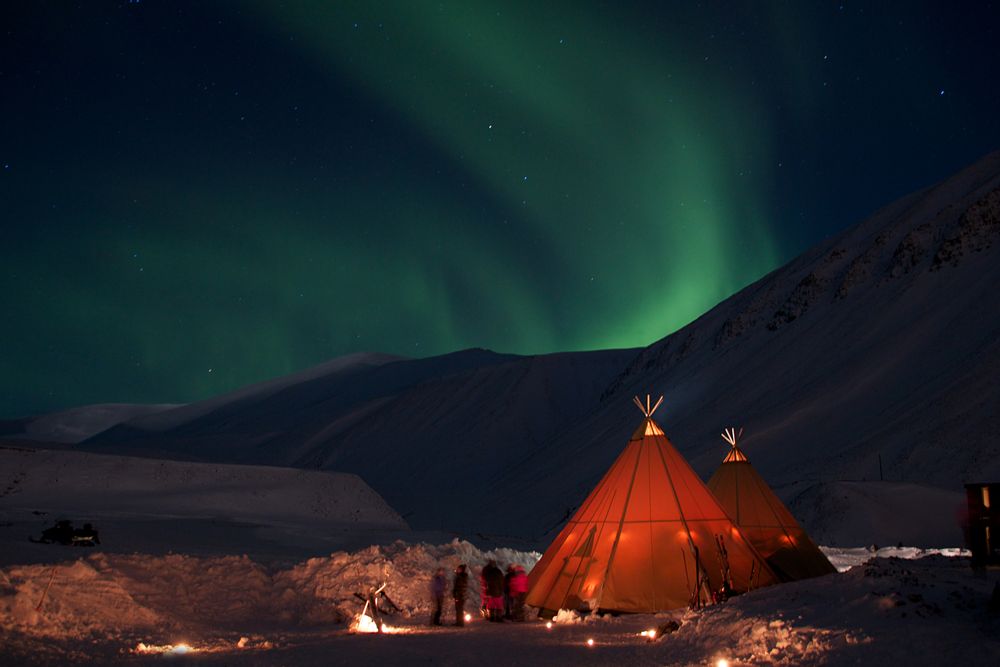
From mid-November to late January, Svalbard experiences the polar night. During this period, the sun remains below the horizon, and the only things illuminating the sky are the moon, the stars and occasional northern lights. During the polar night on Svalbard, the aurora can be visible around the clock, so remember to look up even during the day. In fact, Svalbard is one of the very few inhabited places in the world where you can experience the northern lights in the middle of the day.
There is a wide range of experiences and activities to combine with northern lights viewing. How about visiting a wood-fired sauna? Relax in the warmth, then step out into the Arctic wilderness when the colourful lights appear.
Senja
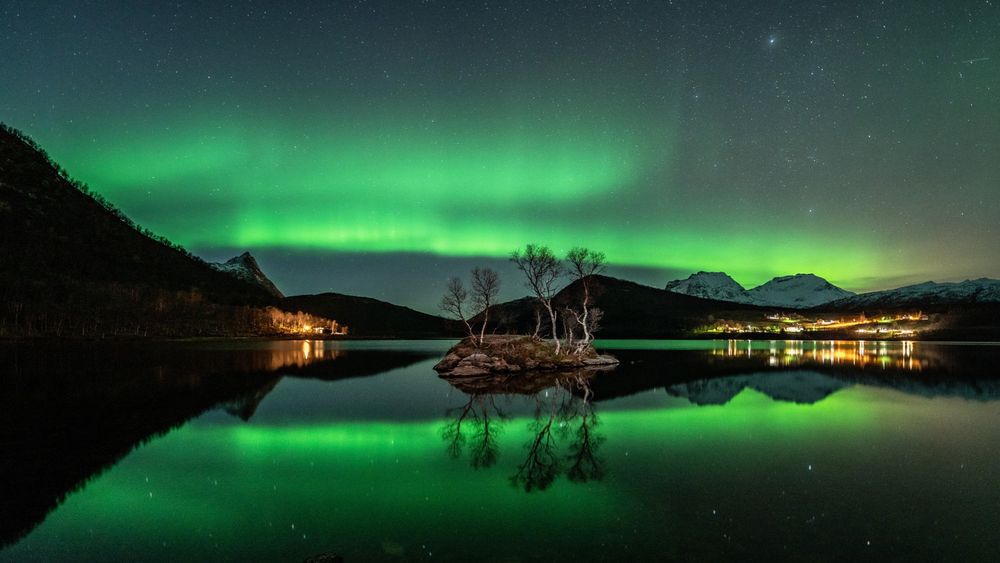
Despite lying around 300 kilometres north of the Arctic Circle, the island of Senja enjoys a mild winter climate. To see the northern lights, you can travel across the island in search of the clearest skies – either along the outermost coast when the wind comes from the east, or in an inland forest when low-pressure systems roll in from the northwest.
When the stars are shining, you can head out almost anywhere to look for the aurora. Dress warmly, wear reflective clothing if walking along a road, and consider taking a longer evening stroll. Dog-sledding excursions are available at several locations, and you can also hire snowshoes and explore the beautiful coastal landscapes or snow-covered inland terrain.
Top tips for when hunting the northern lights
- Check both the aurora and weather forecasts. You need clear weather and as few clouds as possible.
- Stay as long as you can. The more days you spend in the region, the greater your chances of having both favourable weather and aurora activity coincide.
- Seek out places with little light pollution. The further you get from cities, towns and streetlights, the better the northern lights are likely to be visible.
- Remember that sightings are never guaranteed, but the winter landscapes of Northern Norway offer plenty to experience even if the northern lights don’t appear.