Blog post —
Will Netflix’s The Plastic Detox change how we think about plastic and what’s in our water?
On 16 March, Netflix will drop The Plastic Detox, a documentary supported by the Minderoo Foundation, which funds research on ocean health, climate, and plastic pollution. The film follows six couples as they try to remove all plastic from their homes.
What starts as a lifestyle experiment apparently quickly becomes personal. As the couples eliminate plastic from their kitchens, bathrooms, and daily routines, they discover new issues related to hormone disruption, fertility problems, and long-term health. At Bluewater we haven’t seen the film yet, but its subject is very relevant. to our mission
Plastic isn’t just litter on the beach. It’s present in food packaging, in the food we eat, in household dust, and in our tap water.
What’s really in tap water?
Most people believe that if water meets official standards, it is safe. In many countries, water does meet these standards. But “within limits” does not mean it is without contaminants.
Across Europe, the UK, and the United States, testing continues to identify:
- Toxic metals such as lead, arsenic, and cadmium, often from ageing infrastructure
- PFAS, “forever chemicals,” linked to cancer and immune disruption
- Pesticide residues from agricultural runoff
- Pharmaceutical traces that wastewater treatment doesn’t fully remove
- And increasingly, microplastics
Microplastics come from things like breaking down packaging, synthetic clothing fibers, tire dust, and industrial waste. Researchers have found them in bottled water, tap water, rainwater, and even in human placentas. They are small enough to move through ecosystems and through our bodies.
Many plastics also contain additives like phthalates and bisphenols. These chemicals can interfere with the endocrine system, which controls fertility, metabolism, development, and mood. Meanwhile, global fertility rates are declining, and chronic diseases are rising. Health trends are complicated, but scientists are now seriously considering the impact of environmental exposure.
This isn’t about panic. It’s about evidence finally matching what we see in daily life.
Why this conversation matters to Bluewater
"At Bluewater, we have focused on water quality and its relevance to human health and wellness from the get-go", says Bluewater communications chief Dave Noble. He notes that the company was founded in 2013 in Stockholm by Swedish ecopreneur Bengt Rittri, with a simple belief: people deserve to know what’s in their drinking water.
For over 10 years, Bluewater has worked to increase visibility into tap water contamination and long-term exposure to the likes of PFAS and other toxic chemicals, metals and other substances, including hormones. Through research briefings and white papers, we have examined the rise of new pollutants and the growing problem of microplastics. We have also developed sustainable water purification and beverage solutions like our advanced SuperiorOsmosis™ tech to deliver clean tap water free from toxic plastics, metals, and hormones for drinking and showering to people at home, work, and play.
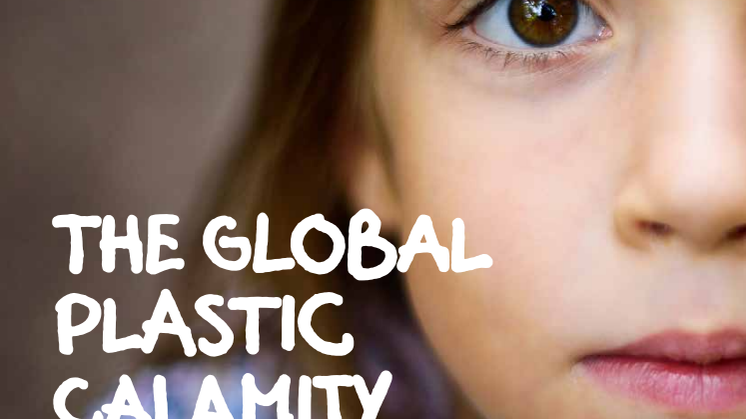
A key report, The Global Plastic Calamity, which we co-created with the Mirpuri Foundation, warned in 2019 that plastic pollution was no longer only an ocean problem. Disposable plastics were breaking down into tiny particles that entered the air, soil, water, and food chain. The report also pointed out that thousands of chemicals in plastics may disrupt hormones and could be linked to infertility, chronic illness, and developmental disorders.
Our White Paper report did not claim that plastics are the sole cause of today’s health problems. It argued that ignoring the increasing evidence would be unwise.
Since then, research has advanced more quickly. Ways to detect plastics have improved. More people are aware of the problem. Still, plastic production keeps increasing with the United Nations noting that over 600 billion single-use plastic bottles are made every year with around 90 percent ending up in landfills or our oceans.
Why a documentary can shift the dial
Scientific papers inform policymakers, but documentaries reach people at home.
By showing real families dealing with infertility and trying to remove plastic from their homes, The Plastic Detox tries to turn complex science into real-life stories. It asks practical questions: What can we control? What are we exposed to every day? How does tap water fit in?
We can’t remove every source of exposure. Plastic is part of modern life. But we can lower some risks. Filtering drinking water can help reduce exposure to microplastics, toxic metals, and other contaminants. It also helps to pay attention to what materials touch our food and water.
Most importantly, keep updated.
"At Bluewater, we believe clean water is the foundation of good health. If we care about fertility, heart health, and a strong immune system, we need to look at the source – literally," Noble says. He suggests everyone should tune in on March 16 to watch The Plastic Detox. "Watch it with interest. Watch it with your family. Let it inspire questions about what’s in your home and what comes from your tap. We’ll be watching too. The more we learn about plastic and water, the better we can make choices that protect the people we care about."