News —
New Research Raises Fresh Questions About What’s Really in Bottled Water
Stockholm, Sweden, January 19, 2026 – As concerns about tap water quality grow across North America, Europe and the UK, bottled water is increasingly viewed as the safer choice. But new peer-reviewed research suggests the picture is more complicated and less reassuring than many consumers assume.
A major study, newly published in ScienceDirect, analysed 10 widely sold bottled water brands using advanced testing techniques. Researchers identified dozens of chemical disinfection byproducts (DBPs), some of which had never been detected in bottled water. Several of these compounds have been linked in laboratory studies to DNA damage and increased cancer risk.
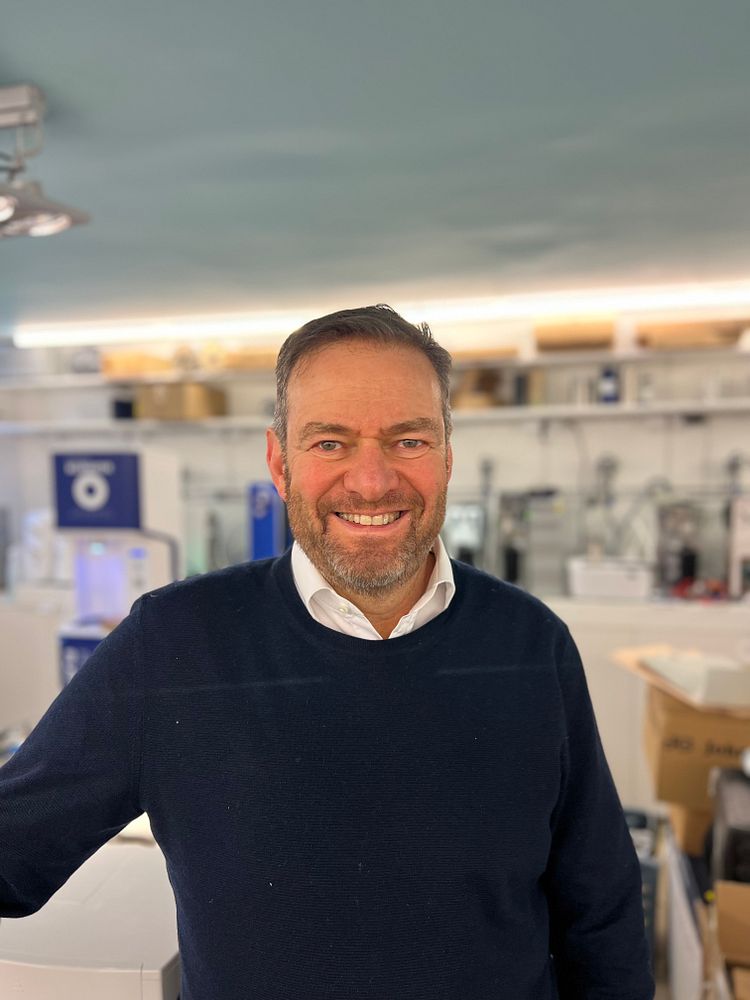
“These findings challenge the assumption that bottled water is purer than tap water,” said Bengt Rittri, founder and CEO of Bluewater, a global water purification and beverage company. “Much bottled water begins as municipal tap water. What’s striking is not just that these by-products are present, but how inconsistent they are between brands and even between production batches.”
DBPs form when disinfectants such as chlorine, chloramine or ozone react with naturally occurring organic matter in water. While regulators oversee a limited number of these compounds, scientists have now identified more than 700 DBPs, many of which remain unregulated and poorly understood.
Public anxiety around water quality and safety is already high. A 2024 international study found over half of adults surveyed worldwide expect their drinking water to seriously harm their health within the next two years. Co-authored by researchers at the University of the West of England (UWE) Bristol, Northwestern University, the University of North Carolina at Chapel Hill, and the University of Southern California, the study highlights declining trust in water management – even in highly developed countries.
In the bottled water study, researchers screened for 64 DBPs and detected 50 in bottled water for the first time. One compound of particular concern, dibromoacetonitrile, was found in two low-cost grocery brands and is highly toxic to cells and can damage DNA.
Unexpected results also emerged among premium products. One “designer” bottled water marketed as UV-treated contained chemicals typically associated with chlorine disinfection, raising questions about production transparency.
On average, bottled water contained far lower DBP levels than tap water – around 20 times lower – but concentrations varied widely. Waters labelled as “purified,” often derived from municipal supplies, tended to contain more DBPs than spring waters.
“That variability matters,” said Rittri. “Two bottles with the same label can expose consumers to very different chemical profiles, with little visibility or choice.”
“This isn’t about alarmism,” he added. “It’s about informed decision-making. Bottled water is still industrially processed water, and regulation hasn’t kept pace with modern science.”
Mr Rittri said that as pressure on public water systems intensifies, the latest findings underline the need for better treatment, clearer labelling and greater transparency, whether water comes from a tap or a bottle.
Media contact
Dave Noble, Bluewater Chief Communications Officer, david.noble@bluewatergroup.com
About Bluewater
Founded in 2013 in Stockholm, Sweden, Bluewater aims to be the world’s most planet-friendly water purification and beverage company. The company designs hydration solutions for home, work and public settings, with products used by consumers, hospitality businesses, venues, events and educational institutions worldwide. Bluewater has received multiple international design and innovation awards, including two Fast Company World Changing Ideas Awards and a 2024 and 2025 GOOD DESIGN® Award. https://www.bluewatergroup.com