Pressemitteilung —
EU Methane Regulation: Two-year delay sends an important signal of proportionality
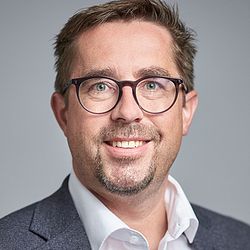
EU member states and the European Parliament have agreed to postpone key provisions of the EU Methane Regulation by two years. Importers’ obligations to monitor, report and verify methane emissions are now set to apply from the beginning of 2029 instead of 2027. Dr Timm Kehler, Chairman of the association Die Gas- und Wasserstoffwirtschaft, welcomes the agreement and calls for the time gained to be used for workable solutions:
“A longer period would have been appropriate, but the two-year delay is nonetheless an important signal of proportionality and a far-sighted decision. One thing is clear: our industry stands behind the ambitious climate targets of the Methane Regulation. The challenges lie in its application.
With today’s agreement, the Council and Parliament recognise that implementing the complex requirements of the EU Methane Regulation takes time – particularly because of global supply chains. This is an important step towards strengthening security of supply. Now the two years must be put to good use: existing international standards and monitoring systems must be recognised in order to avoid parallel reporting obligations and duplicate data collection as well as unnecessary double counting.
In Germany’s national implementation in particular, we need practical standards that are compatible at international level. The effective application of the EU Methane Regulation stands or falls with the planning certainty that companies along the entire supply chain are given at an early stage.”
Themen
Als Stimme der Branche bündelt der Verband DIE GAS- UND WASSERSTOFFWIRTSCHAFT e.V. die Interessen seiner Mitglieder und setzt sich dafür ein, dass die Potenziale von Wasserstoff und seiner Derivate sowie Biogas und Erdgas inklusive der dazugehörigen Infrastruktur genutzt werden. Zudem informiert er über den Beitrag gasförmiger Energieträger und ihrer Infrastruktur zu einer sicheren Energieversorgung sowie über die Möglichkeiten, Treibhausgasemissionen durch den Einsatz von Wasserstoff, seinen Derivaten und Biogas zu senken. Zugleich treibt er die Transformation der Branche hin zu neuen Gasen voran. Der Verband wird von führenden Unternehmen der Energiewirtschaft getragen und umfasst die gesamte Wertschöpfungskette von Produktion, Transport, Verteilung bis hin zu Handel, Vertrieb und Anwendungen. Weitere Branchenverbände und Industrieunternehmen unterstützen ihn als Partner.