






From Val Duchesse to Riga: how to relaunch social dialogue?
On 21 and 22 April 2015 Ministers for Employment and Social Affairs in Riga again discussed informally ways towards a true and responsible social dialogue.
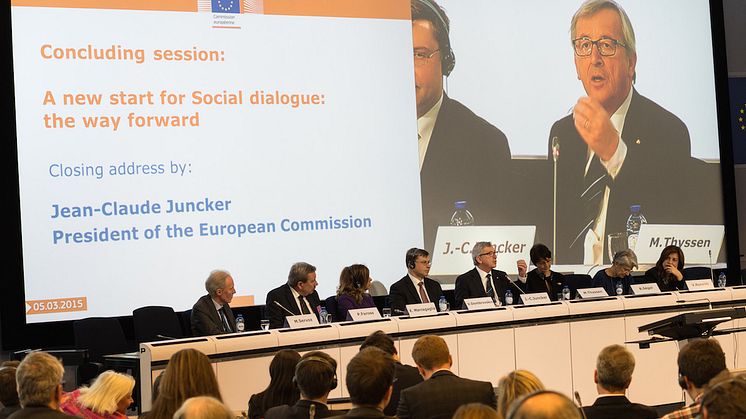
On 21 and 22 April 2015 Ministers for Employment and Social Affairs in Riga again discussed informally ways towards a true and responsible social dialogue.
In the immediate aftermath of the recession in 2008, employment in the public sector continued to grow, helping to sustain demand in the European economy. However, by 2010 significant restructuring was underway in the public sector in several Member States. The ‘ERM Annual Report 2014 – Restructuring in the public sector’ provides an overview of restructuring trends in Member States since 2008.

The take-up rate of parental and paternity leave among fathers has been increasing in most Member States but it still remains relatively low. Covering all the EU Member States and Norway, this report looks at the most recent trends in terms of take-up of parental and paternity leave, existing provisions and factors influencing take-up rates.
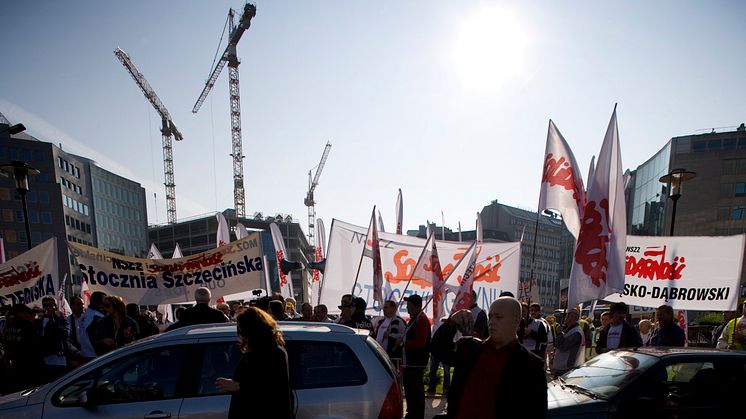
The global economic and financial crisis brought to an end an era of relative calm with regards to collective industrial action, and the highest incidence of industrial action was not surprisingly found in countries worst hit by the crisis. Wednesday 18 February is the international day of action in defence of the right to strike, initiated by the International Trade Union Confederation ITUC.
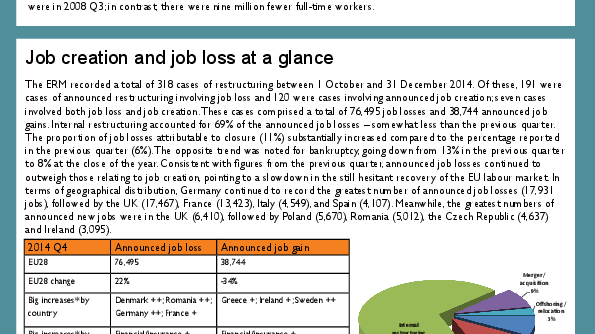
Dramatic recent oil price declines have seen deflation take hold in the EU, and general price levels in December 2014 were 0.2% lower than a year earlier. EU sanctions against Russia impact on reported restructuring job losses in Europe. This is further evidence of a tentative European economic recovery that appears to be running out of steam, the latest ERM Quarterly report.
The minimum wage levels have begun to increase over the past two years, following years of no change. The latest quarterly update from EurWORK presents the most recent data on statutory minimum wages in Europe, applicable on 1 January 2015, and an overview of the discussions leading to the final settlements made in 2014.

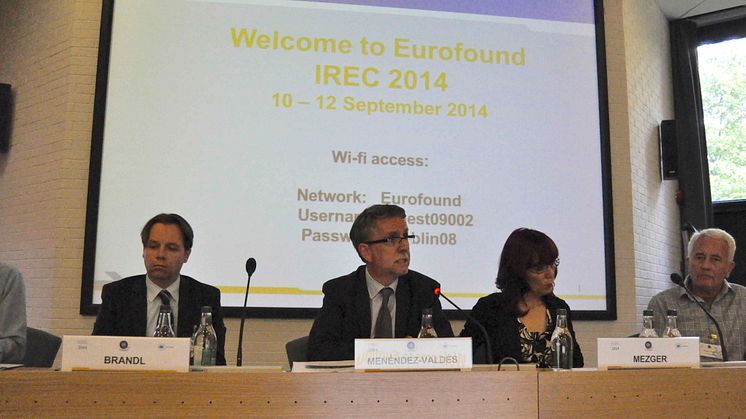
Eurofound hosts the 2014 annual Industrial Relations Europe Conference (IREC) between 11-12 September 2014. The event gathers Europe's leading Industrial Relations experts and researchers, sharing research findings and looking ahead to new perspectives for industrial relations, social and employment policies in Europe.
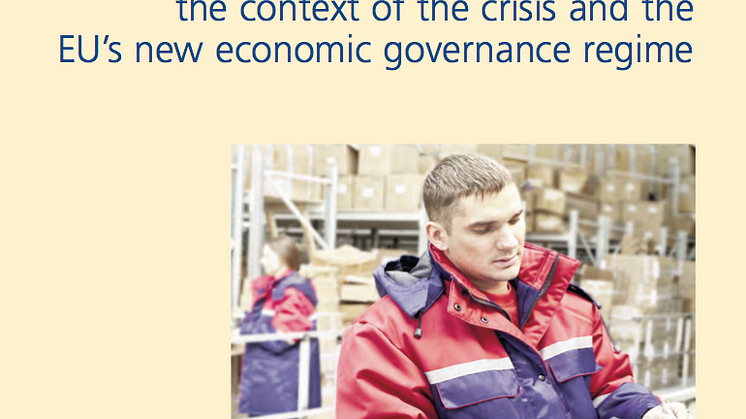
The crisis has triggered considerable changes in wage-bargaining regimes in a number of countries, further extending the existing tendency towards decentralisation in others. Eurofound launches today a report on 'Changes to wage-setting mechanisms in the context of the crisis and the EU’s new economic governance regime' at a lunch time debate with European Social Partners in Brussels, Belgium.
Part-time work facilitates a better work–life balance – particularly, it seems, for people aged 50+. Among people aged 50+, both in and out of employment, there is a preference for more part-time options. Today we launch our new Foundation Findings - 3EQLS Policy Brief - on Work preferences after 50.

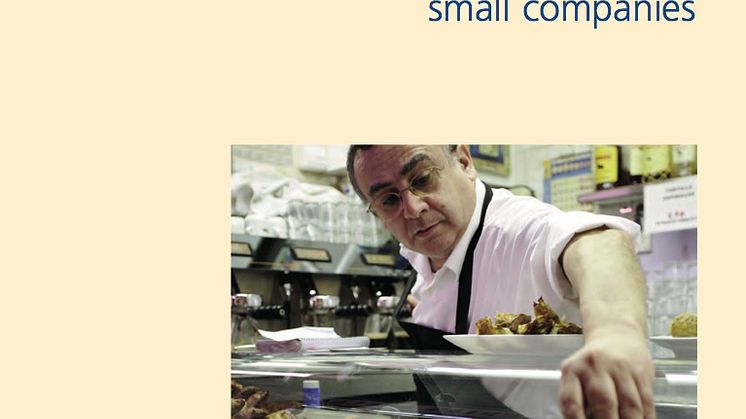
Micro and small companies constitute the backbone of private business in Europe. Despite their crucial place in the economy, there has been little research on role of social dialogue for good working conditions, and implementing health & safety at the workplace, in micro and small companies. Eurofound's new report out today is about to change that.
Eurofound publishes a report which looks at families in the economic crisis, and outlines relevant kinds of policies and services that can best protect families from the risks of poverty and social exclusion, in such areas as social protection benefits, housing, childcare and healthcare. The findings are presented at a Greek EU Presidency conference in Athens, Greece, today 29 April.

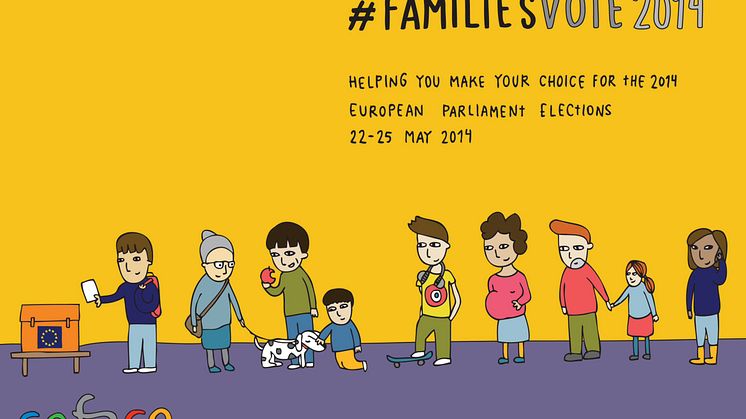
What can the European Union do for families in terms of improved well-being, work-life balance and care? The countdown is ON for the #FamiliesVOTE2014 debate 13:00 - 15:00 CET on 28 March, aimed at helping families make the choice for the 2014 European Parliament elections #EP2014..