





Is teleworking taking off?
Smartphones and mobile technologies are increasingly important in our everyday lives; by expanding opportunities to telework, have they also transformed the world of work?
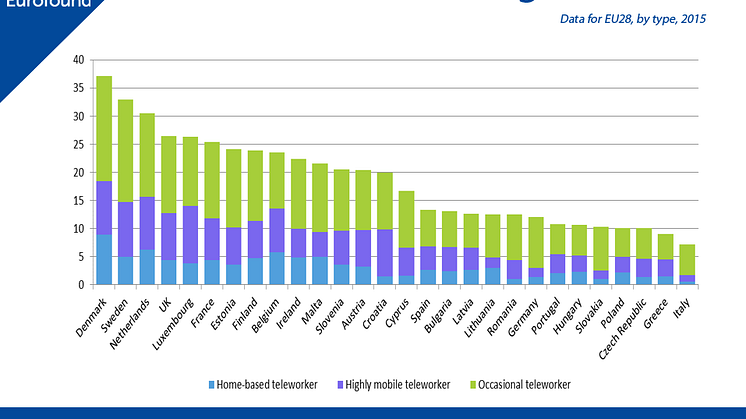
Smartphones and mobile technologies are increasingly important in our everyday lives; by expanding opportunities to telework, have they also transformed the world of work?
It seems that social structures are hardening. As the modernisation of economies subsides, fewer new jobs are being created at the higher occupational levels, and this is curtailing upward mobility.
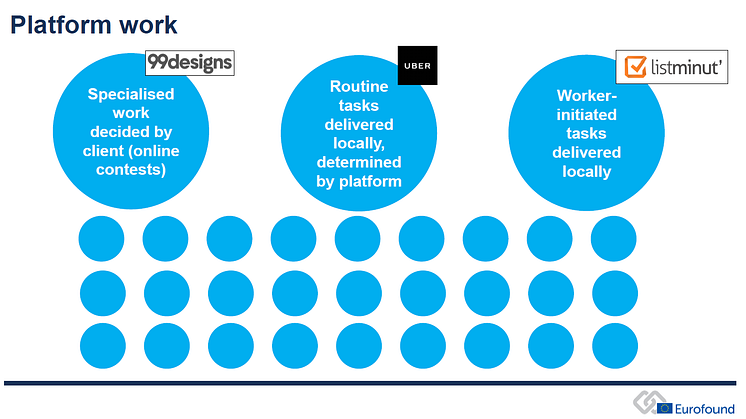
@JuanMenendezEF presents #eurofound latest research findings on #platform #work and employment conditions at the informal #EPSCO #eu2018at today 19 July 2018
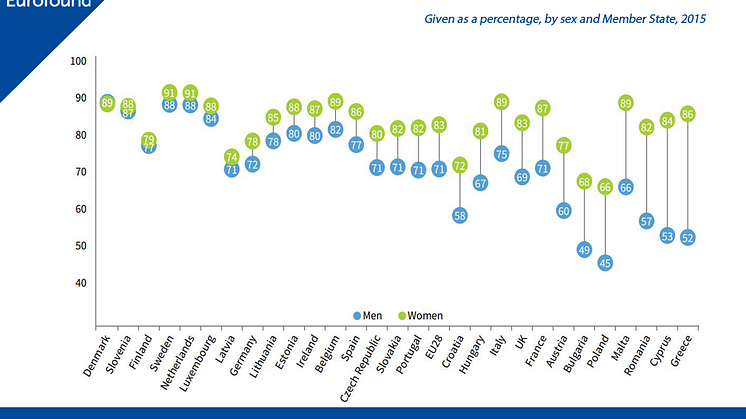
It is well known that women take more responsibility for the care of their children than men. According to the 2016 EQLS, 88% of mothers compared to 64% of fathers in the EU care for their children every day. These fathers estimate they give 21 hours a week to the care of their children, while the mothers dedicate 39 hours per week.
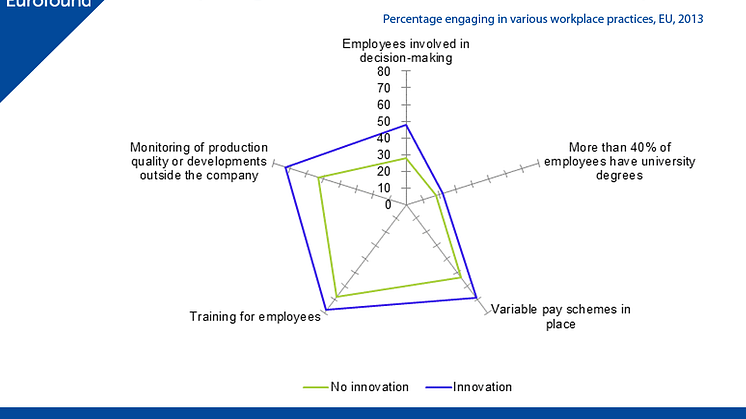
Companies that encourage their employees to participate in broad decision-making around operations or strategic direction can not only improve job satisfaction, but also increase levels of innovation.
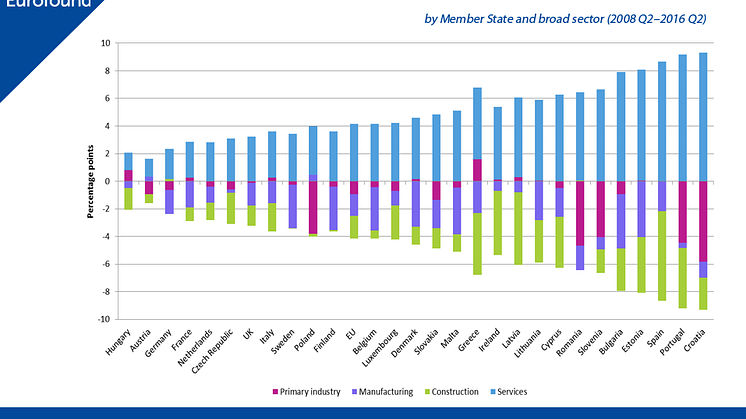
Employment is at its highest level ever in the EU, and the employment recovery is now well-established in Europe. But is it being felt in all countries?
The number of people active in the labour market is at an all-time high, ratings for key public services are increasing and there is a marked recovery in trust in national institutions in many Member States, these developments are detailed in Eurofound’s latest Living and working in Europe yearbook for 2017.

Invitation to 'Future jobs - current challenges: Cedefop 2018 Skills forecast' launch event, in Brussels on 8 June 2018

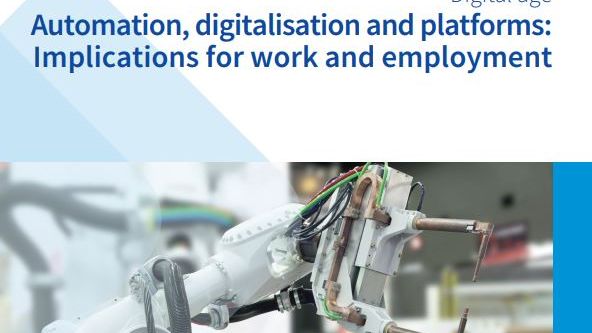
The onset of the digital revolution has resulted in technological advances that are constantly evolving. This report reviews the history of the digital revolution to date, placing it in the context of other periods of marked technological advances and examining how technological change interacts with changes in institutions.
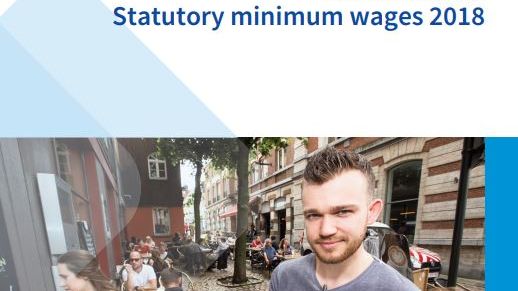
Increases to minimum wages have gathered pace since 2010, with the highest increases recorded in countries which had the lowest minimum wages. However a large gap remains, with minimum wage workers in Bulgaria, the country with the lowest statutory minimum wage, earning just one-eighth the salary of minimum wages workers in Luxembourg, which has the highest rate.
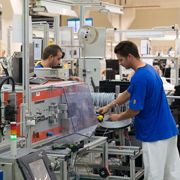
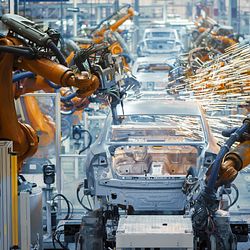
The new report Game changing technologies: Exploring the impact on production processes and work summarises the findings of five case studies on the likely impact of game changing technologies on production and employment in the manufacturing sector in Europe up to 2025.

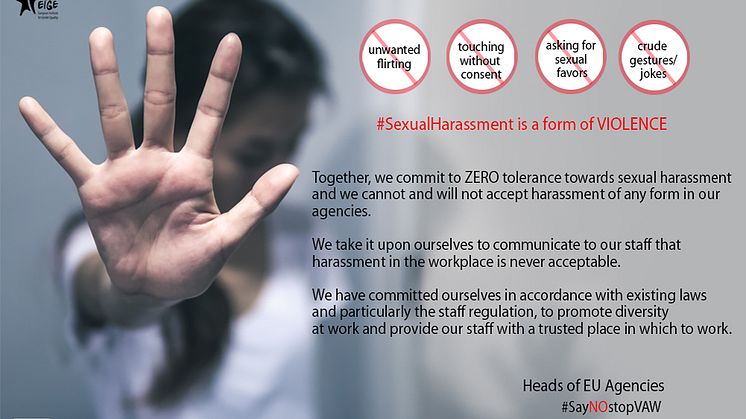
The Heads of the EU Agencies have pledged to communicate to their staff that harassment in the workplace is not acceptable, to ensure respect for existing laws and the staff regulation, to promote diversity at work, and to provide a trusted environment in the workplace.