





Eurofound adopts ambitious work programme for 2020
Eurofound’s Management Board has adopted an ambitious work programme for the organisation for 2020, the last of the current multiannual programme for 2017-2020
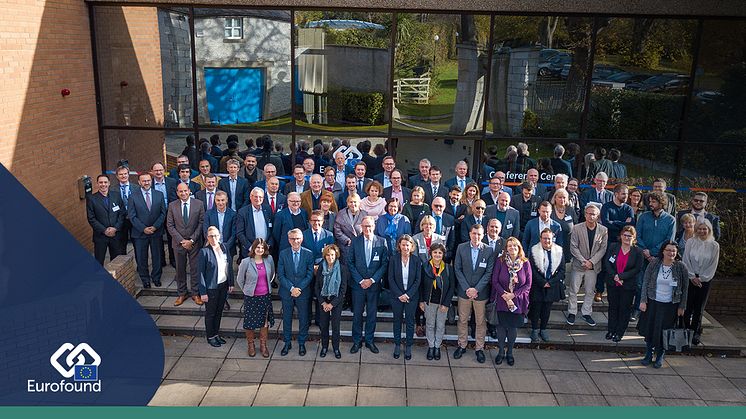
Eurofound’s Management Board has adopted an ambitious work programme for the organisation for 2020, the last of the current multiannual programme for 2017-2020
As Malta celebrates its Independence Day, we mark the day by sharing our research data, findings and analysis to provide a snapshot of living and working conditions in Malta today. Eurofound has been monitoring and reporting on the improvement of living and working conditions in Malta, in comparison to the other EU Member States, since before accession to the EU.

As citizens across the EU prepare to cast their vote in the European elections, the latest Living and working in Europe report from Eurofound looks at how work and life has changed in the EU since 2015.
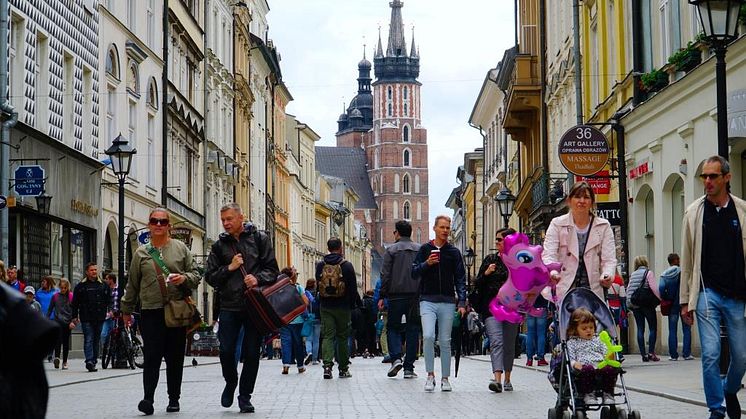
Despite differences in economic structure, labour markets and development, a pioneering study of the working conditions and job quality of 1.2 billion workers finds common concerns and challenges across 41 countries and four continents, according to a new report from the International Labour Organization and Eurofound.

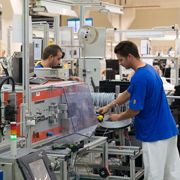
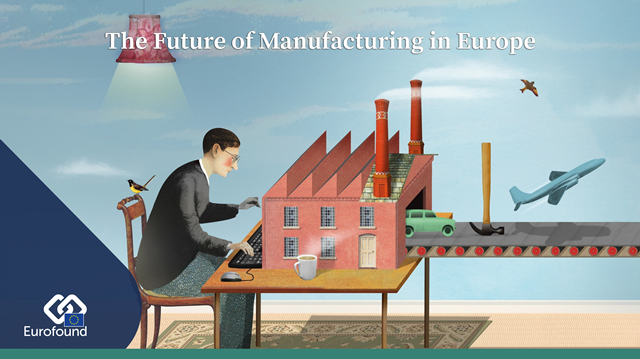
Manufacturing is set to be core to Europe’s future. More jobs will be created and growth will increase if certain economic and industrial changes are well managed over the coming years, according to new research from Eurofound.
The EU, China, the US, Mexico and Canada, are projected to suffer economically from the re-emergence of economic protectionism, and a significant increase in trade tariffs. In the case of the EU, the bloc would experience a 1% contraction in GDP, a 0.3% lower rate of employment, and a 1.1% decrease in imports by 2030, compared to a ‘no new tariffs’ baseline scenario.

On 26 May 1975 the Council passed Regulation (EEC) No 1365/75 on the creation of a new Agency that would aim to contribute to the planning and establishment of better living and working conditions. Now, almost 44 years later, the Founding Regulation of Eurofound gets a 21st Century update.

Implementing a living wage could play a significant role in offsetting the rise of in-work poverty across the European Union, according to a new report from Eurofound on the Concept and practice of a living wage in the EU.

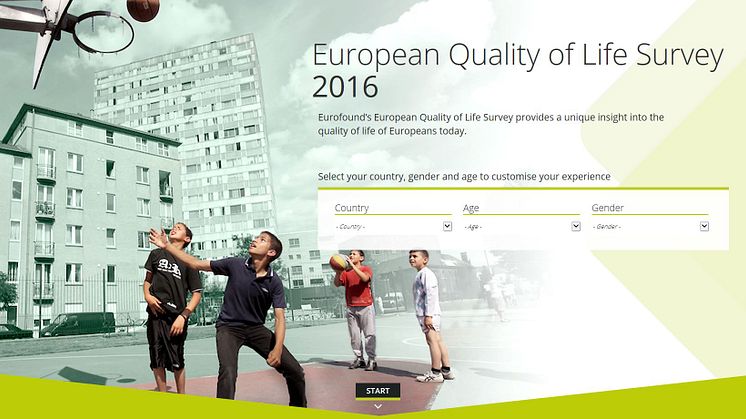
Results from Eurofound’s 2016 European Quality of Life Survey (EQLS) show general progress in the three key areas - quality of life, quality of society and quality of public services. Nevertheless, there remain signs of persisting inequalities and rising uncertainties in some areas with particular differences apparent between countries, gender, age and income groups.
The Foundation Forum is Eurofound’s flagship event, aimed at reaching high-level policymakers in the field of social, employment and work-related policies. The event takes place in Dublin on 14-15 November 2017.
The expanding use of digital technologies such as smartphones, tablets, laptops and desktop computers for work for home and elsewhere is rapidly transforming the traditional model of work. It can improve work-life balance, reduce commuting time, and boost productivity, but it can also potentially result in longer working hours, higher work intensity and work-home interference.

Eurofound has launched its new work programme for 2017 to 2020. This document sets out the activities the Agency plans to undertake in the next four years to support European decision-makers in formulating effective policies for the improvement of quality of life and work in a fair and competitive Europe during this challenging period.