Living and working in Europe: A compendium of life before the Coronavirus
The latest Living and working in Europe yearbook provides a snapshot of life and work in Europe before the onset of the Coronavirus (COVID-19).
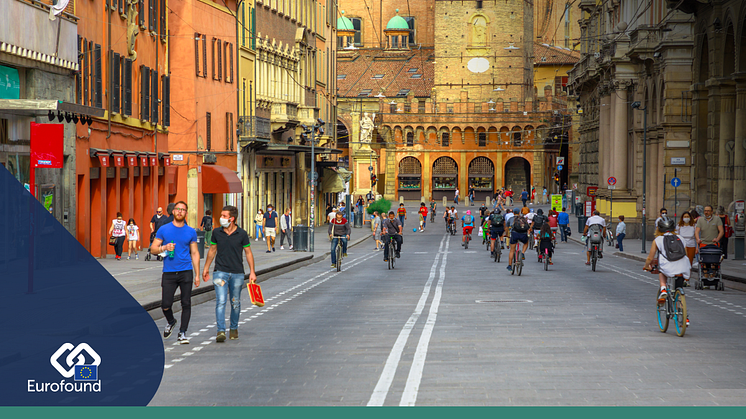
The latest Living and working in Europe yearbook provides a snapshot of life and work in Europe before the onset of the Coronavirus (COVID-19).
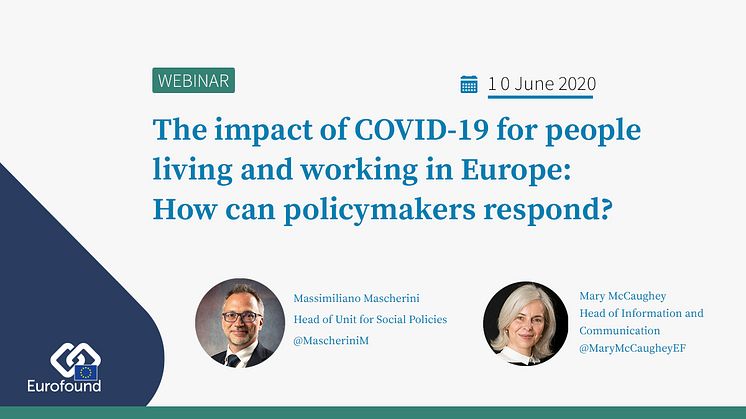
Join us on 10 June for a live #AskTheExpert webinar and Q&A with @MascheriniM and @MaryMcCaugheyEF about #COVID19SurveyEU findings to discuss why particular groups of people are feeling the impact more than others and explore the policy options to help address these challenges.
Statutory minimum wages were raised in most EU countries for 2020 – in many even substantially, such as in Poland 17%, Slovakia 12%, and Czechia 11% - according to Eurofound’s ‘Minimum wages in 2020: Annual review’ published today.
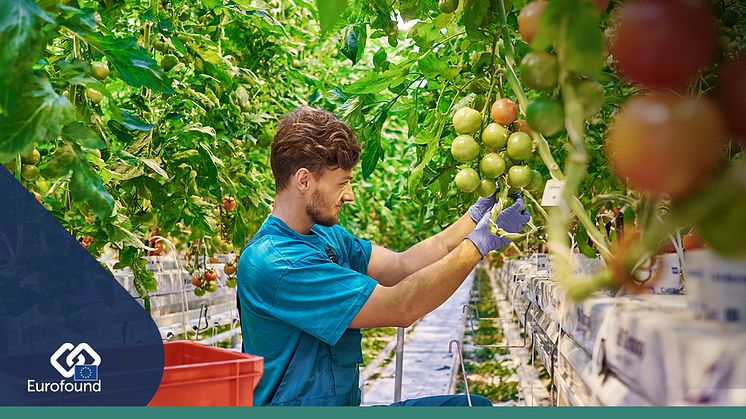
Trust in Slovakian national government on a par with EU average during COVID-19 crisis.

Trust in institutions such as the news media, national government, European Union, healthcare system and Gardaí has remained comparably high in Ireland during the COVID-19 pandemic, despite dropping levels of trust across Europe.

On Europe Day 2020, the EU institutions want to pay tribute through numerous online activities to the many Europeans who, in a spirit of solidarity, are helping our Union get through the coronavirus crisis.
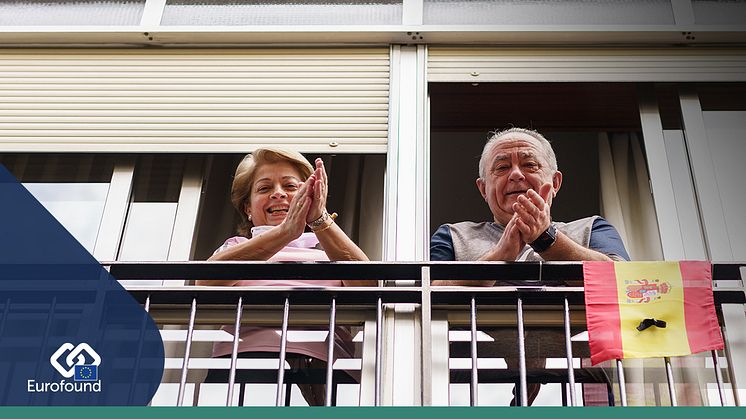
The first results from Eurofound’s Living, working and COVID-19 online survey show a Europe grappling to respond to the crisis caused by the COVID-19 pandemic with many respondents reporting high levels of loneliness coupled with low levels of optimism about their future.

The Coronavirus (COVID-19) could expose existing shortcomings in employment arrangements and social protection in Europe, particularly for some workers in non-standard employment and vulnerable self-employed groups – who are more likely to be at risk of poverty and the impacts of economic shocks.

The coronavirus (COVID-19) pandemic presents unprecedented health, social and economic challenges for Europe, and has profound implications for the way people live and work across the globe. One of the changes that it is already having is the proportion of people working from home.

People aged 25-34 are most likely to be in arrears in the EU, according to Eurofound’s new report on Addressing household over-indebtedness. Among this age group, 21% of people surveyed in the 2016 European Quality of Life Survey reported being in some form of arrears.
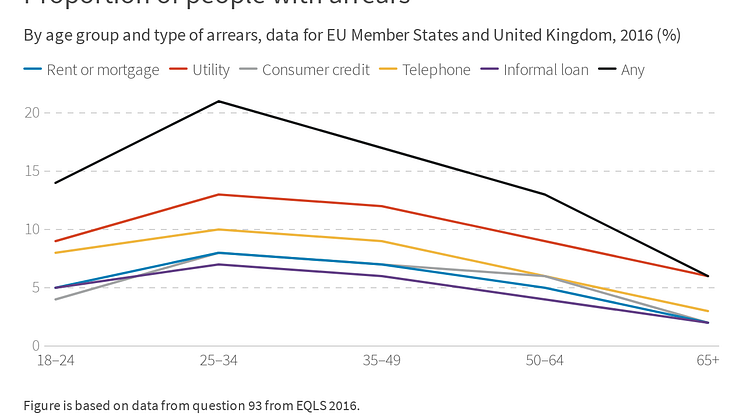
The coronavirus (COVID-19) crisis, and the economic and social challenges that it entails, comes at a time when many vulnerable groups in Europe were already exposed to debt and arrears, according to Eurofound’s new research on household indebtedness.

Hungary has recorded a remarkable improvement in the level of labour market participation over the last decade and unemployment rates have fallen to some of the lowest levels in the EU. At the same time, life satisfaction in Hungary has increased from 5.9 in 2003 to 6.5 in 2016 and the share of population struggling to make ends meet has been on a downward trajectory.

Today, the European Commission presented its strategy for equality between women and men in Europe. The Gender Equality Strategy 2020-2025 sets out key actions for the next 5 years and commits to ensure that the Commission will include an equality perspective in all EU policy areas.
Gender equality is a critical component of economic growth and social rights in Europe. In this light, the EU ha
Bulgaria has experienced seismic shifts in typical household composition over the last decade; reporting the largest decrease in the share of multigenerational households in the EU, as well as increasing levels of cohabitation and people living alone. These societal trends occur at the same time as improving quality of life, higher labour market participation rates and population ageing.

The new von der Leyen Commission took office on 1 December 2019. Having adopted its first work programme on 29 January 2020, the Commission sets out its plans for a transition to a fair, climate-neutral and digital Europe. It outlines six top priorities. Eurofound’s work directly feeds into a number of these key areas aimed at creating a strong social Europe.

A new analysis of EU-level data by Eurofound shows that one in three households in the EU is now single occupancy. Germany now has the largest proportion of the population living in single-person households, and large increases in the share of the population living alone have been reported in Lithuania and Bulgaria.
Europe’s economy, and particularly the economy of rural Europe, may have it all to gain from a low-carbon transition, but getting everyone on board could turn out to be the greatest challenge.

We hear more and more about the platform economy, with the debate often revolving around the potential long-term implications of its growth on the labour market and the impact on traditional and established businesses and industries. There has been increasing calls for a legislative response at European and national level, but what information do we have for evidence-based policy making?

As one of their ‘100 days in office’ initiatives, the new European Commission intends to propose an initiative for an EU minimum wage. The aim is that by 2024 every worker in the EU should earn a fair and adequate wage, no matter where they live. And despite the Commission’s assurance that this would not alter national traditions of wage-setting, emotions are already running high

A common understanding of labour market segmentation is necessary to tackle poor quality jobs with lack of opportunities, affecting especially young people, women, immigrants and lower-educated individuals on the labour market. A new ambitious report explores why segmentation is problematic and identifies policy approaches which could be helpful in tackling this phenomenon.