Skip to content

Topics: Gender equality

  • Evidence-based research is fundamental to gender equality in Europe

    Ahead of International Women’s Day on 8 March we invite you to explore the issue of gender equality in depth, to read about the different areas in which gender equality is most urgently needed. Eurofound assists in the development of better social, employment and work-related policies for all EU citizens and those that call Europe home.

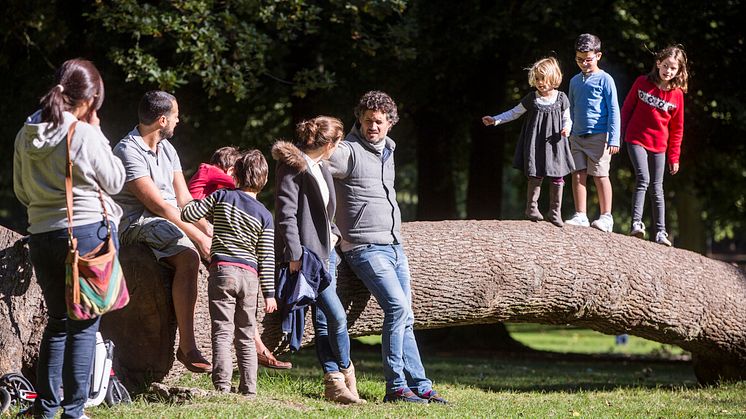
  • Recent developments in work–life balance in Finland

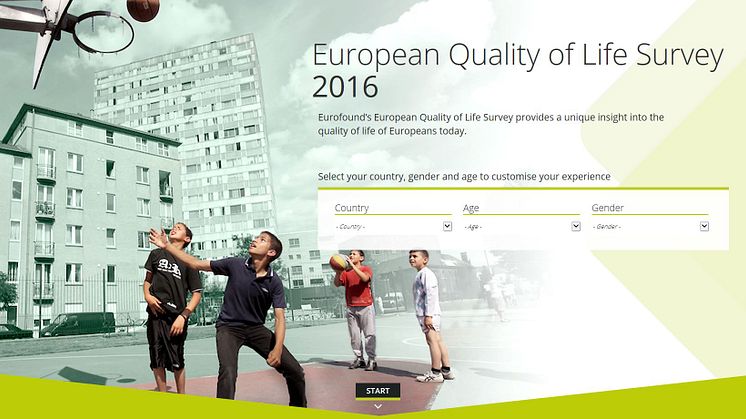
    ​The European Quality of Life Survey explores a variety of aspects related to living standards, health, family and work–life balance, as well as people's happiness levels, and their perceptions regarding the quality of their society. The latest survey results for Finland paint a generally positive picture of the country in 2016, just a year before the 100th anniversary of its independence.

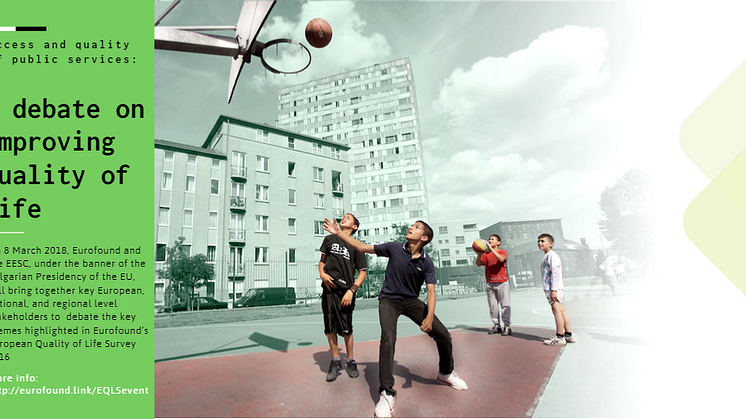
  • Save the Date 8 March: Access and quality of public services, a debate on improving quality of life

    ​On 8 March 2018, Eurofound and the European Economic and Social Committee, under the banner of the Bulgarian Presidency of the EU, will bring together up to 80 representatives of the social partners, EU institutions, national and regional representatives, civil society, and academics in Brussels to debate the key themes highlighted in Eurofound’s ​European Quality of Life Survey 2016​.

  • Publication Alert: EQLS overview report

    ​The overview report for the latest European Quality of Life Survey is now online. Nearly 37,000 people in 33 European countries were interviewed in the last quarter of 2016 for the fourth wave of the European Quality of Life Survey. This overview report presents the findings for the EU Member States.

  • Quality of life improving in Europe, but progress undermined by persisting inequalities and growing uncertainty

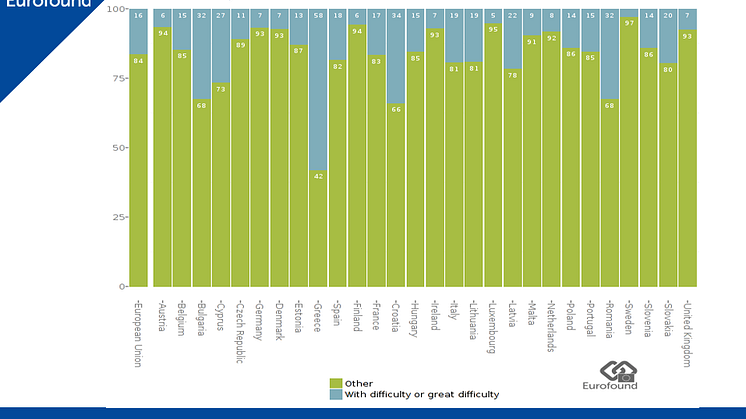
    Results from Eurofound’s 2016 European Quality of Life Survey (EQLS) show general progress in the three key areas - quality of life, quality of society and quality of public services. Nevertheless, there remain signs of persisting inequalities and rising uncertainties in some areas with particular differences apparent between countries, gender, age and income groups.

  • Pay inequalities come back into focus in post-crisis Europe

    Friday 3 November is European Equal Pay Day. In the following blog piece Christine Aumayr-Pintar looks at the issue of pay inequality, contending that far from being a fair weather issue, addressing pay gaps should be an ongoing priority for Europe.

  • Rethinking working time in Europe

    Working time is more than just clocking in and clocking out. ​In this blog piece, originally published in ​Social Europe, Jorge Cabrita looks at three reasons why working time in Europe should follow a life course perspective.

  • Four out of five workers in Europe happy with working time ‘fit’

    81% of workers say their working hours fit well, or very well, with their private life obligations. However men continue to have longer working hours (on average 6.5 hours per week more than women) and report more difficulties adapting working time to family life or other commitments.

  • Estimating labour market slack in the European Union

    Labour market slack is the shortfall between the volume of work desired by workers and the actual volume of work available. The aim of this report is to develop a more nuanced estimate of labour slack using EU Labour Force Survey data, which allows involuntary part-timers and inactive people with some labour market attachment to be identified and quantified.

Show more