JYSK reaches important goal for textile products
From 1 January 2025, all newly purchased cotton used in JYSK's textile products is from more sustainable cotton production instead of conventional cotton.

From 1 January 2025, all newly purchased cotton used in JYSK's textile products is from more sustainable cotton production instead of conventional cotton.
For the financial year 2023/24, JYSK delivered an EBIT result of DKK 4.43 billion (EUR 594 million) and increased its turnover to DKK 41.4 billion (EUR 5.6 billion). The global home furnishing retailer invested in lowering its already competitive prices on over half of its popular quality products and set a new customer record.
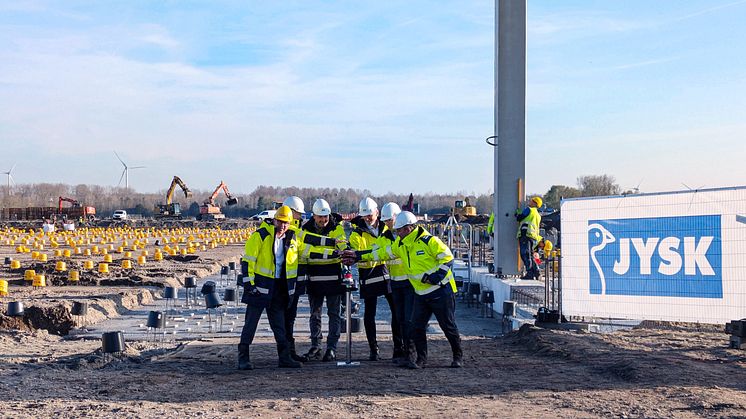
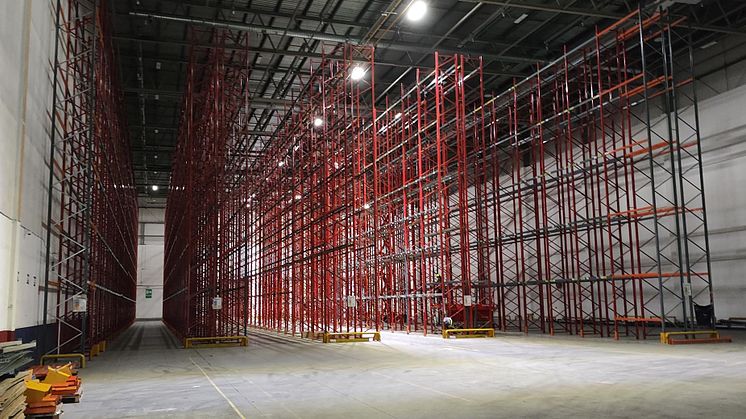
JYSK has reached a major milestone in the construction of its new distribution centre in Lelystad, near Amsterdam in the Netherlands with the first column now erected. This marks the first visible progress of the construction of the 147,000-square-metre, highly automated facility.
The internationally acclaimed Science Based Targets initiative (SBTi) has approved JYSK's greenhouse gas emissions reduction targets in accordance with the Paris Agreement. The greatest impact will come from reducing emissions in the production of products.
The honour from Forbes is following another JYSK recognition from Forbes as well as a recognition from TIME Magazine earlier this autumn.

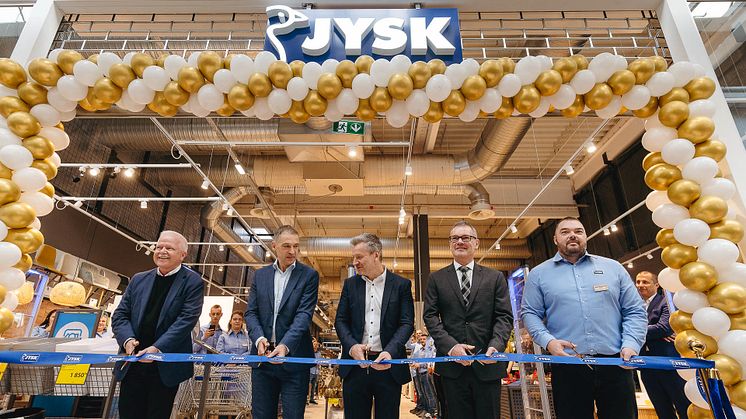
On Thursday, October 24th at 9:00 AM, JYSK made history in Hungary with the opening of store number 100. The opening was celebrated with speeches and festivities across the country, where JYSK has been operating since 2005.
JYSK wants to get closer to customers, and this also includes the logistics setup, where JYSK introduces a dark store concept. The first two will open in Ireland and Morocco.
For the third time, the renowned business magazine has included JYSK on its list of the World’s Best Employers for 2024.

The international home furnishing retail chain stays committed to supporting the Ukrainian JYSK organisation and the rebuilding of the country with investments in new stores and local job opportunities.
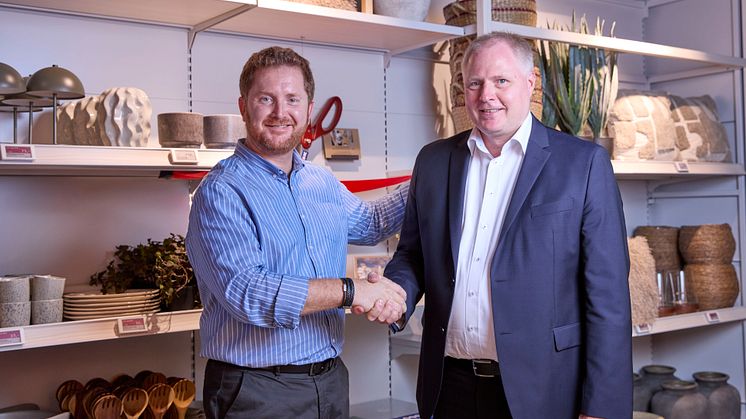
In the spring of 2025, Antelo Group plans to open the first JYSK franchise store in Uruguay, which will also be the Scandinavian company’s first introduction to South America.
The turnover for JYSK increased by 7.6 per cent reaching DKK 41.4 billion (EUR 5.6 billion) for the financial year 2023/24. At the same time, the number of new customers increased with 11.9 million driven by great offers within Scandinavian sleeping and living.
The world-known magazine has JYSK on its list of the world’s best companies.
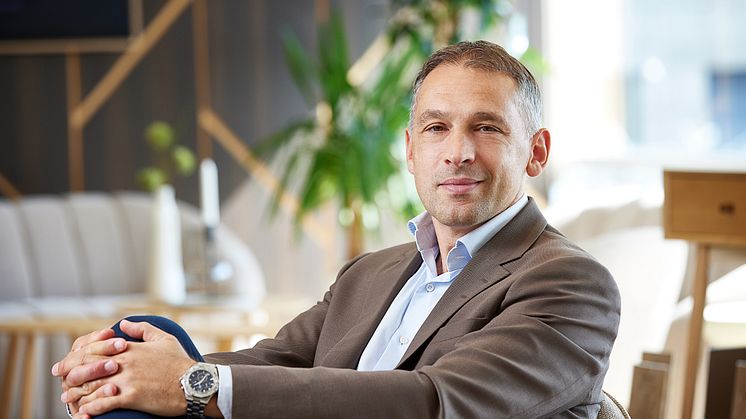
On Friday 30 August 2024, President and CEO of JYSK, Rami Jensen, celebrates his 50th birthday. This year, he also celebrates 30 years since he started his career in JYSK as an apprentice in Esbjerg, Denmark.
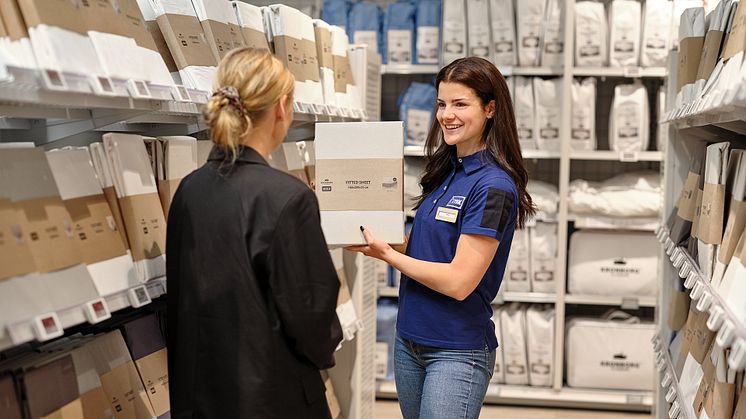
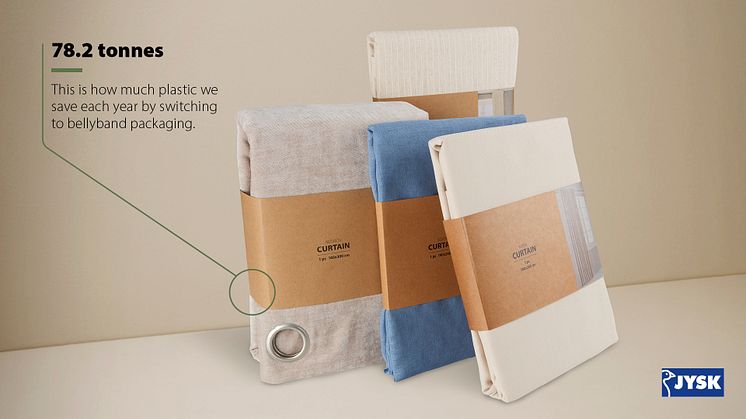
With a change from plastic packaging to cardboard bellybands on ready-made curtains, JYSK will save another 78 tonnes of plastic every year. The change is part of JYSK’s strategic work to reduce the use of plastic.
During May 2024, the global home furnishing retailer JYSK will mark EU Diversity Month with an inclusive video and employee stories highlighting the importance of diversity and inclusion in the workplace and society in general.
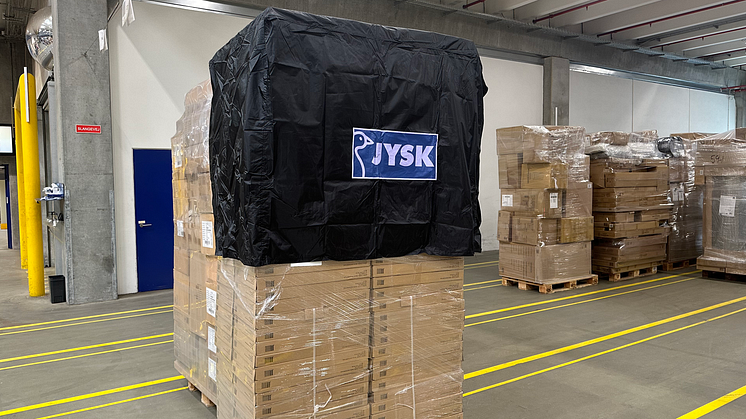
JYSK introduces new pallet covers, which are better for the environment.
JYSK has chosen Willy Naessens Netherlands as contractor for the global home furnishing chain’s new distribution centre in the Netherlands. The family-owned construction company will manage the complete construction, which will be certified according to the international sustainability standard LEED.

The global home furnishing chain JYSK continues to expand on the Polish market and opened its 300th store on 10 April 2024. The goal is to reach 500 stores in Poland.
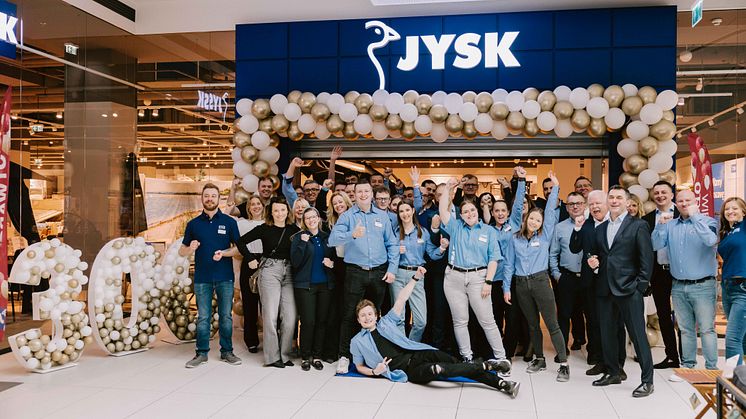
On 2 April 2024, it is 45 years since Lars Larsen, also known as the Tradesman, opened the first JYSK store in Denmark. Five years later, he also opened in Germany, which has since grown to be the largest market for JYSK.
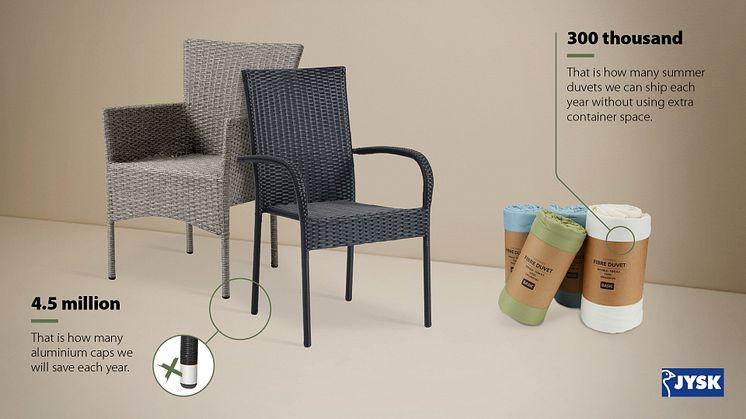
JYSK is implementing new production and packaging initiatives that reduce the use of aluminium by 22 tonnes and the needed freight space equivalent of 40 shipping containers annually.