Gå videre til innhold

Siste nytt

  • Autonomous Gliders in the Quest for Ocean Biodiversity - the eDepthNA project


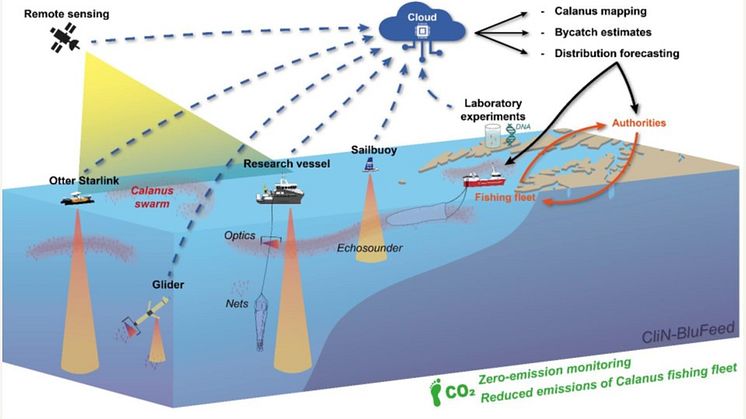
    Environmental DNA (eDNA) refers to genetic material shed by organisms into their surroundings, such as water, through skin, faeces, mucus, or blood. It enables scientists to detect species and assess biodiversity without the need to capture organisms directly.

    Typically, in marine pelagic systems eDNA is collected by filtering water samples. In most cases, this requires researchers to t

  • KAMPANJE - informasjon om sjøfugl ved oppdrettsanlegg

    I begynnelsen av juni inviteres folk langs hele kysten til å bidra i et nasjonalt forskningsprosjekt om samspillet mellom sjøfugl og havbruk.
    Denne uken starter en kampanje for å registrere sjøfugl ved oppdrettsanlegg. Kampanjen er en del av FHF-prosjektet FUGLEBLIKK som er ledet av Akvaplan-niva ved Fredrik R Staven. I kampanjen som skal pågå systematisk i første uka av juni, så oppfordres b

  • Reading the ocean's hidden animal communities - one DNA snippet at a time


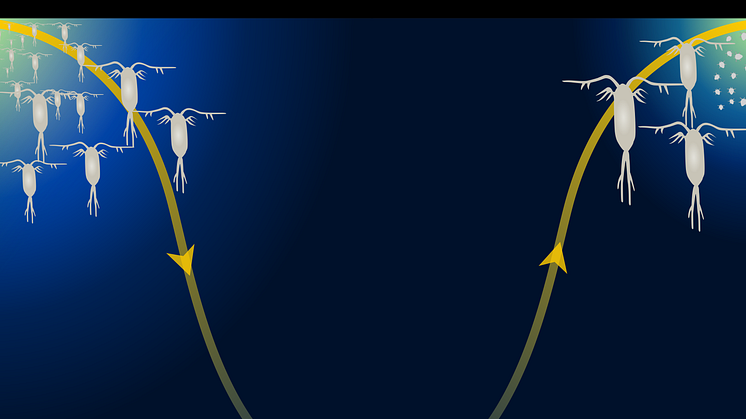
    Zooplankton — tiny drifting animals like copepods, krill, and jellyfish — are the engines of ocean food webs. They connect microscopic algae to fish, whales, and seabirds, and play a huge role in moving carbon from the surface ocean to the deep sea. Monitoring these communities is therefore critical for understanding how ocean ecosystems are responding to climate change. Collecting zooplankto

  • Sea4Health prosjektet inviterer til workshop for tang og tareaktører i Tromsø

    Sea4Health-prosjektet inviterer til en workshop for næringsaktører. Arrangementet er lagt back-to-back med Norwegian Seaweed Cluster sin klyngesamling i Tromsø i september.
    Sea4Health er et tverrfaglig forskningsprosjekt finansiert av Norges Forskningsråd. Prosjektet, som ledes av Akvaplan-niva ved Xinxin Wang, skal studere tang og tare som bærekraftig matkilde — fra dyrking og prosessering til

  • Merete Nygaard Kristiansen fratrer som administrerende direktør i Akvaplan-niva AS

    Merete Nygaard Kristiansen fratrer som administrerende direktør i Akvaplan-niva AS etter enighet med styret.
    Bakgrunnen er et felles ønske om å legge til rette for neste fase i selskapets utvikling, og partene er enige om at tidspunktet nå er godt.
    Instituttsektoren står midt i, og sannsynligvis foran, betydelige omstillinger fremover. Styret i morselskapet NIVA ønsker å se en tettere samhan

  • Rapidly melting Antarctic ice shelves may cause global sea levels to rise faster than expected – new study

    PRESS RELEASE BY iC3 Polar Research Hub
    Global sea levels may rise faster than previously expected, a new study suggests. The reason is that warming oceans appear to be melting Antarctic ice shelves from below much more rapidly than expected.
    Ice shelves, which are extensions of gigantic glaciers that float on the water surface, act like buttresses that slow the flow of gigatons of ice in

    Antarctic ice shelf under a blue sky
  • Building Foundational Knowledge of the Central Arctic Ocean Ecosystem

    For the past 10 years, the Working Group on the Integrated Ecosystem Assessment of the Central Arctic Ocean (WGICA) has been dedicated to synthesizing knowledge on the Central Arctic Ocean (CAO) ecosystem. This is a joint working group under the umbrella of the International Council for the Exploration of the Seas (ICES, the North Pacific Marine Science Organization (PICES), and the Arctic Council

Kommende events

Sosiale medier

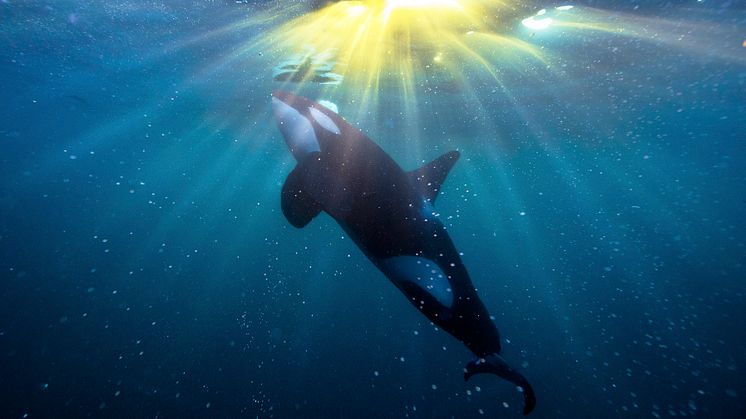
Today Thea Grunwald defended her Master thesis as part of the SLICE project led by Akvaplan-niva. The title of her thesis is: "Validation and Application of Ex Vivo Tissue Slices to Assess Cumulative Impacts of Chemical Pollutants and Stress on the Killer Whale (Orcinus Orca) Transcriptome" Congratulations!!! More about the SLICE project: https://akvaplan.no/en/project/slice/slice-moving-from-field-studies-to-ex-vivo-models-for-understanding-and-predicting-toxicological-responses-to-multiple-stressors-in-marine-mammals UiT Norges arktiske universitet

READING THE OCEANS HIDDEN ANIMAL COMMUNITIES - ONE DNA SNIPPET AT A TIME ZOOPLANKTON are the engines of ocean food webs and knowledge about these animals is important to understand ocean ecosystems. However, whilst the collection of zooplankton is simple and fast with nets, it is both time consuming and expensive to identify hundreds of species under a microscope. DNA METABARCODING offers a powerful alternative but metabarcoding involves dozens of different steps in the field and in the lab, and each step requires critical researcher input. In a new paper published, Akvaplan-niva researcher, Elizaveta Ershova-Menze and co-authors, presents the results from a systematically tests of THE MANY STEPS in working with eDNA methodology. Read more an find the article by following the link under comments. Havforskningsinstituttet/Institute of Marine Research (IMR), Norway Read more and find the link to the scientific article here: https://akvaplan.no/no/nyhet/2026-05-29/reading-the-oceans-hidden-animal-communities-one-dna-snippet-at-a-time-509866

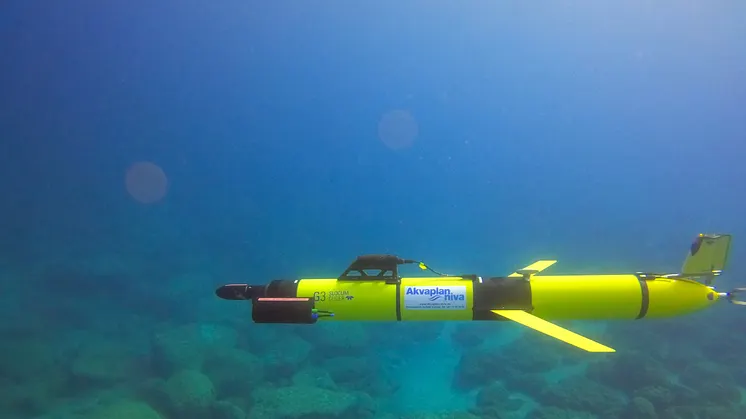
May 27-28th Akvaplan-niva and NIVA jointly participated at the Floating Wind Days in Haugesund, Norway. The event is organised by Norwegian Offshore Wind. Our environmental monitoring technologies and services were presented at a booth during the two days meeting. There was a special presentation of a newly purchased device, a long range electrical USV and an autonomous profiler. This technology was bought as part of the PROWIND project financed by the Infrastructure program in the Research Council of Norway/ Norges forskningsråd. The PROWIND project is led by NGI – The Norwegian Geotechnical Institute and partners are OsloMet - Oslo Metropolitan University, the Norwegian Institute for Water Research/Norsk institutt for vannforskning - NIVA, Akvaplan-niva and the The Marine Energy Test Centre (Norwegian Offshore Wind).

Hva gjør fuglene rundt merdene? Nå starter den praktiske registreringsdugnaden. Denne uken starter en kampanje for å registrere sjøfugl ved oppdrettsanlegg. Kampanjen er en del av FHF-prosjektet FUGLEBLIKK som er ledet av Akvaplan-niva ved Fredrik R Staven. Målsettingen med prosjektet og kampanjen er økt kunnskap om interaksjonen sjøfugl og oppdrett. I kampanjen så vil røkterne på merdkanten ha en viktig rolle. Prosjektdeltakere er Bjørøya AS, Mowi , Nord universitet og Artsdatabanken. Se video som forklarer hvordan de ansatte og vanlige folk ved anleggene enkelt registrerer observasjoner direkte i hverdagen. Jo flere lokaliteter som bidrar, desto bedre blir datagrunnlaget for hele sjømatnæringen. 🔗 Følg lenken og bli med på dugnaden: https://mobil.artsobservasjoner.no/contribute/submit-sightings?projectId=3868 FHF Fiskeri- og havbruksnæringens forskningsfinansiering

Forsker ved Akvaplan-niva, Fredrik Staven, har sammen med Torgeir Nygård fra Norsk institutt for naturforskning(NINA) undersøkt utviklingen i sjøfugl- og kystfuglbestandene på ti øylokaliteter i Flatanger, basert på tellinger fra 1991, 2016 og 2023. I områder med mye mink kan det gå hardt ut over bakkehekkende fugler. De ønsket å få svar på om målrettet minkjakt kunne bidra til å få fuglelivet tilbake i kystlandskapet. Studien viser at intensiv minkjakt kan gjøre en merkbar forskjell for fuglehekking. Norges Jeger- og Fiskerforbund (NJFF)

Akvaplan-niva har besøkt Amar Seafood sitt anlegg for flekksteinbit på Finnøy i Rogaland. Amar Seafood er partner i FHF-prosjektet OPTIFLEKK, hvor hovedmålet er å utvikle og forbedre protokoller for å sikre en stabil og forutsigbar produksjon av flekksteinbityngel. Dedikerte ansatte viste frem stamfisk og stamfisk-rekrutter, og vi fikk observere uttesting av et egenutviklet fôr til fisk i påvekstfasen. Foto: Lars Olav Sparboe/Akvaplan-niva. FHF Fiskeri- og havbruksnæringens forskningsfinansiering Prosjektpartnere OPTIFLEKK: Aminor As, UiT Norges arktiske universitet, Nord universitet

Kontakter