Blog post —
Material Choice Determines Product Quality: Avoiding Common Mistakes in Educational Laser Production
From wasted materials and inconsistent results to unnecessary rework, many laser production challenges can be traced back to a factor that is often overlooked: material selection. As schools, universities and makerspaces expand their use of digital fabrication technologies, choosing suitable laser materials is becoming increasingly important for quality, efficiency and learning outcomes.
When evaluating laser production processes, much of the attention is typically placed on the machine specifications, speed and software capabilities. However, the material being processed can have an equally significant impact on the final product.
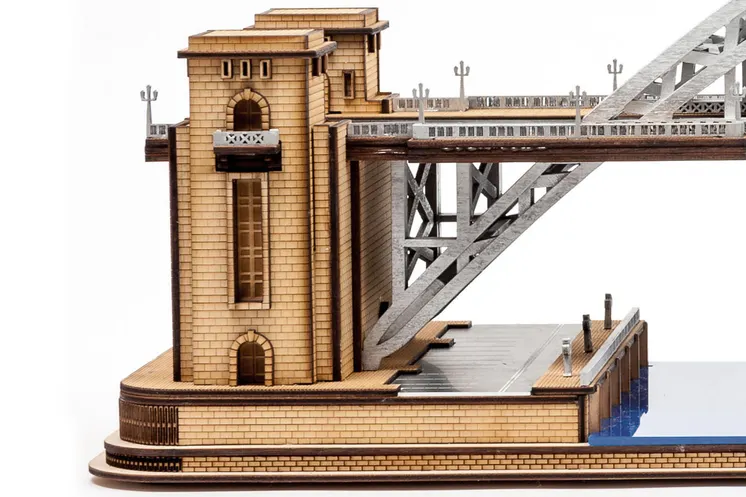
Whether producing architectural models, engineering prototypes, signage, product designs or creative projects, the quality and consistency of the material can influence engraving detail, cut quality, processing speed and overall production efficiency. Selecting suitable materials is therefore an important step for educational institutions seeking predictable outcomes, consistent production quality and efficient workflows.
Material quality affects more than appearance
One of the most common mistakes in laser production is selecting materials without confirming that they are suitable for the intended laser application. Choosing suitable materials can significantly influence engraving quality, contrast, edge finish and the overall appearance of the finished product. Unsuitable materials, by contrast, may compromise the result.
While low-cost alternatives may appear attractive from a purchasing perspective, they can introduce hidden costs through inconsistent engraving, poor edge quality, excessive residue, failed jobs and increased rework. Choosing suitable laser materials can help avoid production defects and reduce the amount of testing required. What initially appears to be a machine or operator problem may instead be related to the material.
For educational institutions, these challenges can quickly affect productivity and budgets. Schools, universities and makerspaces frequently operate with limited material resources while supporting large numbers of users with varying levels of experience. Material waste, repeated testing and unsuccessful projects can consume resources that could otherwise be invested in student learning and project development.
A student producing a prototype for an engineering project may require only a single sheet of material. When the same material-related problem occurs across an entire class, however, waste and rework can quickly accumulate. Effective material selection helps more projects succeed while reducing avoidable waste and making better use of available resources.
Material consistency rarely receives the same attention as machine specifications, yet it can have a significant influence on project outcomes. Even small variations between material batches may affect engraving quality, cutting performance and repeatability across a semester.
In architecture, design and engineering courses, repeatability is particularly important when multiple students are expected to produce similar components using shared equipment. Consistent material behavior helps simplify operation, improve project success rate and deliver more predictable results across different users and projects.
Reducing waste through suitable materials and settings
Determining suitable laser settings can also become a surprisingly time-consuming part of the production process. Trial-and-error testing consumes workshop time, while unsuccessful tests may increase material consumption and project costs.
To simplify this process, Ruby® laser software includes predefined laser parameters for Trotec laser materials. These parameters provide a tested starting point for engraving and cutting and can help reduce the amount of initial setup and testing required.
Trotec also offers a range of industrial laser materials developed for laser engraving and cutting applications. The portfolio includes acrylics, engraving laminates, wood products, paper-based materials and other materials intended for laser processing.
For organizations seeking to improve workflow efficiency, combining suitable materials with appropriate software parameters can reduce uncertainty during material testing and job setup.
Material selection is an important industry skill
Beyond production efficiency, material selection also plays an important educational role. Students pursuing careers in engineering, design, architecture and manufacturing need to understand how material properties can influence product quality, functionality and production performance.
Understanding the material impact on the final product is an important industry skill. It helps students make informed decisions about quality, cost, sustainability and manufacturability. Learning to evaluate materials also helps students distinguish between material-related issues and problems caused by machine settings or operation. Material selection is a consideration faced by manufacturers every day, and exposure to professional-grade materials can help students develop practical decision-making capabilities that are directly applicable in commercial environments.
As fabrication technologies become more widely adopted across schools, universities, and makerspaces, attention is gradually shifting beyond the laser machine itself. Materials, software, and workflow decisions all contribute to production quality, making material selection an increasingly important consideration for institutions seeking reliable and cost-effective outcomes.
By teaching material selection as part of the fabrication process and combining suitable materials with appropriate software parameters, educational institutions can reduce avoidable testing, improve engraving quality and help students achieve more repeatable results.