News —
£10 million secured for Bury Market as town centre transformation gathers pace
A £10 million investment in Bury Market has been secured following years of work by Bury Council and local partners – another major step forward in the transformation of Bury town centre.
The government funding, announced in the Budget, follows sustained efforts by the council to develop and submit proposals, champion the market and make the case for investment, alongside the campaigning of Bury North MP James Frith.
The successful bid builds directly on Bury’s long-term regeneration plans, to address the former Indoor Market Hall’s condition and enable its future use.
Since the council’s earlier cost estimates were prepared, updated guidance on managing RAAC and further technical work have helped inform a more targeted approach to the building, with the £10 million bid reflecting the investment now proposed.
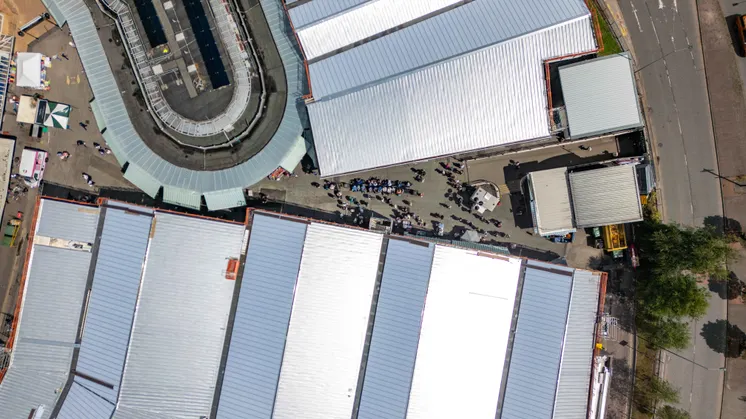
The investment will also support ambitions for new homes in the area south of the market, creating better links to shops, services and public transport. The Indoor Market Hall closed in October 2023 following the discovery of reinforced autoclaved aerated concrete (RAAC).
But Bury’s ambitions go well beyond one building. The council’s LET’S Do It! strategy, launched in 2020, set out a vision for stronger communities, thriving local businesses and investment in the borough’s six towns.
Bury’s 2022 town centre masterplan translated that ambition into proposals for the market, Mill Gate, better public spaces and new opportunities for residents, businesses and visitors – well before the Indoor Market Hall’s closure.
The £10 million is not the start of a new regeneration programme. It is the latest investment secured to accelerate a long-term plan already being delivered across Bury town centre. That progress is increasingly visible.
More than £33 million has been invested in the market area, including new outdoor market canopies and Casewells, the new food, drink and events venue opening in November.
Further investment is supporting the transformation of Mill Gate (for which more than £24 million was secured from the GMCA earlier this month) and surrounding public spaces, with consultation on the next phase of improvements expected in November. Plans for a new Bury Interchange are also progressing.
Together, these projects will better connect the market with the wider town centre, support inclusive growth by creating opportunities for local people and businesses, and give residents and visitors more reasons to shop, work and spend time in Bury.
Councillor Charlotte Morris, Cabinet Member for Regeneration and Growth, said: “Bury Market is the jewel in our town centre’s crown. Generations have shopped, traded and built businesses here, and we know how much people have missed the Indoor Market since its closure.
“We’ve worked hard to support traders through a difficult period while pursuing a long-term solution. Securing this funding has taken sustained work by the council, with the support of our Leader, Councillor Eamonn O’Brien, and James Frith’s campaigning in Parliament. It’s a fantastic result for Bury.
“LET’S Do It! has always been about building on what makes our towns special and turning ambition into action. Look around Bury and you can see that happening. This £10 million is more evidence that we’re doing it – but we’re not done.”
The council has continued to support Bury’s market community through a difficult period, helping traders affected by the Indoor Market Hall’s closure relocate to alternative premises, with refurbished units, relocation grants and financial assistance
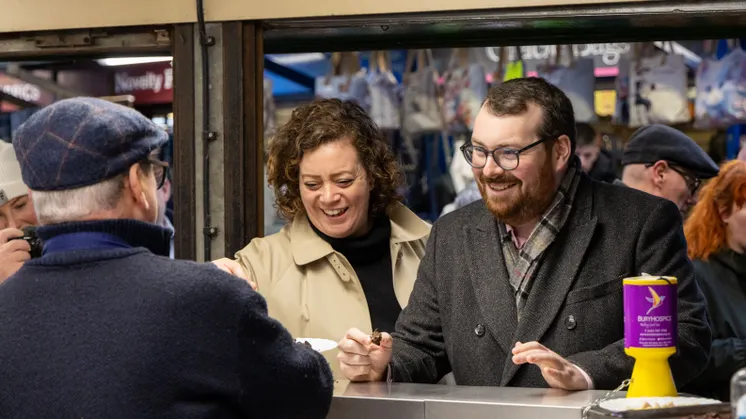
That commitment extends to celebrating the people who make the market special. Last week’s popular celebration with Gareth Baty, MasterChef: The Professionals Series 18 winner and Whitefield resident, organised by the council’s markets team alongside traders, again demonstrated the affection people have for Bury Market and the independent businesses at its heart.
The council will now consider options for bringing the former Indoor Market Hall back into use, informed by the needs of the wider town centre and the best use of public investment.
Market traders, residents, businesses and other stakeholders will have opportunities to contribute as those options are developed. No decision has yet been made about the building’s future use.