





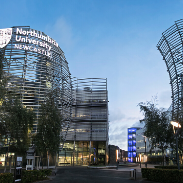






Northumbria University's IT recycling initiative recognised as national best practice
The equivalent weight of one and a half double-decker buses' worth of IT equipment has been given a second life by Northumbria University.
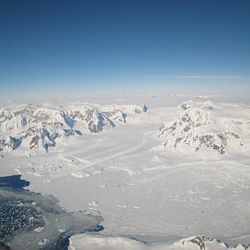
A new analysis of decades of research on the Antarctic Peninsula, involving experts from Northumbria University, concludes that the next ten years of climate action will decide Antarctica’s future for centuries to come.
Pioneering research led by Northumbria University shows how the renewable energy sector can scale-up the production of solar energy technology while further reducing environmental impacts.
Professor John Woodward of Northumbria University has been awarded The Polar Medal in recognition of his outstanding work and contribution to UK scientific knowledge of the polar regions.
Northumbria University has been rated as ‘1st class’ for sustainability and is once again the highest ranked university in the North East of England in the latest People & Planet University League table.
A Northumbria University research project has been highly commended at the 2025 Green Gown Awards – one of the most prestigious sustainability awards in the global education sector.
Research led by polar scientists from Northumbria University has revealed new hope in natural environmental systems found in East Antarctica which could help mitigate the overall rise of carbon dioxide in the atmosphere over long timescales.
Melt from ice sheets on Earth is already contributing to flooding across the globe and is expected to increase in the coming decades. Adaptation to reduce the destructiveness of future sea level rise is under way and depends critically, inch by inch, on the work of a newly-funded, international group of polar scientists.
Global fashion leaders gathered at Northumbria University to address textile microfibre pollution through a research collaboration with The Microfibre Consortium and Fashion for Good. The Behind the Break project analyses fibre shedding, emphasising science-led solutions and sustainable practices to mitigate environmental impact from textiles.
Researchers are set to shine a different kind of light on the farming industry after receiving funding to explore how fluorescent materials used in TV and phone screens can be used to detect the presence of pesticides and herbicides in food production.
Dr. Pete Howson from Northumbria University is researching the impact of UK spaceports on local communities and environments, advocating for ethical development in the burgeoning NewSpace industry while aiming to balance commercial opportunities with social justice and sustainability concerns.
Scientists have found evidence that the Asian continent was free of permafrost all the way to its northerly coast with the Arctic Ocean when Earth’s average temperature was 4.5˚C warmer than today, suggesting that the whole Northern Hemisphere would have also been free of permafrost at the time.