Northumbria University's IT recycling initiative recognised as national best practice
The equivalent weight of one and a half double-decker buses' worth of IT equipment has been given a second life by Northumbria University.

The equivalent weight of one and a half double-decker buses' worth of IT equipment has been given a second life by Northumbria University.
Northumbria University has been rated as ‘1st class’ for sustainability and is once again the highest ranked university in the North East of England in the latest People & Planet University League table.

A Northumbria University research project has been highly commended at the 2025 Green Gown Awards – one of the most prestigious sustainability awards in the global education sector.

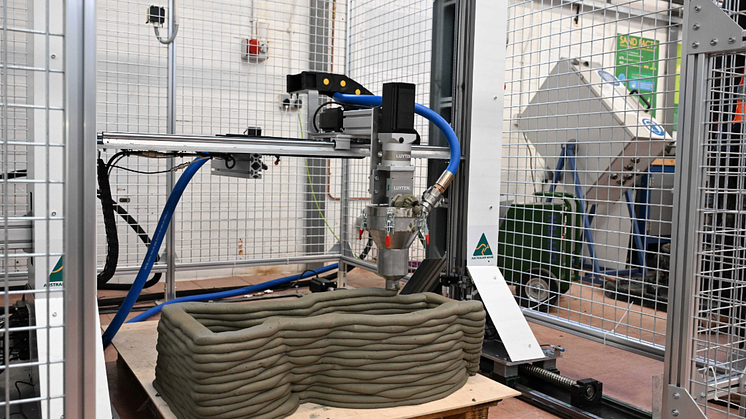
Northumbria University has been awarded a prestigious Marie Skłodowska-Curie Actions (MSCA) Fellowship to lead innovative research into low-carbon, 3D-printed construction materials.
Northumbria University researchers have developed a biodegradable battery, the BioPower Cell, winning the prestigious Green Product Award 2025. This eco-friendly battery uses organic materials, offering a sustainable alternative to conventional batteries, and can ultimately be repurposed as fertilizer, reducing waste.
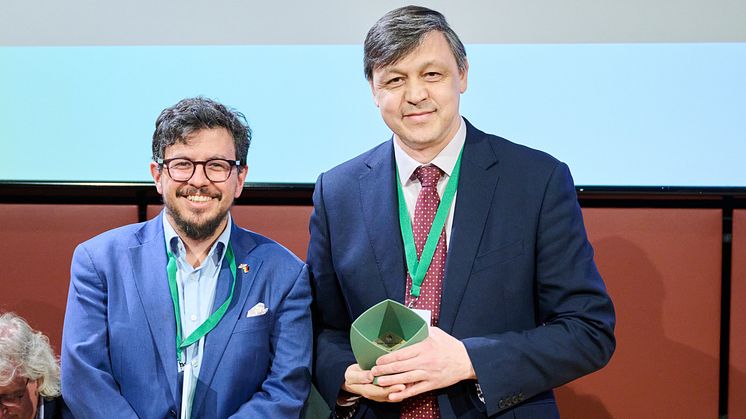
The team behind a circular economy initiative aimed at tackling plastic pollution, which includes experts from Northumbria University, is celebrating the launch of a toolkit designed to provide practical guidance on setting up recycling schemes across the world.

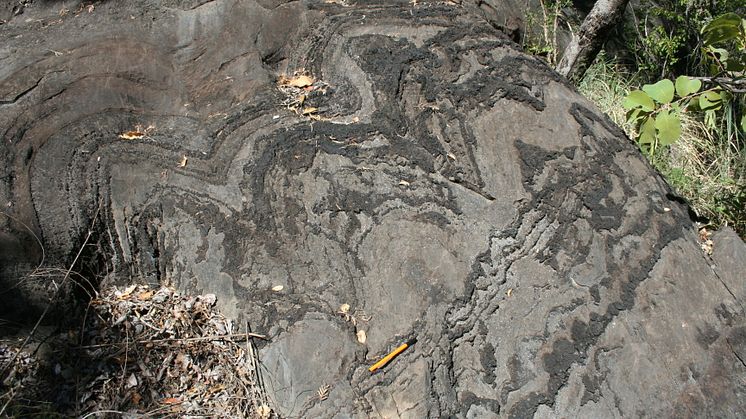
Analysis of fossilised rocks known as stromatolites from more than two-and-a-half billion years ago has provided new insights into the conditions on Earth before the evolution of oxygen.
Researchers will develop new ways to monitor carbon emissions from vast swathes of peatland after winning almost half a million pounds to develop new sensors that can be used in remote areas.

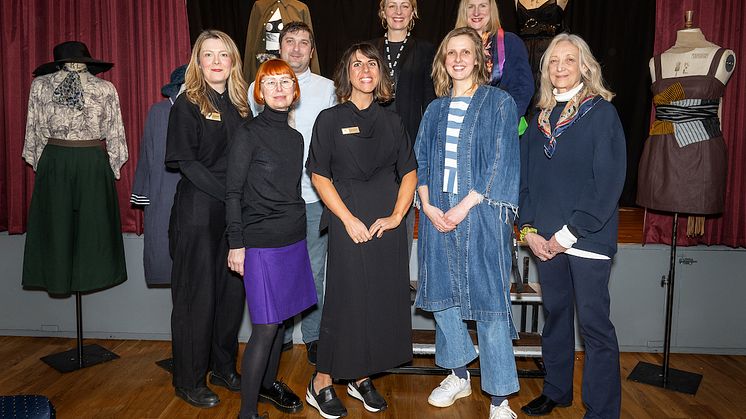
Staff and students from Northumbria University are helping to bring the work of a North East community regeneration project to life.
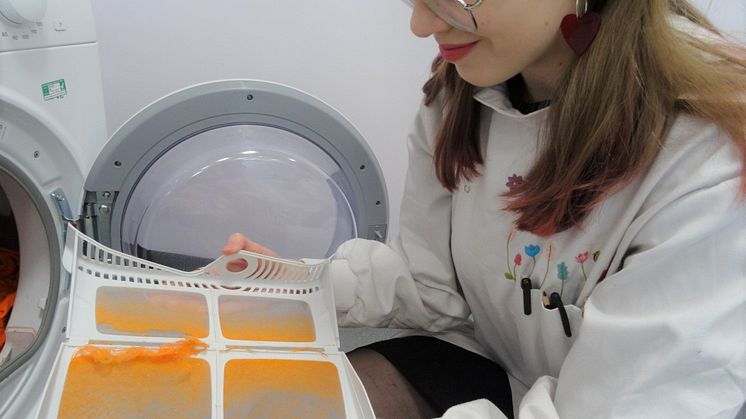
A new study has revealed that drying laundry using a condenser tumble dryer leads to hundreds of tonnes of potentially harmful microfibers being released into waterways and oceans across the UK and Europe.
A model sailing boat which represents a key part of a project working to banish single use plastics has embarked on a global tour that will help its message reach thousands more people and communities across the planet.

It’s just over a month since festival fever gripped Northumbria after the University partnered with the Design Council for the 2022 Design for Planet Festival. Almost 7,000 participants registered for the online event across two days in November, providing more than 40 virtual events and live broadcasts, to coincide with COP27.
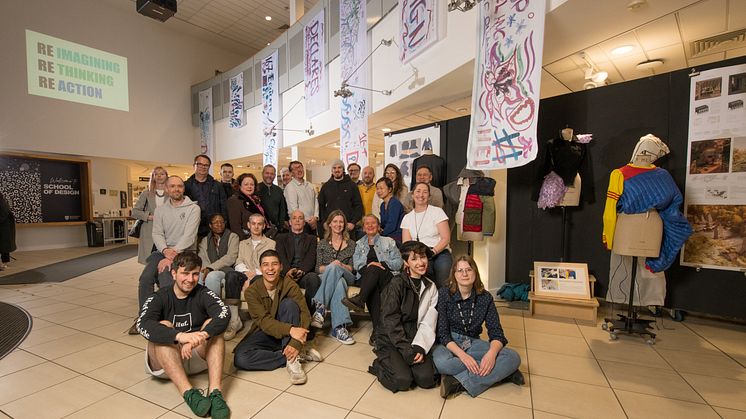
Northumbria University academics have won a British Academy grant to conduct research that highlights the importance of communities in helping to shape a more sustainable future.
Carbon dioxide and water could be recycled into renewable future fuels under a new system being developed by engineering experts at Northumbria University. Led by Dr Shahid Rasul, a senior lecturer in the University’s Department of Mechanical and Construction Engineering, the team has successfully used an inexpensive copper-based catalyst to convert CO2 into both gas and liquid fuels.
Academics from Northumbria University have travelled to Kenya to help establish a new Heritage Boat Building Training Centre which will use indigenous knowledge and skills to transform single use plastics into traditional sailing vessels.

Northumbria University has been rated as ‘first class’ for sustainability and is the highest ranked university in the North East in the latest People & Planet University league table.

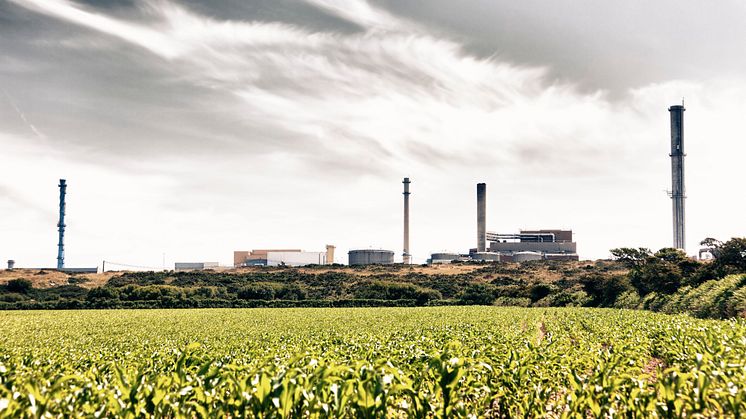
The reprocessing of spent nuclear fuel could become safer and more efficient in future after Northumbria University researchers found a way to modify the structure of molecules to remove radioactive materials. The research is published in the influential Chemistry - A European Journal and is described by its editors as being of 'great significance'.
With concerns about climate change and urban air pollution high on the agenda for cities around the world, most are now actively looking at ways to reduce their carbon emissions.

The North East’s reputation for renewable energy research has received a major boost, with confirmation that the UK’s next generation of doctoral researchers in this field will train in the region.
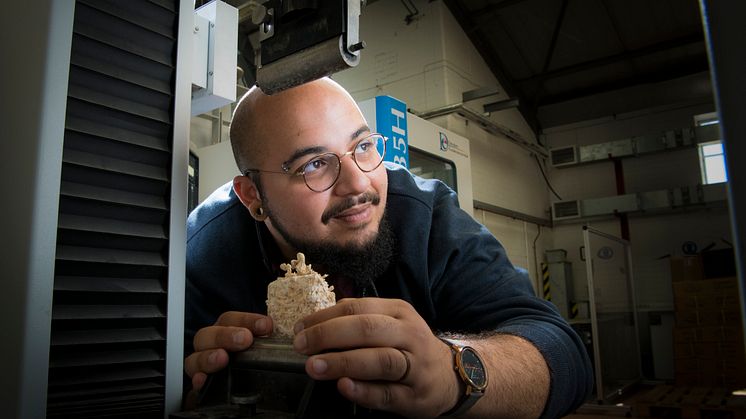
A talented PhD student from Northumbria University, Newcastle has won a major international award for his vision to create vegan-friendly buildings made of natural materials, such as mushrooms.