New heart disease and strokes plan to saves thousands of lives
National framework launched to help reduce premature deaths from heart disease and strokes by a quarter over the next decade.
Nearly 414 people will have a stroke every day in the UK – that's one person every three and a half minutes – by 2035 unless the public, NHS, and the Government tackle prevention.
The Stroke Association is expecting the number of people having a first or second stroke to increase to more than 151,000 a year by 2035.1 Currently, 280 people have a stroke every day in the UK, which is one person e
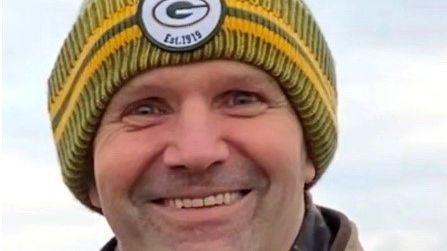
“It is a huge privilege to take on this role – a job that I would never have dreamed of doing before my major stroke,” - Jason Parker
Dr Clare Jonas, Research Lead at the Stroke Association, said: “Every day, 240 people in the UK wake up to life after stroke. Not only is stroke the fourth leading cause of death in the UK, it’s also the leading cause of adult disability. As nine in 10 strokes are preventable, screening for risk factors could reduce the number of people affected by this lifechanging condition.
“AI analyses of h
Juliet Bouverie OBE, CEO of the Stroke Association, said:
“These findings are deeply concerning as they highlight the difficulties faced by the overstretched NHS workforce when battling against a broken system. The findings also reflect our own experiences supporting stroke survivors, as well as patient survey data collated with the NHS, which found room for improvement too. Whilst dedicated s
Ross Macdonald thrives on his career in security governance for the UK Government. He also supports his local community’s safety as a volunteer coastguard.
Yet just nine months ago, he had a stroke which left him with sensory difficulties, memory problems, communication problems, and severe fatigue. Ross was a 47-year-old father of three at the time, five months into tying the knot with his lo
Stroke Association and Mind Cymru have partnered to produce a report highlighting the need for stroke survivors to have specialist mental health and wellbeing support to help rebuild their lives.
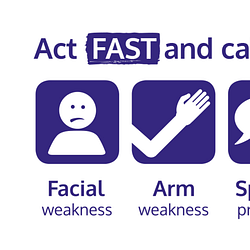
Tony Bundy died from a stroke in June after his condition was not picked up using routine tests. The most-known symptoms such as a drooping face, arm weakness and difficulty speaking were not there.
Now the Bundys, from Tullibody, Clackmannanshire, want to make more people aware of other signs to stop their tragedy happening to others.
He couldn't stand up," said Tony’s wife Selena. "He cou
The UK’s leading stroke charity is deeply concerned by the latest national stroke statistics which tell a distressing story of decline of the most basic levels of hospital stroke care in Scotland.
The Stroke Association highlights less than two thirds of all stroke patients in the country were admitted to a dedicated stroke unit on time last year, despite stroke being designated as a clinical p
John Watson, Associate Director Scotland said:
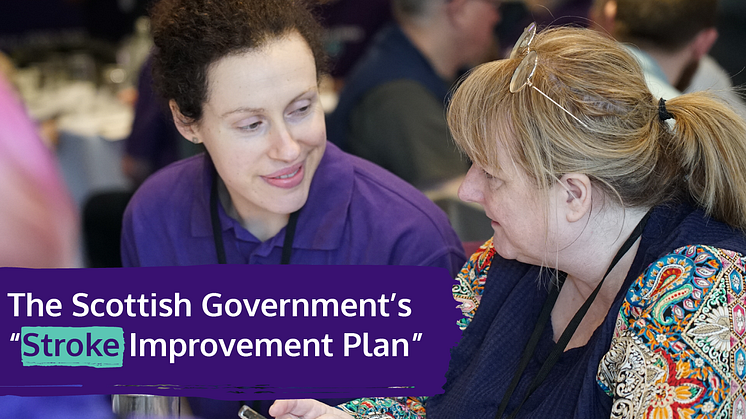
“We welcome the Scottish Government’s Stroke Improvement Plan (2023) which sets out the commitments Health Boards in Scotland must undertake to ensure equitable and timely access to diagnosis, treatment and care for people with suspected stroke. Stroke is a clinical priority in Scotland, and this ambitious plan reflects the importance of tackling t
I had my stroke in September 2015. I was 31 years old at the time.
Looking back, it was hell. I couldn’t walk, dress or wash myself. I was completely reliant on others.
Whilst I have recovered physically, I spend time feeling isolated and alone. No-one really understood the enormity of what I had just experienced. My life had changed in an instant, and although I still had friends, it w
Dr Clare Jonas, Research Communications and Engagement Lead said:
“The majority of strokes happen to older people, due to reasons we are commonly aware of such as high blood pressure, thickening of the arteries or atrial fibrillation. The causes of stroke in younger adults aren’t as well understood, which makes them harder to prevent.
“This study involved a genetic analysis of the blood ty