Press release —
AOECS welcomes landmark Codex agreement on gluten labelling
The Association of European Coeliac Societies (AOECS) welcomes the agreement reached at the 49th Session of the Codex Committee on Food Labelling (CCFL49) on new international Guidelines for Precautionary Allergen Labelling (PAL).
A milestone for people with coeliac disease
For the first time, the Guidelines explicitly address the needs of people living with coeliac disease by incorporating cereals containing gluten into a science-based framework for precautionary allergen labelling. This represents a significant milestone in international food standards and follows many years of scientific collaboration, technical input and advocacy by AOECS and its partners.
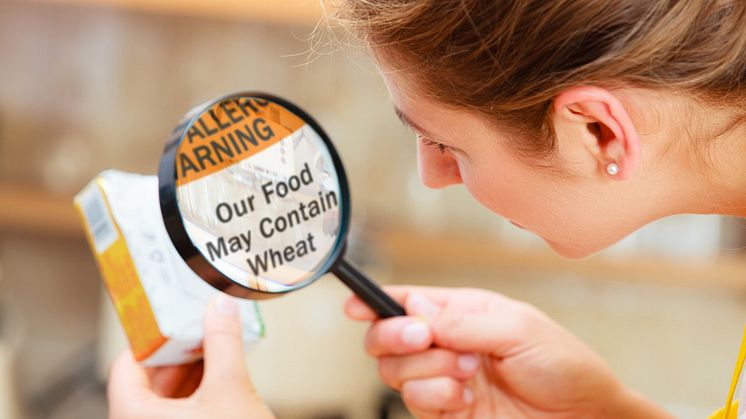
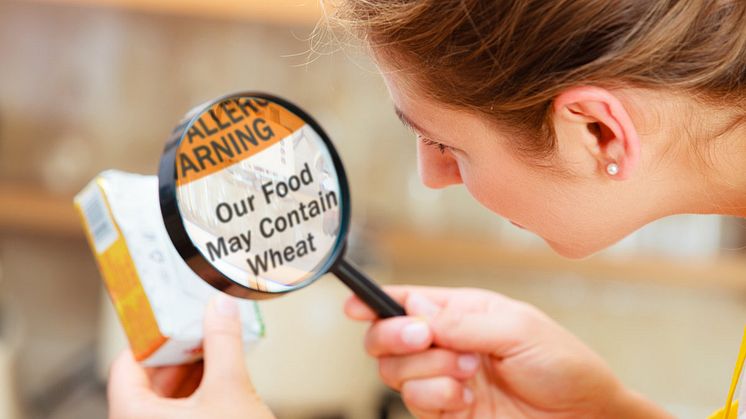
The new Codex Guidelines establish a harmonised, risk-based approach to the use of precautionary allergen labelling, commonly expressed through statements such as "may contain". They are designed to improve consistency, reduce the unnecessary use of precautionary statements and provide consumers with clearer, more meaningful information about the potential risk of unintended gluten contamination.
What we welcome
AOECS particularly welcome:
- A science-based approach to precautionary allergen labelling, including the introduction of a reference dose of 4 mg gluten to support evidence-based risk assessment and more consistent use of precautionary statements.
- The clear distinction between precautionary allergen labelling and gluten-free claims, ensuring that precautionary warnings remain separate from gluten-free claims and preserving consumer confidence in gluten-free products.
- A framework for more effective implementation, recognising that successful adoption of the Guidelines will require education, communication and collaboration between regulators, the food industry, healthcare professionals and consumer organisations.
Protecting consumer confidence
A key outcome of the negotiations is the agreement that a product requiring a precautionary allergen statement for cereals containing gluten should not simultaneously carry a gluten-free claim. AOECS considers this distinction fundamental to maintaining consumer confidence and ensuring that gluten-free claims continue to provide a high level of assurance for people who need to avoid gluten.
"This is a landmark achievement for the global coeliac community," says Veronica Rubio, Secretary General of AOECS. "For many years, people living with coeliac disease have relied on inconsistent precautionary allergen labelling that often created uncertainty and unnecessarily restricted food choice. These new Codex Guidelines establish a science-based framework that will improve risk communication while preserving the integrity of gluten-free claims. We commend the commitment shown by governments, scientists, industry and patient organisations in reaching this important agreement, and AOECS looks forward to supporting its effective implementation."
Supporting implementation
Although the agreement reached by CCFL49 represents a major milestone, the work is not yet complete. The Guidelines are expected to be considered for final adoption by the Codex Alimentarius Commission before implementation is undertaken by national and regional authorities.
As regulators begin the implementation phase, AOECS encourages national and regional authorities to preserve the integrity of the agreed Codex text.
In particular, we call for:
- Consistent, science-based implementation of the Codex Guidelines, ensuring that precautionary allergen labelling is applied proportionately, supported by risk assessment and, where appropriate, validated analytical methods.
- Clear and coherent communication that maintains the distinction between precautionary allergen labelling and gluten-free claims, enabling consumers to make informed and confident food choices.
- Collaborative implementation, with ongoing engagement between regulators, the food industry, scientific experts and patient organisations to promote harmonised application and consumer understanding.
Continuing our commitment
AOECS remains committed to working collaboratively with regulators, the food industry, scientific experts and national coeliac societies to support the successful implementation of the new Guidelines and to help ensure that people living with coeliac disease can continue to make informed and confident food choices.Related links
Topics
Categories
The Association of European Coeliac Societies (AOECS) is an independent umbrella organisation representing national coeliac societies across Europe. Through advocacy, scientific collaboration and the internationally recognised Crossed Grain Trademark Certification Scheme, AOECS works to improve the quality of life of people living with coeliac disease by promoting safe gluten-free food and advancing harmonised food standards worldwide.