




Skip to content

News archive

  • Evidence-based youth entrepreneurship policies

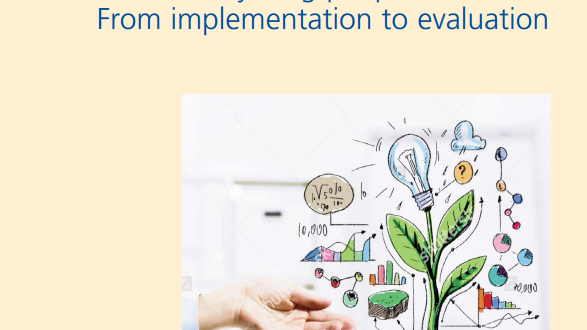
    There is no shortage of start-up support measures for young people in the EU. However, a new report from Eurofound warns policymakers that the failure to conduct more robust policy impact evaluations carries the risk of delivering ineffective interventions and wasting public money. 
    The report, Start-up support for young people in the EU: From implementation to evaluation, points to many shortf
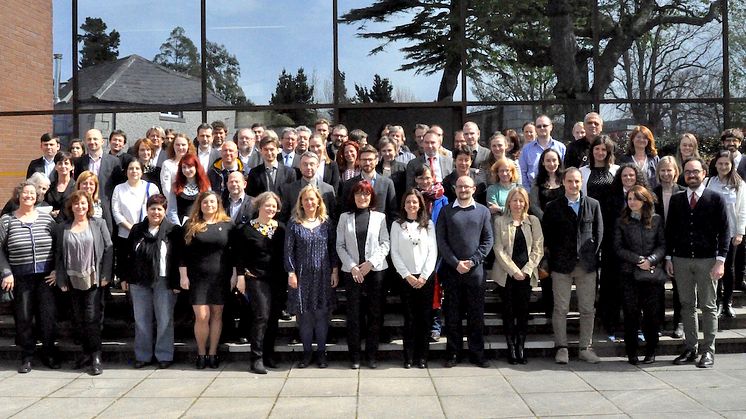
  • Annual meeting of Eurofound’s correspondents

    A key element of Eurofound’s work is the research conducted at national level by its network of European correspondents, operating in all 28 EU Member States and in Norway. The work of these correspondents supports Eurofound’s research activities – in particular, the work of its observatories: the European Observatory of Working Life (EurWORK) and the European Monitoring Centre on Change (EMCC). <

  • Wage boost for low-paid workers in UK and Ireland

    ​A national living wage came into force in the UK on 1 April, meaning that employers are now required to pay employees aged 25 and over at least GBP 7.20 (€9.02) an hour.

  • Looking ahead to the next four-year programme

    Eurofound’s Programming Document 2017–2020, adopted by the Agency’s Governing Board, will set the template for all of its activities over the next four years.

  • Preventing trafficking of labour in Europe

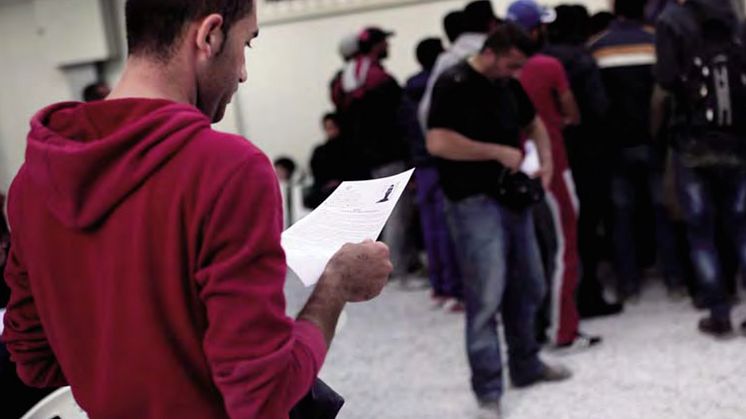
    New data on the highly topical issue of preventing trafficking of labour will be presented to MEPs at a working lunch in Brussels on 27 April, with the launch of a new report from Eurofound.

  • Understanding what works is key for effective youth entrepreneurship policies

    (Dublin, Ireland): Many start-up support schemes for young people have limited resources, are isolated from broader youth employment policies, and are not assessed from a long-term perspective. Understanding what elements of start-up support work and how interventions can be improved is essential if youth entrepreneurship policies are to be effective for young people. This is according to Eurofou

  • New challenges could disrupt working time stability in Europe

    (Dublin, Ireland): Working time has remained relatively stable in the 21st century but socio-demographic challenges and the ubiquitous nature of new technologies may see significant changes in working time in the near future, according to a new report from Eurofound, the EU Agency based in Dublin. Working time developments in the 21st century reveals, for the first time, the development of worki

  • Young, innovative and internationally-active SMEs driving job-growth in Europe

    (Dublin, Ireland): Small and medium-sized enterprises that are largely young, innovative, internationally-active and run by skilled managers are driving significant job growth across the European Union. But research from Eurofound highlights that while SMEs were responsible for a massive 71% of employment growth in the non-financial business economy in 2014, there is urgent need for further tailor

  • Eurofound puts spotlight on drivers of job creation in SMEs

    Despite the ongoing focus on small and medium-sized enterprises (SMEs) by policymakers and academics little is known of the underlying drivers of successful job creation in SMEs. In an effort to close this knowledge gap, Eurofound carried out comprehensive research looking at SMEs across the EU28. These are the first findings, the full report will be available early in 2016.

  • Irish Government signs seat agreement with Eurofound

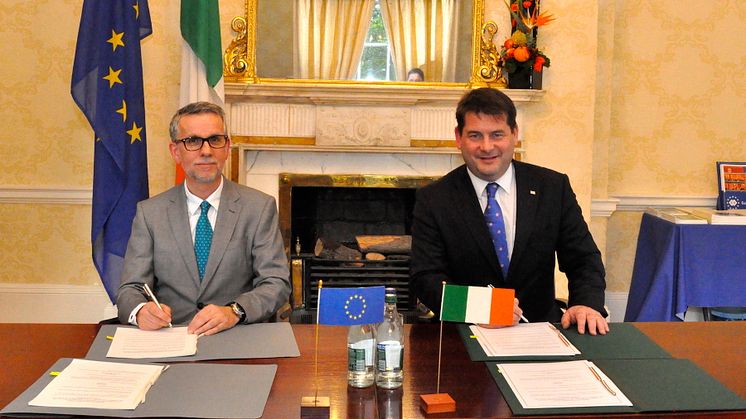
    A Memorandum of Understanding and Seat Agreement between the Government of Ireland and Eurofound was signed today by Dara Murphy, T.D. Minister for European Affairs and Data Protection and Juan Menéndez-Valdés, Director, Eurofound.

  • Developments in working life annual review shows a Europe in flux

    The Developments in Working Life in Europe 2014 annual review, which is part of a series of annual reviews published by Eurofound, shows that Europe is undergoing significant changes in terms of its economy, industrial relations and working conditions. Although progress is being made in all three areas, the enduring economic crisis has made this progress both fragile and unequal.

  • An EU perspective on wage inequality

    Wage inequality has been increasing overall in Europe since the onset of the Great Recession, and is mainly due to rising wage inequalities within countries, according to a new report from Eurofound, the Dublin-based EU Agency.

Show more