Gå videre til innhold

Nyhetsarkiv

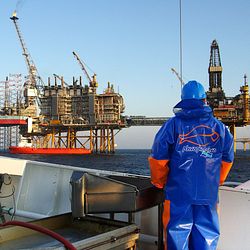
  • Using Atlantic wolffish to restore the kelp forest

    Av Marianne Frantzen and Trude Borch // Akvaplan-niva, Camilla With Fagerli // Norwegian Institute for Water Research, Brian Tsuyoshi Takeda// Restorae, Øyvind Stråbø // Trefadder, Erling Natvig // Vår Energi
    Overfishing of species that prey on sea urchins has led to an ecological imbalance along the north Norwegian coast. Without these predators, sea urchins multiplied, turning once thriving k

  • Kartlegging av marine naturtyper i Oslofjorden

    Kommunene Moss, Råde og Vestby har, under Miljødirektoratets insentivordning Natursats, fått tilskudd til kartlegging av marin natur som kan være egnet for restaurering. I månedsskiftet juni-juli vil marinbiologer fra Akvaplan-niva bidra til gjennomføring av kartleggingen og da med fokus på marin natur i strandsonen og ned til 30 meters dyp.
    Miljødirektoratet publiserte i mars 2026 sin nye ins

  • Workshop on marine mammal pressures - at Conference on the Biology of Marine Mammals

    We are pleased to announce an upcoming workshop at the 26th Biennial Conference on the Biology of Marine Mammals, taking place in San Juan, Puerto Rico, on October 18, 2026.
    This one-day workshop, titled “Innovative in vitro, ex vivo and in silico methods to study marine mammal sensitivity to anthropogenic pressures,” will explore emerging approaches for assessing the impacts of human activiti

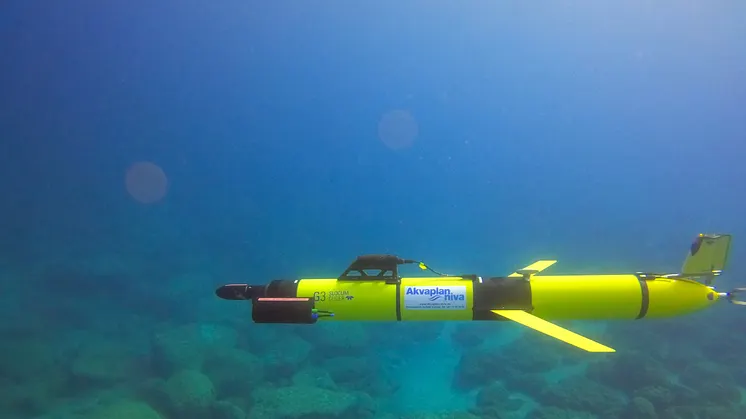
  • Autonomous Gliders in the Quest for Ocean Biodiversity - the eDepthNA project


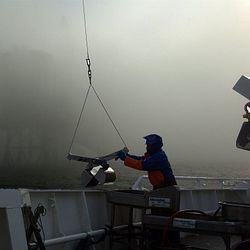
    Environmental DNA (eDNA) refers to genetic material shed by organisms into their surroundings, such as water, through skin, faeces, mucus, or blood. It enables scientists to detect species and assess biodiversity without the need to capture organisms directly.

    Typically, in marine pelagic systems eDNA is collected by filtering water samples. In most cases, this requires researchers to t

  • KAMPANJE - informasjon om sjøfugl ved oppdrettsanlegg

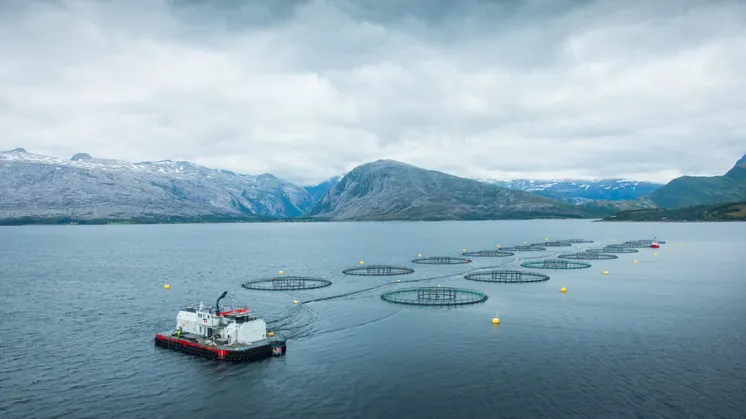
    I begynnelsen av juni inviteres folk langs hele kysten til å bidra i et nasjonalt forskningsprosjekt om samspillet mellom sjøfugl og havbruk.
    Denne uken starter en kampanje for å registrere sjøfugl ved oppdrettsanlegg. Kampanjen er en del av FHF-prosjektet FUGLEBLIKK som er ledet av Akvaplan-niva ved Fredrik R Staven. I kampanjen som skal pågå systematisk i første uka av juni, så oppfordres b

  • Reading the ocean's hidden animal communities - one DNA snippet at a time


    Zooplankton — tiny drifting animals like copepods, krill, and jellyfish — are the engines of ocean food webs. They connect microscopic algae to fish, whales, and seabirds, and play a huge role in moving carbon from the surface ocean to the deep sea. Monitoring these communities is therefore critical for understanding how ocean ecosystems are responding to climate change. Collecting zooplankto

  • Sea4Health prosjektet inviterer til workshop for tang og tareaktører i Tromsø

    Sea4Health - prosjektet inviterer til en workshop for næringsaktører. Arrangementet er lagt back-to-back med Norwegian Seaweed Cluster sin klyngesamling i Tromsø i september.
    Sea4Health er et tverrfaglig forskningsprosjekt finansiert av Norges Forskningsråd. Prosjektet, som ledes av Akvaplan-niva ved Xinxin Wang, skal studere tang og tare som bærekraftig matkilde — fra dyrking og prosessering t

  • Building foundational knowledge of the central Arctic Ocean ecosystem

    For the past 10 years, the Working Group on the Integrated Ecosystem Assessment of the Central Arctic Ocean (WGICA) has been dedicated to synthesizing knowledge on the Central Arctic Ocean (CAO) ecosystem. This is a joint working group under the umbrella of the International Council for the Exploration of the Seas (ICES, the North Pacific Marine Science Organization (PICES), and the Arctic Council

  • On the quest for a sustainable fish feed for the aquaculture industry

    By Lionel Camus, Kanchana Bandara and Pierre Priou
    Global demand for food is increasing. To meet this need, aquaculture has also expanded and is forecast to produce 60% of all fish for human consumption by 2030. This means the aquaculture industry must find sustainable sources of fish feed. One possibility is the marine copepod Calanus finmarchicus.
    Today much of the feed used in fish farm

  • Barentssamarbeidet - Et tidsvindu som ble lukket

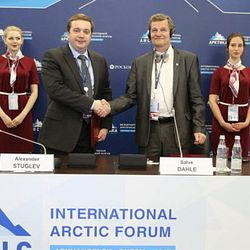
    Av Lars-Henrik Larsen og Salve Dahle
    Med Berlinmurens fall i 1989 åpnet det seg et helt spesielt tidsvindu i forholdet mellom Russland (det tidligere Sovjet) og Vesten, inklusive Norge. Perioden tidlig på nittitallet utviklet samarbeid og sameksistens med vår store nabo i øst, i et omfang og av en karakter som lå langt fra den kalde krigens mistro og skepsis. Det ble igangsatt mange nysgjerrigh

  • Samarbeid styrker kunnskapen om våre verdifulle grensevassdrag

    Av Liv Randi Lindseth
    Hvordan forvalter man elver og innsjøer som deles av to land – og påvirkes av et tredje? I Interreg Aurora-prosjektet OPreWa – Our Precious Transboundary Waters – har Norge og Finland samlet og sammenstilt data, utviklet felles metoder og styrket beredskapen mot spredning av lakseparasitten Gyrodactylus salaris i Pasvik-, Neiden- og Tana-vassdragene. Resultatet er et mer

  • Kjønnssortering av fisk - et viktig steg mot økt bærekraft i torskeoppdrett

    Torskeoppdrett står overfor en kritisk utfordring: gyting i merd, som truer både miljøet og produksjonen. Å skille hann- og hunnfisk i separate merder kan være en løsning, men hvordan gjøre det effektivt og pålitelig? Nå gir et banebrytende pilotprosjekt håp om å lykkes med kjønnssortering av oppdrettstorsk.
    Nå har Akvaplan-niva, i samarbeid med Aqua Kompetanse, KIME Akva og Greenfox Marine, gj

Vis mer