Skip to content

Topics: Business enterprise

  • What licensing parameters are available?

    When using the PitchMark® platform, you have the autonomy to define the specific terms under which a client can use your work. These criteria are captured directly on the PitchMark® certificate, creating an official and indelible record of the agreement.

    What licensing parameters are available?
  • What if my prospect reacts negatively to my PitchMark® certificate?

    If a prospect objects to your inclusion of a PitchMark® certificate, it typically leads to one of two outcomes: it either initiates a necessary conversation about Intellectual Property (IP) rights, or serves as a warning sign about the client's intentions.

  • What is the PitchMark® PitchFeed for?

    The public pitch feed, located on the homepage of the PitchMark® website, acts as a public record of pitching activity designed to create transparency and deter idea theft. While it makes the transaction visible to the community, it is structured to protect the actual content of the idea.

    What is the PitchMark® PitchFeed for?
  • Why PitchMark® when I can sign an NDA or rely on the law?

    PitchMarking differs from traditional copyright and Non-Disclosure Agreements by focusing on active deterrence and formalized evidence rather than just legal recourse after a theft has occurred. While traditional laws such as copyright, trademarks, and patents exist, they often fail to fully protect ideas, especially in the early informal stages of a pitch.

    Why PitchMark® when I can sign an NDA or rely on the law?
  • How much should we charge for our ideas?

    Creators have the autonomy to set their own prices for their licenses, as PitchMark® does not dictate specific fees. Creators should negotiate this with their prospects. However, here are some ideas for how innovators can determine the right price.

    How much should we charge for our ideas?
  • How do I get paid for ideas through PitchMark®?

    Six things to know: How creators can monetise their pitches by selling them the rights to an idea even if they are not hired for the full production. This feature transforms the traditional "all or nothing" pitch into a more flexible commercial transaction.

  • What is the purpose of the PitchMark® certificate?

    Five ways a PitchMark® certificate serves as a multifaceted deterrent against idea theft by formalising the pitching process and signalling to recipients that a creator is prepared to defend their IP rights. Rather than relying on new legal layers, it focuses on prevention and transparency.

    What is the purpose of the PitchMark® certificate?
  • Full stack web designers can now get paid, even if their prospects hire a cheaper coder

    You receive a request from a prospect to re-design their website. You submit a great concept, only to find your Figmas were implemented on the prospect's website without any recognition, let alone payment. Now with PitchMark® Ideas.Exchange they can either award the web creation contract to you so you can implement your designs, or they can license your designs from you.

    Websites make or break a business - if you've come up with a great concept you should be paid for it
  • Graphic designers can now deter idea theft, and get paid for their designs

    Ordinarily graphic designers create creative pitches, marketing plans, logo designs, and more. The problem is when the prospect declines your ideas, only to implement your creatives by themselves or hand them to a competing design firm to execute. Now with PitchMark® Ideas.Exchange they can either award the contract to you, or they can license your concepts from you.

    Your graphic designs are your life blood, and you should get paid for your creativity
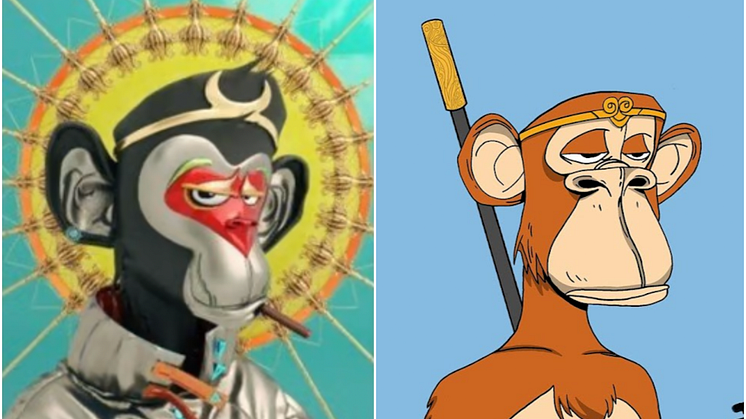
  • Rip-off or not: Bored Ape Yacht Club vs Bored Wukong


    Another day, another kerfuffle in the world of non-fungible tokens (NFTs) — and this time, the fuss is all about cartoon monkeys. 
    The Bored Ape Yacht Club is an NFT project that has attracted a lot of interest from celebrities. It comprises a collection of 10,000 illustrations of apes, and digital ownership of these gives buyers bragging rights, the ability to monetise their ape avatars v

  • The important role of IP as Philippines aims to become Southeast Asia's top creative economy

    In September 2021, the Philippines’ House of Representatives passed a landmark bill known as the Philippine Creative Industries Development Act. It could soon become a law, and its goal is nothing less than to make the country Southeast Asia's top creative economy by 2030.
    Already, the Philippines’ creative sector is full of potential. In 2014, with little government support, the creative econo

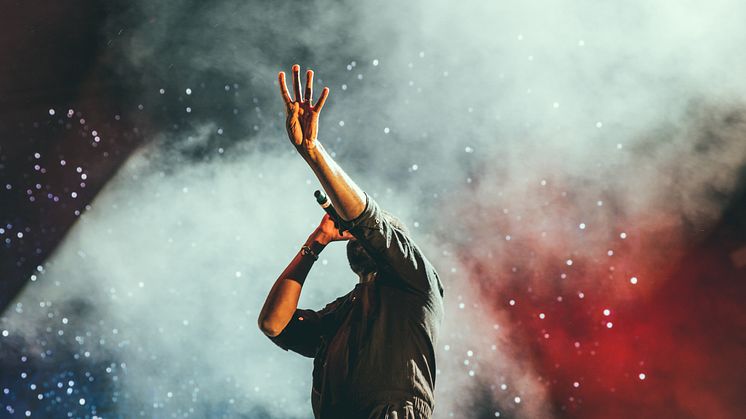
  • NFTs are the latest frontier in musicians’ long battle to gain control over their IP

    In the music business, the ownership of intellectual property has often been a controversial subject, and that’s all because of the lopsided balance of control. In short, record companies tend to seize most of the control. But that might change, if start-ups pushing ownership models based on non-fungible tokens (NFTs) take off.
    In the short amount of time that NFTs have become a trending topic

  • Funny business: Comedians seek royalties for their IP

    Should comedians get paid like musicians and receive royalties from platforms that profit from their material? That's certainly a payment model that one group is championing. According to the Wall Street Journal, a group of comedians, led by global rights administration company, Spoken Giants, wants to be paid royalties when their jokes are played on radio and streaming services such as Spotify an

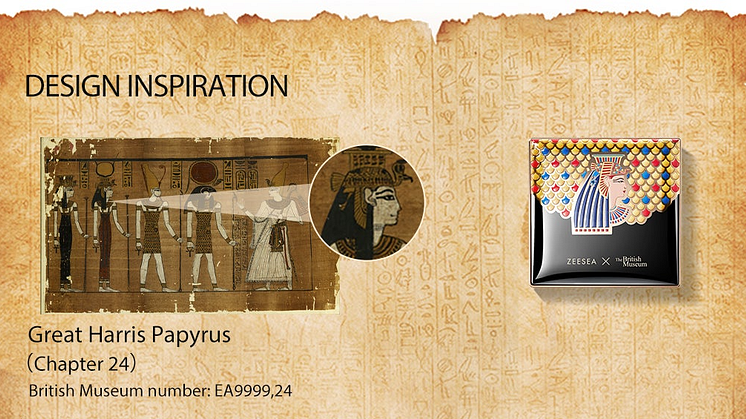
  • Museums are licensing images of ancient relics and other masterpieces. But who really owns this IP?

    Celebrating the Lunar New Year in China is an old tradition, but in recent years, it has also become an occasion for using new technology, most notably through the gifting of digital hongbaos (the name for red paper packets containing money) using different e-wallet platforms.
    This year, the enterprising fintech innovators of China have come up with yet another new way to mark the festive seas

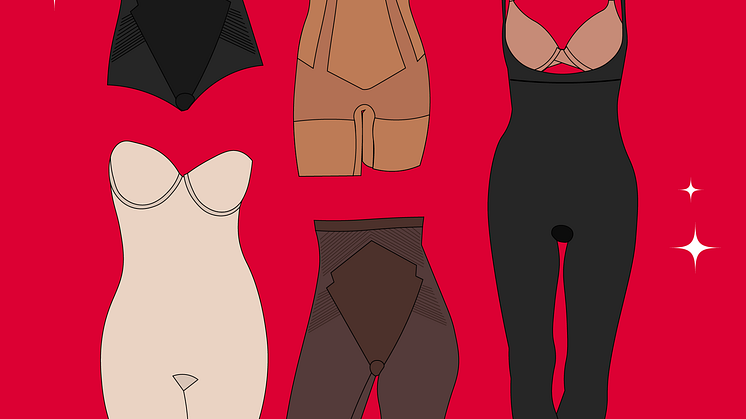
  • Spanx’s founder couldn’t afford a patent attorney. So she figured out how to protect her IP herself.

    Twenty years ago, American entrepreneur Sara Blakely launched a business selling shapewear that was more comfortable and more effective than anything else on the market at the time. She called the brand Spanx. And in 2021, she sold a majority share of this business to investment company Blackstone, bringing her net worth to over US$1 billion.
    Blakely couldn’t have grown her business without tre

  • Rip-off or not: Wordle and the word games it inspired

    Wordle is the new sensation sweeping the Internet, and it all boils down to its resolutely simple rules. This word game is hosted on an ad-free website, you can only play it once a day, and the creator has no intention of making the game addictive or viral. There isn’t even an app version — at least not an official one.
    Still, this game of guessing a different five-letter English word each day

  • Singapore association launches guide to best practices in pitching

    Here’s a subject close to the hearts of all innovators whose livelihoods depend on successfully pitching their original ideas to potential clients — what are some key guidelines that can make productive working relationships more likely?
    To address this issue, the Association of Advertising and Marketing Singapore (AAMS) and global marketing consultancy R3 have developed a Pitch Best Practices

  • India steps up IP protection for Darjeeling Himalayan Railway's century-old logos

    Being named a UNESCO World Heritage Site can help to catalyse tourist interest, and thus generate value for a country’s economy. As these sites are regularly reviewed to assess whether their conservation status qualifies them for a continued place on this list, it also incentivises governments to prioritise the protection of their countries’ historical architecture and infrastructure. If one views

Show more