Skip to content

Categories: designers

  • What licensing parameters are available?

    When using the PitchMark® platform, you have the autonomy to define the specific terms under which a client can use your work. These criteria are captured directly on the PitchMark® certificate, creating an official and indelible record of the agreement.

    What licensing parameters are available?
  • What happens if the client refuses to pay for the idea?

    Under normal circumstances, the person you are pitching to is under no obligation to buy or use your certificate. But if a client refuses to pay the licensing fee but still uses your idea, the PitchMark® certificate serves as a critical layer of defence by providing indelible documentary evidence of your ownership and the terms offered.

    What happens if the client refuses to pay for the idea?
  • What if my prospect reacts negatively to my PitchMark® certificate?

    If a prospect objects to your inclusion of a PitchMark® certificate, it typically leads to one of two outcomes: it either initiates a necessary conversation about Intellectual Property (IP) rights, or serves as a warning sign about the client's intentions.

  • What is the PitchMark® PitchFeed for?

    The public pitch feed, located on the homepage of the PitchMark® website, acts as a public record of pitching activity designed to create transparency and deter idea theft. While it makes the transaction visible to the community, it is structured to protect the actual content of the idea.

    What is the PitchMark® PitchFeed for?
  • Videographers beware of prospects who rip off your storyboard

    As a videographer you send your storyboard to your prospect, only to discover your video on YouTube, Instagram or TikTok: they got someone else to produce your video. Now with PitchMark Ideas Exchange they can contract you to produce the video or pay you a license fee for your storyboard, so you get paid for your concepts even if they engage someone else for the project.

    Don't let your storyboard be the creative spark for someone else's TikTok video
  • PR firms put up with having their work copied without permission - until now

    Retainer work is hard to come by in the PR industry, which means most of your output is project-based. Worst of all, they might just use the written materials you produce without any payment to you at all. Now with PitchMark® Ideas.Exchange they are on notice that you reserve all rights to your work. If they accept it they can pay for it straight away.

    Your work may be difficult to quantify but whether on retainer or project based you should get paid for it
  • Full stack web designers can now get paid, even if their prospects hire a cheaper coder

    You receive a request from a prospect to re-design their website. You submit a great concept, only to find your Figmas were implemented on the prospect's website without any recognition, let alone payment. Now with PitchMark® Ideas.Exchange they can either award the web creation contract to you so you can implement your designs, or they can license your designs from you.

    Websites make or break a business - if you've come up with a great concept you should be paid for it
  • Graphic designers can now deter idea theft, and get paid for their designs

    Ordinarily graphic designers create creative pitches, marketing plans, logo designs, and more. The problem is when the prospect declines your ideas, only to implement your creatives by themselves or hand them to a competing design firm to execute. Now with PitchMark® Ideas.Exchange they can either award the contract to you, or they can license your concepts from you.

    Your graphic designs are your life blood, and you should get paid for your creativity
  • Architects can now sell their plans using PitchMark® Ideas.Exchange

    Ordinarily you create architectural drawings for a prospect. But then the prospect hires someone else to execute your plans and doesn't even acknowledge your work, let alone pay you for it. With PitchMark® Ideas.Exchange your prospect can instantly license your plans, and you get paid straight away by credit card.

    You've designed the construction plans, and you should get paid for your work
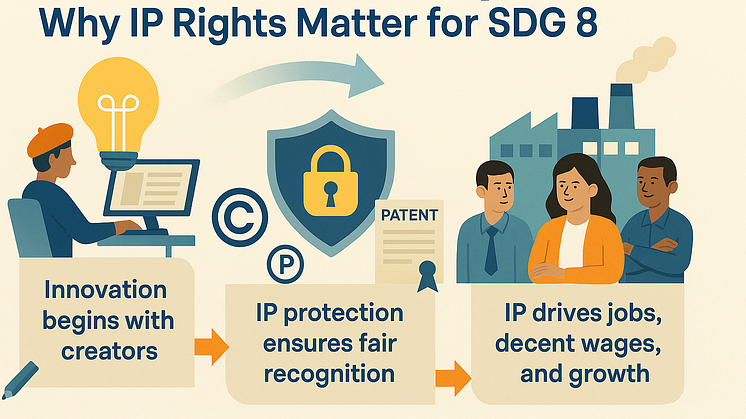
  • How Respecting Intellectual Property Drives Decent Work and Economic Growth

    In today's dynamic global economy, innovation is the cornerstone of sustainable progress. From medical breakthroughs to digital advancements, the ideas that shape our future depend on a framework of trust and fair recognition. At the heart of this framework lies intellectual property (IP), ensuring that creators, inventors, and businesses are justly rewarded for their innovations. For organization

  • Barkley sues Quizlet for copyright infringement

    California-based test prep company Barkley & Associates has accused flashcard-making app Quizlet Inc. of copyright and trademark infringement as well as unfair business practices.
    Barkley filed a complaint in the US District Court for the Central District of California on July 16th accusing Quizlet of copying its study resources for those seeking to become certified nurse practitioners.

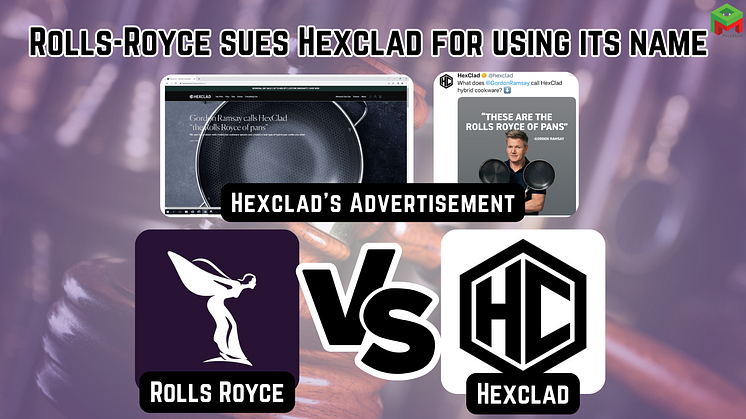
  • Rolls-Royce sues cookware company for using its name in advertisements

    UK-based Rolls-Royce has filed an intriguing lawsuit in a United States federal district court alleging that a cookware company is infringing on its well-known trademarks and causing its dilution.
    The luxury automaker claims that One Source to Market, LLC d/b/a HexClad ("HexClad") is deliberately violating its trademark rights in the well-known and federally registered ROLLS-ROYCE word mark and

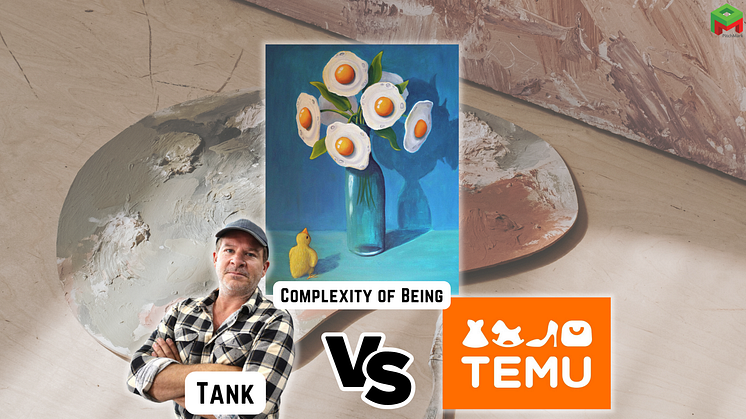
  • Australian artist Tank alleges online marketplace Temu of copying his designs

    Australia-based artist Tank accused Chinese-owned online marketplace Temu of stealing his designs and selling them for a very cheap price.
    Tank sells his small canvas print design titled Complexity of Being for A$275 on his website.
    On Temu, however, an identical item is being sold by two different dealers for less than A$7, with one of them having already sold 500 copies.
    In fact, the de

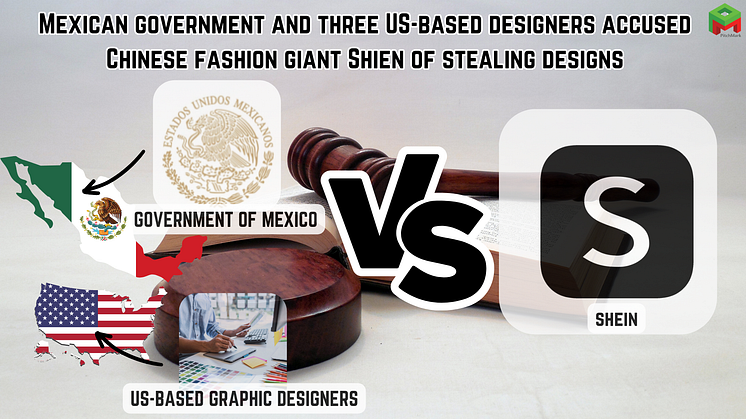
  • Mexican Government and three US-based designers accused Chinese fashion giant Shein of stealing designs

    The Chinese fast fashion giant Shein is facing new copyright infringement allegations emanating from two different nations. The Mexican Government accused the company of copying indigenous art, and a lawsuit has been filed in the United States by three fashion designers blaming the company for stealing their clothing designs.
    The Ministry of Culture of the Government of Mexico sent a letter to

  • Nigerian court orders Coca-Cola to pay compensation for copyright infringement

    Coca-Cola Nigeria Plc and it’s local bottler, the Nigeria Bottling Company (NBC), have been ordered by a Federal High Court sitting in Lagos, Nigeria, to pay three million Naira (approximately USD 3,875) for copyright infringement of a person’s literary work, despite NBC’s argument that the works in question were not protected by copyright.
    The plaintiff, Onilemarun, claimed in the lawsuit t

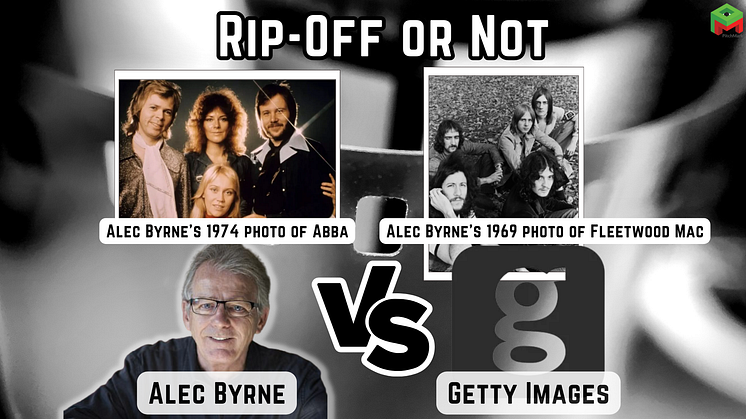
  • Photographer Alec Byrne sues Getty Images for copyright infringement

    Renowned music photographer Alec Byrne has sued Getty Images for copyright infringement, saying that the firm sold popular photographs he snapped of bands such as ABBA, Fleetwood Mac, and the Bee Gees without his permission.
    The California-based lawsuit, which seeks both damages as well as a permanent injunction, claims that Getty Images violated copyright by selling images captured by Byrne in

  • Photographer sues singer Mariah Angeliq and Urban Outfitters for using a photo without his permission

    Los Angeles-based photographer Abdullah Webster filed a copyright infringement lawsuit against the singer Mariah Angeliq, Penske Media and Urban Outfitters after his photo appeared without his permission on merchandise, on clothing and in campaign advertisements.
    Webster claims that Angeliq failed to pay him and his business, Hexlastudios, for a picture he took of the 23-year-old reggaeton, tra

  • American-Dutch coffee conglomerate Moccona maker sues Australia’s Vittoria over glass jar

    The American-Dutch coffee conglomerate behind Moccona, Jacobs Douwe Egberts (JDE) and Koninkliijke Douwe Egberts BV (KDE), has accused Australia's Vittoria Coffee of copying Moccona's "iconic" shape of instant coffee in a glass jar.
    The company sued Vittoria in Federal Court on the grounds that the latter was selling coffee in a glass jar that consumers might confuse for a Moccona product, whic

Show more