Skip to content

Topics: Economics

  • Jubilee campaign promoting boundless knowledge

    Uppsala University will celebrate 550 years 7 October 2027. Ahead of this occasion, a jubilee campaign is being launched today: “Boundless knowledge – since 1477”, whose aim is to further strengthen the University’s research. The goal is to raise SEK 1 billion by 2027, and the campaign is already halfway towards that goal. Today’s ceremony in the Grand Auditorium will highlight this year’s donors.

  • How Soviet legacy has influenced foreign policy in Georgia and Ukraine

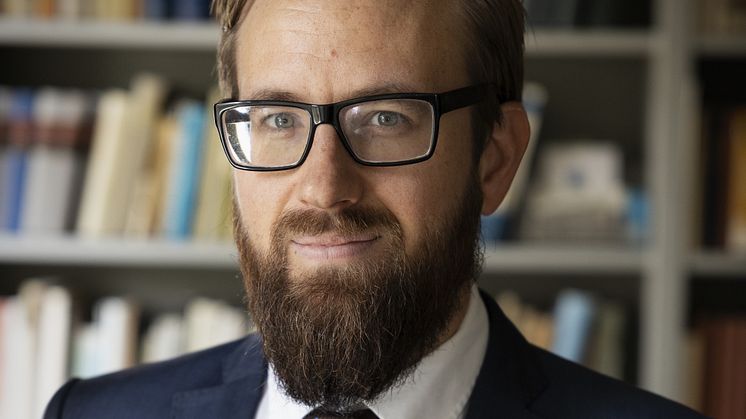
    The legacy of the Soviet Union’s collapse plays a greater role in the foreign policies of Georgia and Ukraine than previous studies have suggested. Conducting foreign policy in former Soviet countries can be a major challenge as the Russian state does not accept the new order. These are the findings outlined in the thesis of political scientist Per Ekman from Uppsala University.

  • Support for meat rationing to protect climate

    Rationing of goods such as meat and fuel can both effectively and fairly reduce consumption with high climate impact. Almost 40 percent of the public say they could accept such measures. These are the findings of new research from the Climate Change Leadership Group at Uppsala University.

  • PTSD symptoms can be reduced through treatment including a video game

    A single treatment session, which includes the video game Tetris, can reduce symptoms of post-traumatic stress disorder (PTSD), shows a new study carried out with healthcare professionals working during the COVID-19 pandemic. The results are published in BMC Medicine. The study involved 164 participants, and the positive effects persisted after five weeks and even six months after treatment.

  • Are cows pickier than goats?

    To answer this question, Linnaeus collected 643 different plant species that were then fed to horses, cows, pigs, sheep and goats. The results were carefully compiled but not analysed until now, 275 years later, when they are also published by the Linnean Society in London.

  • Language in sexual offence judgments makes victims responsible

    Professional and lay judges are not supposed to be influenced by personal values or political opinions. Despite this, the language of judgments reflects stereotypical ideas about gender and sexuality. This language means that women who have experienced sexual violence are often blamed for the assault. This is shown in a new thesis in Scandinavian languages from Uppsala University.

  • One in five UK doctors use AI chatbots

    A survey led by researchers at Uppsala University in Sweden reveals that a significant proportion of UK general practitioners (GPs) are integrating generative AI tools, such as ChatGPT, into their clinical workflows. The results highlight the rapidly growing role of artificial intelligence in healthcare – a development that has the potential to revolutionise patient care but also raises concerns.

  • Cow slime can help disc herniation patients after surgery

    Researchers at Uppsala University have developed a gel inspired by cow slime for patients suffering from disc herniation. By adding the mucin gel immediately after surgery, it is possible to create a protective barrier around the discs to prevent the immune system from attacking their nucleus pulposus. This keeps the discs intact and reduces the risk of further damage.

  • Dag Hammarskjöld Lecture with Rena Lee and Jan Egeland

    On 16 September two Dag Hammarskjöld Lectures will be held in Uppsala. Rena Lee, Singapore’s Ambassador for International Law will talk about ‘From Sea to Shore: Multilateralism and the Value of International Law’. Jan Egeland, Secretary General of the Norwegian Refugee Council, will talk about ‘The Lesson from Hammarskjöld for Conflict Resolution Today’. The lectures are open to the public.

  • Charles XV’s Norwegian Landscape painted in Romsdalen

    King Charles XV (1826–1872) was known for his paintings, but elements of his artistic output have remained obscure until now. A researcher at Uppsala University has now discovered great similarities between one of the king’s most famous works, Norwegian Landscape, and that of the painting from Romsdalen by Norwegian artist Thomas Fearnley (1802–1842) .

  • Animals on fur farms can spread viruses to humans

    Animals bred in the fur animal industry can both carry and spread viruses with the potential to infect humans. In a new study conducted by researchers at Uppsala University and others, researchers have identified 36 previously unknown viruses. The study has been published in the journal Nature.

  • Promising treatment for rectal cancer confirmed in major study

    A new treatment for locally advanced rectal cancer shows favourable results in that surgery can sometimes be avoided completely. It also reduces the risk of recurrence. The method has been confirmed as effective in a comprehensive study conducted at Uppsala University and published in eClinicalMedicine.

  • Brain biomarker in blood sample predicts stroke

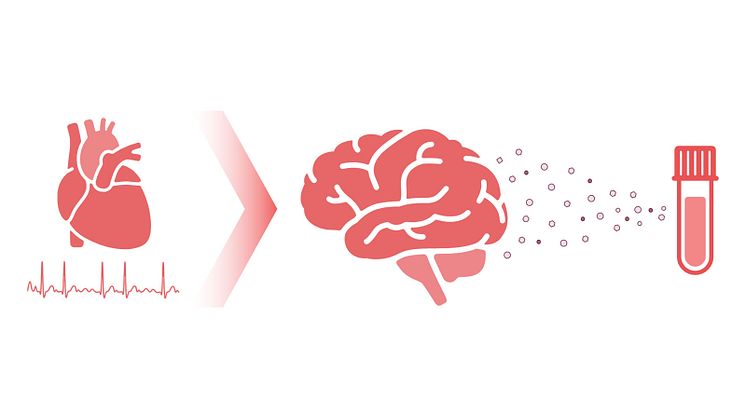
    Researchers at Uppsala University Hospital and Uppsala University have demonstrated that a simple blood test that reflects brain health can predict which people are most at risk of suffering a stroke. The discovery could contribute to more individualised treatment of patients with atrial fibrillation. The study has been published in the journal Circulation.

  • AI can speed up drug development

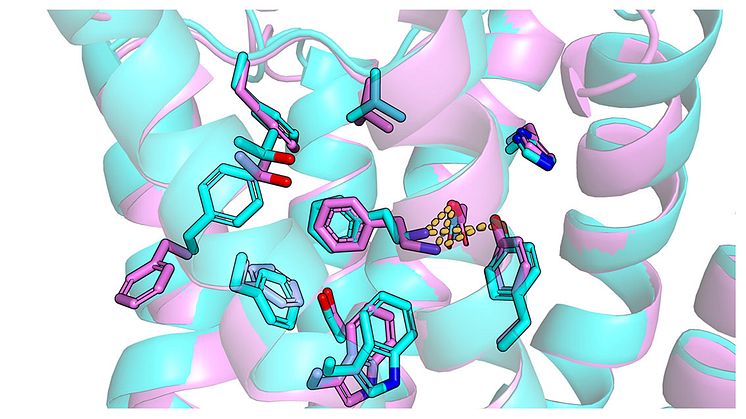
    Artificial intelligence (AI) can help identify molecules that could serve as new drugs for mental health disorders. AI can be used to predict the three-dimensional structures of important receptors and thereby speed up the development of potential drugs. This is the result of a new study from Uppsala University published in Science Advances.

  • Genetic signatures provide prognostic information in colorectal cancer

    Using a unique collection of genetic and clinical data for colorectal cancer, researchers at Uppsala University have revealed genetic new alterations and developed of a new molecular classifier of tumour variants. The finding could lead to improved possibilities for individualised therapies. This is shown in study recently published in the journal Nature.

  • Krill provide insights into how marine species can adapt to warmer waters

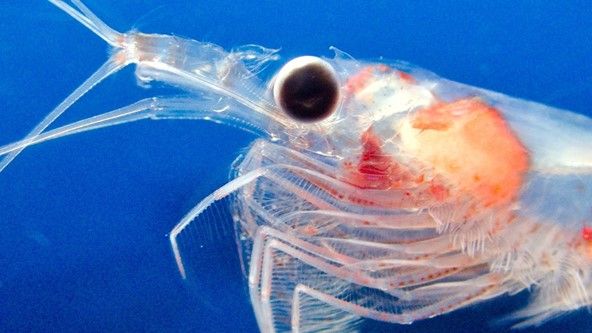
    Krill in our northern waters show how key marine species can adapt genetically to cope with climate change. This is the discovery made by researchers at Uppsala University in collaboration with an international research group. According to the researchers, their study, published in Nature Communications, provides important knowledge that can help protect marine ecosystems when the climate changes.

  • Chronic cough may be hereditary

    Chronic cough is among the most common reasons for seeking medical care, with middle-aged women the group most affected. New studies at Uppsala University also show that this condition appears to be a hereditary phenomenon. The studies have been published in ERJ Open Research and PLOS ONE.

  • Greater attention needs to be paid to malnutrition in the sick and elderly

    As many as half of all patients admitted to hospital, other healthcare facilities are malnourished. This has serious consequences for the individual in terms of poorer quality of life and mortality. Providing nutrients can alleviate these problems, but not enough attention is paid to this knowledge, writes researchers from Uppsala University and the University of Gothenburg published in the NEJM.

  • Consensus is far from the whole story

    20th century Swedish labour market policy was not solely shaped by inter-class cooperation, but also by tough conflicts. Industrial rationalisation and investments in new technology were met with protests from workers. A new doctoral thesis reveals parallels between technological changes during 1920-1950 and the transition we face today with, for example, artificial intelligence and automation.

Show more