Skip to content

Topics: Economics

  • New molecular movie reveals how antibiotic resistance to fusidic acid works

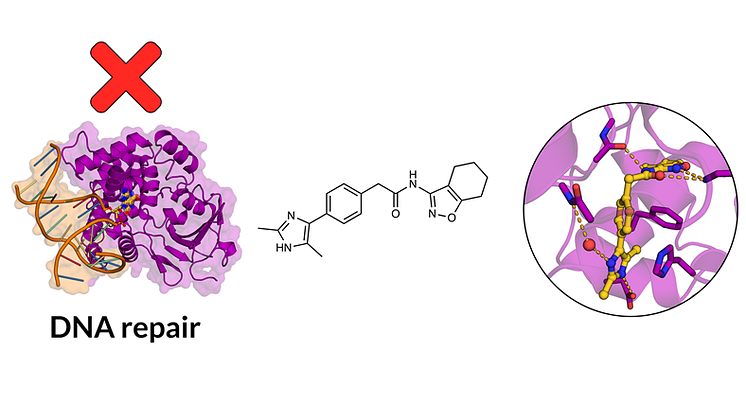
    Researchers from Uppsala Antibiotic Center, Uppsala University and SciLifeLab describe a fundamental mechanism of antibiotic resistance. What happens in a bacterium that is resistant to the antibiotic fusidic acid? With a stop-motion movie at the atomic level, they can show that the resistance protein FusB works nearly like a crowbar. Article published in Nature Communications


  • The effect of physical fitness on mortality is overestimated

    That fit people have a reduced risk of premature death from various diseases is a recurring result in many studies. New research from Uppsala University shows that people with high fitness levels in their late teens also have a reduced risk of dying from random accidents. This suggests that the associations seen in previous studies have probably been misleading.

  • 355 million-year-old footprints rewrite the history of backboned land animals

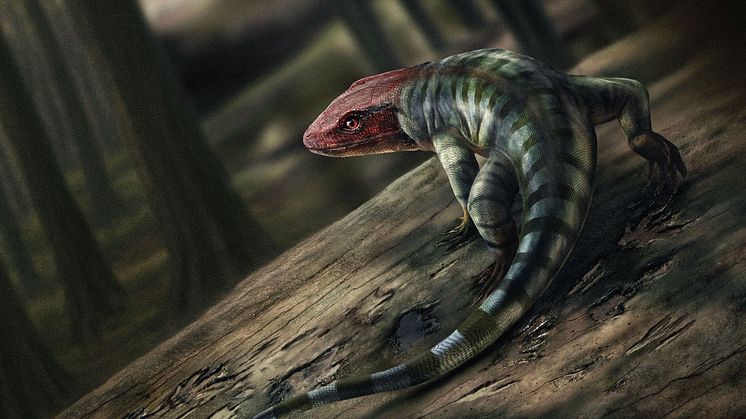
    Newly discovered fossilised footprints with long toes and claws have been found in a rock slab from Australia. The discovery pushes the origin of reptiles back by 35 million years and overthrows the established evolutionary timeline of backboned land animals. The study, led by researchers at Uppsala University, has been published in the journal Nature.

  • Lack of sleep can increase the risk of cardiovascular disease

    Even a few nights with insufficient sleep increases promote molecular mechanisms linked to a greater risk of heart problems. This has been shown in a new study in which the researchers investigated how sleep deprivation affects biomarkers (in this case proteins) associated with cardiovascular disease. The study was led from Uppsala University and is published in the journal Biomarker Research.

  • New AI model improves MS diagnostics

    To provide the right treatment for MS, it is important to know when the disease changes from relapsing-remitting to secondary progressive, a transition that is currently recognised on average three years too late. Researchers at Uppsala University have now developed an AI model that can determine with 90 per cent certainty which variant the patient has.

  • Babies follow social cues despite trauma

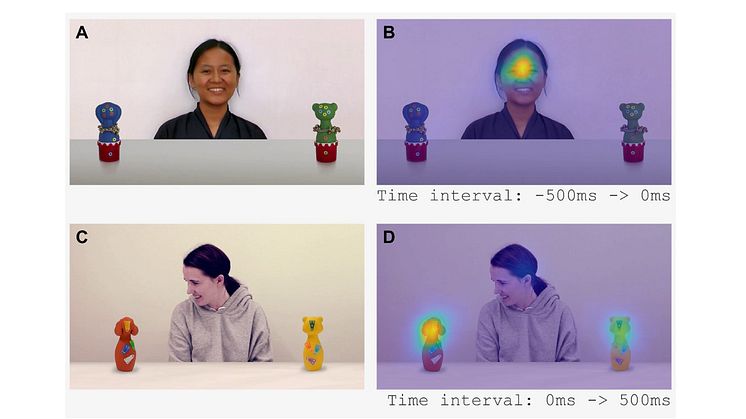
    Babies living as refugees have some of the same social skills as children with more secure home conditions. This is shown by a new study that researchers from Uppsala University have conducted in cooperation with colleagues in Uganda, Zimbabwe and Bhutan. Over 800 children participated in the study, making it one of the largest infant studies ever conducted using eye movement measurements.

  • Controlling starch levels in algae could reduce greenhouse gases

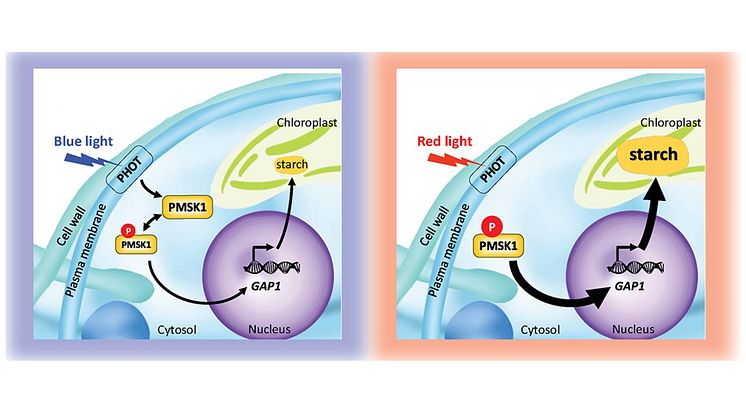
    High-starch algae are important in biofuel production, as a feed supplement in agriculture and as an efficient way to bind carbon dioxide. Researchers have now found a new method to control starch storage in algae - a finding with potential applications in areas such reducing greenhouse gases.

  • How the media write about transgender people

    Transgender people are the subject of polarised debate in Sweden and there is a tendency to use alarmist examples to stir up emotions. This is shown in a new thesis that examines the language used in opinion pieces on trans-related issues.

  • Cholesterol-elevating substances in coffee from machines at work

    The coffee from most of the coffee machines in workplaces contains relatively high levels of cholesterol-elevating substances. There is a big difference in comparison to coffee made in regular paper filter coffee makers, which filter out most of these substances.

  • New study: Fewer women want to have children

    More and more young women are hesitant about having children. New research from Uppsala University shows that one in four are either unsure about or do not want to have children at all – a big increase compared to 2014, when only one in ten felt this way. The same study also shows that fewer are using condoms and that a large proportion perceived consent when sexual activity was initiated.

  • Unique cell shape keeps lymphatic vessels and plant leaves stable

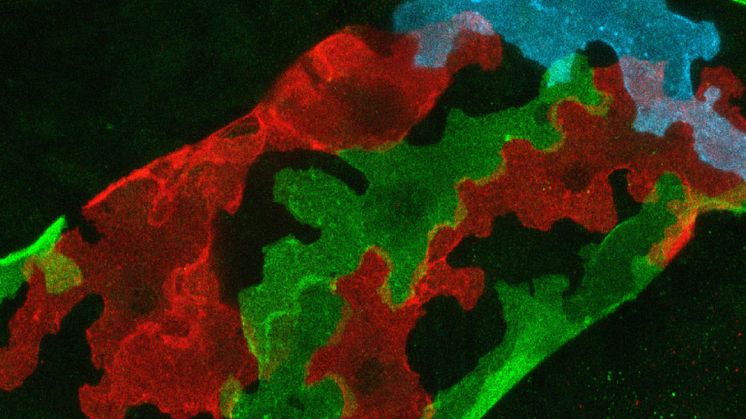
    The cells that make up the walls of the finest of all lymphatic vessels have a lobate, oak leaf-like shape that makes them particularly resilient to changes in fluid volume. A similar cell shape also supports mechanical stability in plants. This has been shown by researchers from Uppsala University in a new article published in the journal Nature.

  • New ‘shy’ fungus found in old-growth forest

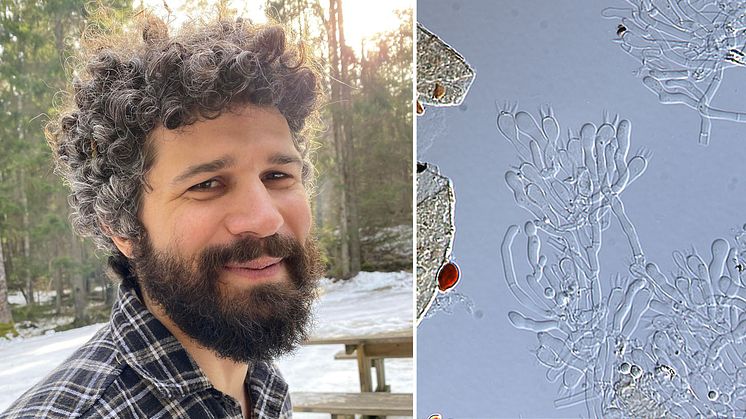
    Although fungi of the genus Piloderma are common, scientists have now discovered five previously unknown species. One of these is one of the most widely distributed species in Northern Europe, while another is found only in old-growth forests. The discoveries show that diversity in this genus is much greater than previously thought.

  • Trio behind Alzheimer’s drug receives Uppsala University Innovation and Entrepreneurship Award

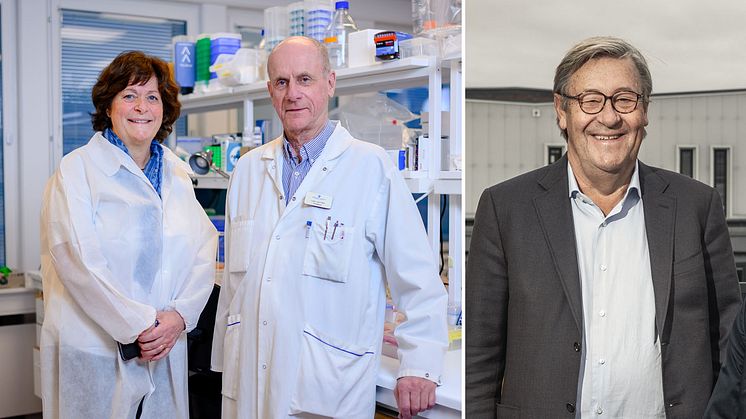
    The drug that slows down Alzheimer’s disease is already being used by more than 20,000 patients in 10 different countries – and could soon be available in Europe too. The success story is down to the two founders of BioArctic Lars Lannfelt and Pär Gellerfors and the company’s CEO Gunilla Osswald. Their achievement is now recognised by the Uppsala University Innovation and Entrepreneurship Award.

  • World-leading battery researcher joins Uppsala University

    Professor Patrik Johansson is the new director of the flagship project Battery 2030+. He has led many large international research projects and was most recently director of the EU research programme the Graphene Flagship.

  • Initiative for research on conflicting objectives in sustainable development

    Uppsala University inaugurates a new research institute, UUniCORN, aimed at identifying, analysing and navigating conflicting objectives in sustainable societal transition. The new institute is set up on the initiative of Vice-Chancellor Anders Hagfeldt as part of Uppsala University’s ambition to be a more active partner in creating an ecologically, socially and economically sustainable society.

  • New method searches through 10 sextillion drug molecules

    A recent study shows that computer algorithms can be used to find molecules that can be developed into anti-inflammatory drugs. In the article, the researchers also describe how the same strategy can be used to search through 10 sextillion alternatives to identify the best drug candidate.

  • Unexpected discoveries in study of giraffe gut flora

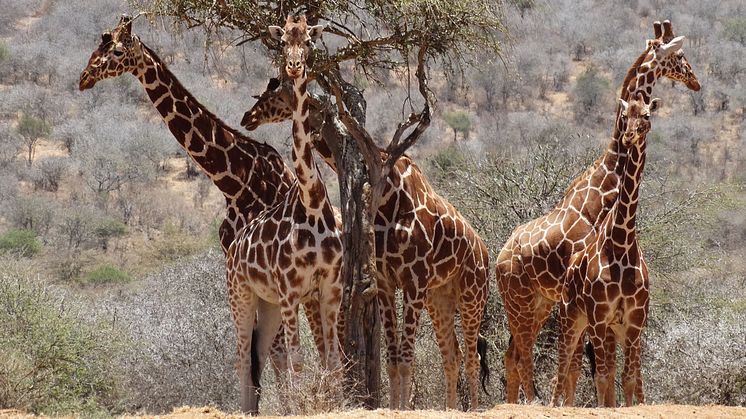
    The gut bacteria of giraffes are not primarily determined by what they eat, but by the species they belong to. This is shown in a new study from Uppsala University and Brown University in which researchers have analysed the link between diet and gut flora in three giraffe species in Kenya. The study also provides new knowledge that can help secure the food supply of endangered giraffe species.

  • “To get a good job, you have to have an education”

    Previous research has indicated that there is a resistance to education among young people in industrial towns. A new thesis based on interviews with young people and parents in Söderhamn shows that this is not the case. They have a positive view of higher education and believe continuing with their education can be necessary to get a good job.

  • New study unravels the history of the largest pastoral population in Africa

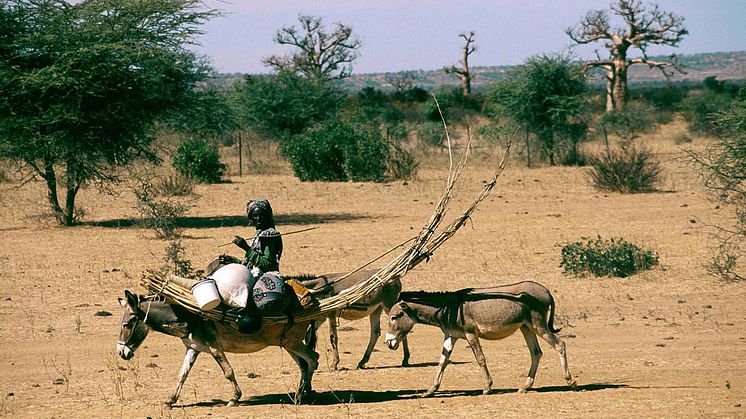
    Researchers have uncovered the ancestral origins and genetic diversity of the Fulani, one of Africa’s largest pastoral populations. The study reveals a complex genetic ancestry with influences from both North and West African groups, shaped by historical migrations that have left a lasting impact on their genetic landscape.

  • Should we stop saying ‘Russia’?

    Should the world stop using the name ‘Russia’ and go back to the old name ‘Muscovy’? The question has been raised by critics of Russia in recent years and in his new book “Russia reverts to Muscovy”, Stefan Hedlund, Professor Emeritus of East European Studies, highlights several arguments in favour of a change of name.

Show more