Skip to content

Topics: Pollution

  • Exposure to PFAS and PCBs linked to higher odds of MS

    People who have been exposed to both PFAS and PCBs are more likely to be diagnosed with multiple sclerosis (MS). These new research findings are based on analyses of blood samples from more than 1,800 individuals in Sweden, one of the most comprehensive studies to date on the influence of chemical environmental exposure on the development of MS.

  • Higher temperatures make it difficult for fig tree pollinators

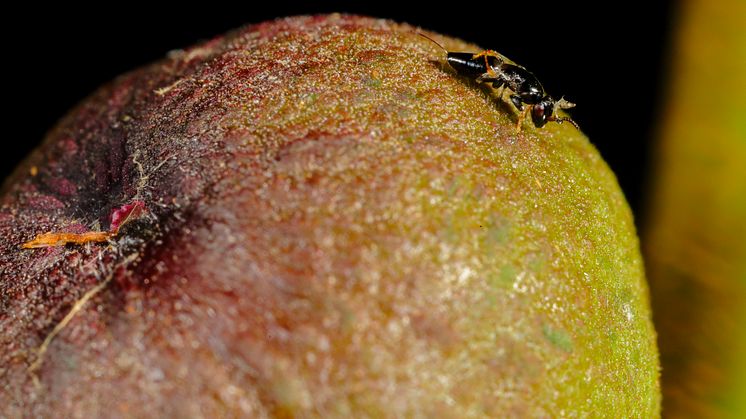
    Researchers from Uppsala University and elsewhere have been studying the effect of rising temperatures on the lifespan of pollinating fig wasps. The findings show that the wasps lived much shorter lives at high temperatures, which would make it difficult for them to travel the long distances between the trees they pollinate.

  • ​Multigenerational effects of environmental toxins

    The effects of the endocrine disruptor linuron on frogs are not limited to those exposed, but are passed on to their offspring (reduced body weight and decreased fertility) and grand-offspring (increased body weight and a disrupted metabolism). This is demonstrated by a new study (Uppsala University and Stockholm University), published in the journal Science of the Total Environment.

  • Association between high blood PCB levels and premature death

    High levels of polychlorinated biphenyls (PCBs) in the blood are associated with premature death. This is shown by a cross-disciplinary study, based on 1,000 randomly selected 70-year-olds in Uppsala, that is published in the JAMA Network Open journal today.

  • Uppsala Health Summit publishes pre-conference report

    For the upcoming Uppsala Health Summit on antibiotic resistance, 2–3 June, a report has now been published focusing on some of the most pressing issues and challenges. The aim of the meeting is to move the discussion forward, from the ‘what’ to the ‘who’ and ‘how’.

  • PCB can increase risk of abdominal fat

    There is a correlation between high levels of the environmental toxin PCB and the distribution of body fat to the abdomen. This is shown in a new study published today in the scientific journal Obesity. Abdominal fat is already known to increase the risk of diabetes and high blood pressure, among other conditions.