Skip to content

Topics: Children, Youth

  • Computer simulation improved understanding of migrants

    Computer simulations can help people gain a better understanding of the situation faced by migrants. This is shown by a new study in which 148 teenagers were assigned random migration pathways, with different start and end points. Along the way, they encountered unforeseen events that affected their journey. Experiences from the game led to a partial shift in attitudes towards migration.

  • Source criticism in school requires more than isolated interventions

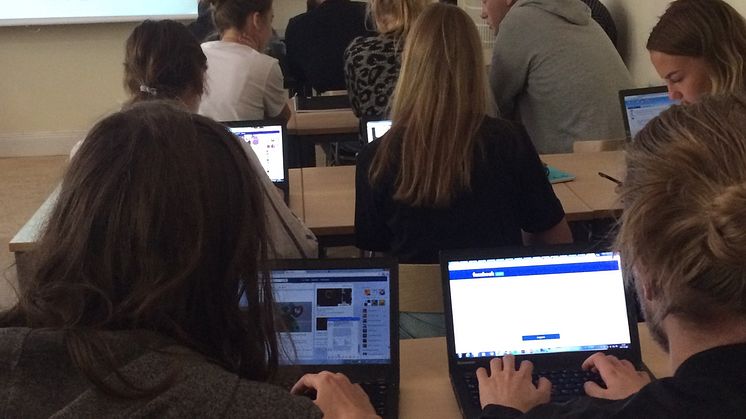
    Short teaching interventions on disinformation have no long-term effect on upper secondary school students’ ability to distinguish between credible and misleading news. Strengthening school students’ resilience to disinformation requires more than isolated interventions on source criticism. A new study of 459 Swedish upper secondary school students, is no published in PLOS One.

  • Skin-to-skin contact with babies increased significantly after training

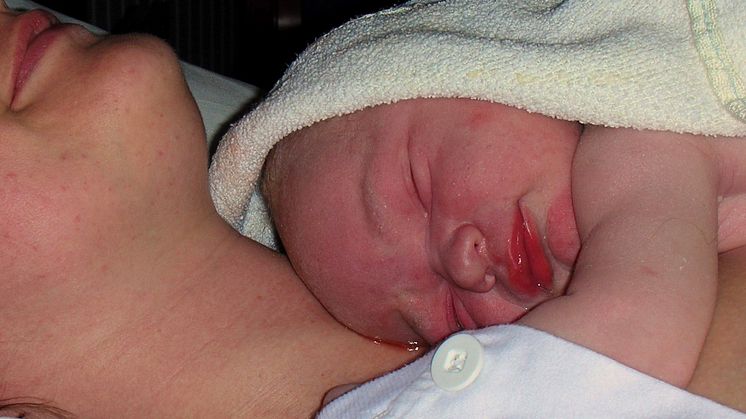
    Targeted training interventions for both health professionals and parents significantly increase the amount of skin-to-skin contact between newborns and their parents in the first 48 hours after birth. The proportion of babies who received nearly 24 hours of skin contact over the first 24 hours increased from 33 per cent to 58 per cent. This is shown in a new study from Uppsala University.

    New born baby.