News —
Radon 2026: When Regulations Start Being Enforced
As we move into 2026, the radon issue is entering a new phase. For several years, the primary focus has been on establishing regulations and reference levels, particularly within the EU. Now, however, there are clear signs that more authorities across Europe are beginning to enforce these requirements, especially when it comes to radon measurements in workplaces.
In many countries, regulatory frameworks have been in place for a long time, but enforcement has been limited. That is now changing. Countries such as Spain and Portugal are examples of markets where authorities are actively driving efforts to measure radon in occupational environments. This includes both information campaigns and concrete requirements for employers to measure, document, and, where necessary, take remedial action.
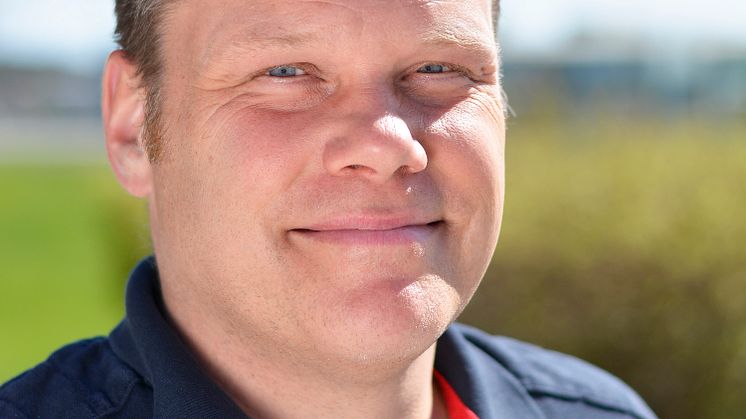
“We are seeing a clear shift where radon testing is no longer just a box-ticking exercise in legislation, but something that is being checked. When authorities begin to enforce regulations, the impact is felt quickly,” says Karl Nilsson, CEO of Radonova Laboratories.
Workplaces Drive Broader Measurement
The increased focus on workplaces also has indirect effects. As radon becomes a natural part of occupational health and safety guidelines, awareness grows among property owners, facility managers, and the general public. In many European countries, this leads to a rise in residential radon measurements, even though formal requirements are often more strongly linked to workplaces than to homes.
Overall, this contributes to radon awareness becoming more firmly embedded in society. It is moving from being a niche issue for specialists to an established part of the broader effort to ensure healthy indoor environments, both at work and at home.
Towards a More Coordinated European Approach to Radon
As more countries move from legislation to actual enforcement, the need for standardized measurement methods, clear reporting, and reliable results increases. This places demands on both authorities and market players but also creates better conditions for long-term protection against the negative health effects of radon.
“Looking ahead to 2026, our view is clear: it is not new regulations that will make the biggest difference, but the fact that existing requirements are being enforced. That is when we see real impact,” Karl Nilsson concludes.
For more information about radon and radon measurement, visit https://radonovalaboratories.com