Skip to content

Topics: Environment

  • Radonova Signs Danish Partner Agreement with RadonHuset

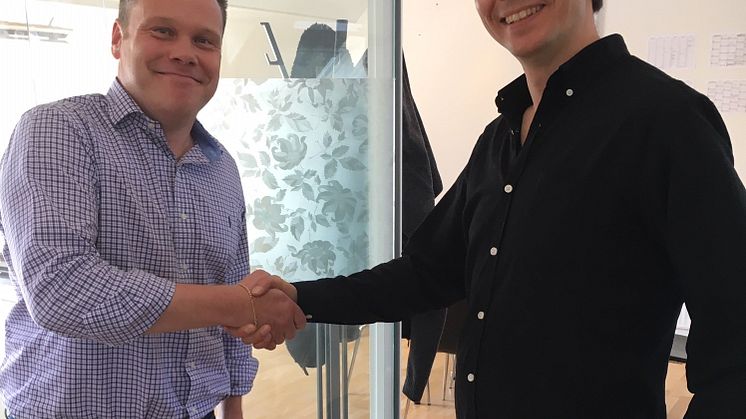
    Radonova Laboratories has signed a partnership agreement with Denmark's leading radon measurement company, RadonHuset, which will enable Radonova to deliver radon detectors to RadonHuset's customers.

  • Accreditation guarantees accurate radon measurement

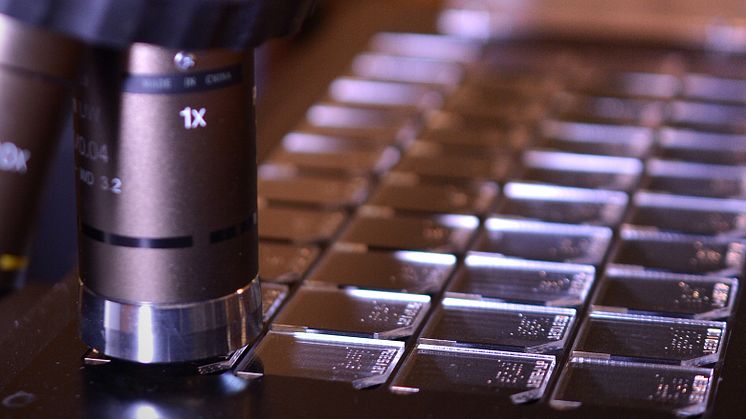
    Accreditation guarantees the quality of a radon measurement, in part because the laboratory's measurement processes are regularly checked by independent organizations. The definition of an accredited radon measurement is a measurement obtained using radon detectors from a laboratory which is accredited according to ISO/IEC 17025 and follows the instructions that accompany the detectors.

  • Measuring radon in water – Radonova gets top marks in EU test

    Radonova Laboratories has achieved excellent results in the comparative EU test “REM 2018”. The test measures the incidence of radon in water and compares participating laboratories’ analytical results with a reference value. Radonova’s analysis had an average deviation of 3.1 per cent in relation to the reference value. Deviations up to 15 per cent are judged to be an acceptable result.  

  • How many radon detectors are needed to measure a workplace?

    Since the EU's new radiation protection directive (2013/59/Euratom) came into force in 2018, it is mandatory that employers should be aware of radon levels in the workplace. The new directive has entailed new national laws in member states, which has resulted in an increasing number of workplaces measuring radon levels.

  • Radiation measurement: from timber to wild boar

    Radonova’s story begins in 1986 when a group of researchers at Uppsala University in Sweden were commissioned to measure the radioactive fallout from the Chernobyl accident in Sweden and beyond. Each year Radonova carries out a large number of radiation measurements on everything from wild game meat to timber. Our customers are authorities, private individuals and companies.

  • Radon as a health risk – WHO report

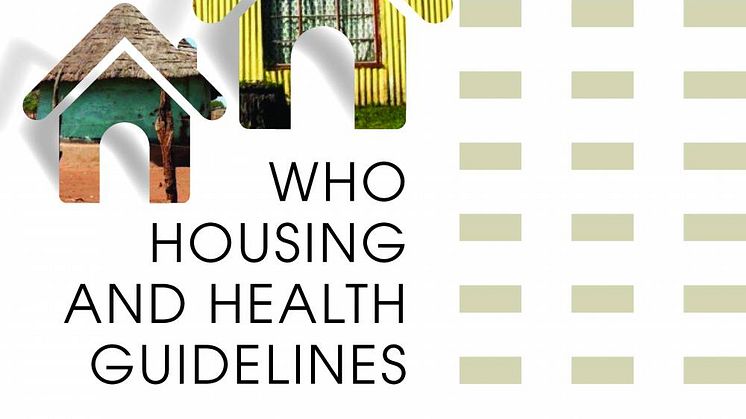
    The WHO’s latest report ‘Guidelines on Housing and Health’ describes how people’s housing and health are affected by a variety of factors. The report describes radon, among other factors, as a health risk. The report draws attention to the fact that radon should be regarded as a carcinogen on a par with tobacco smoke.

  • Radon maps don’t show radon levels in a specific building

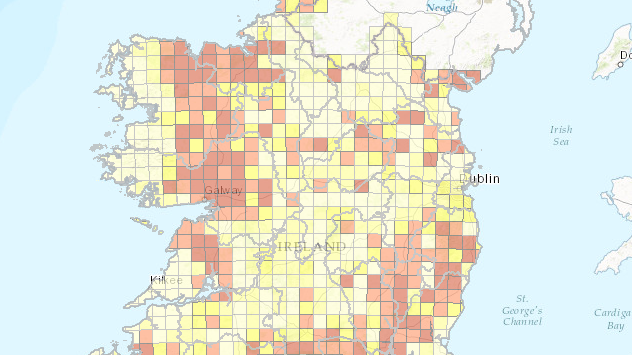
    ‘Radon maps’ is a term that frequently crops up when talking about the risk of radon. A radon map provides a general picture of the areas where there is a risk of high radon levels. These maps are available at both national and regional level. The problem with radon maps is, however, that they are a very blunt tool for anyone wanting to find out about radon levels in a specific building.

  • “It’s time the new Radiation Protection Act for workplaces is taken seriously”

    Sweden’s new Radiation Protection Act came into force on 1 June 2018. Now the country’s employers have to be aware of the radon levels in our workplaces. Employers also have to take action that may reasonably be required to tackle radon levels over the hygienic limit value of 200 Bq/m³. Johan Olsson of Radonova Laboratories describes his view of efforts to monitor radon in the workplace.

  • Radonova launches a new product for safe radon monitoring in soil

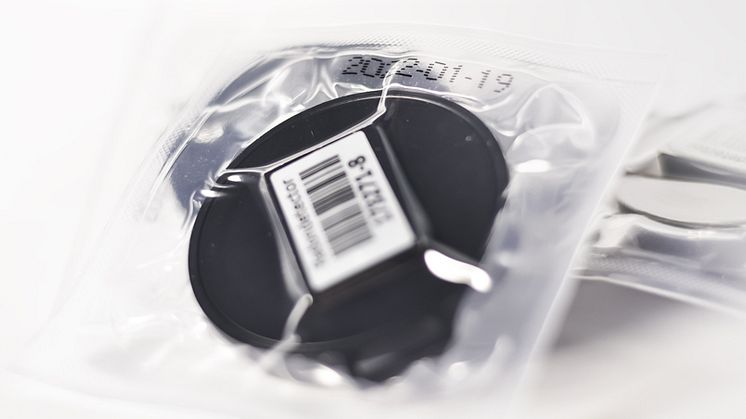
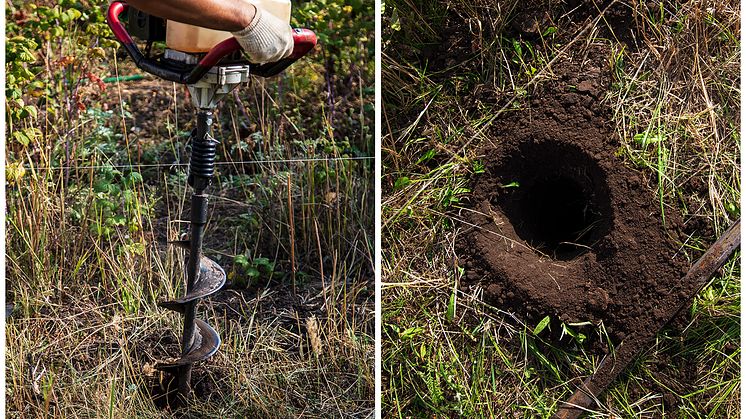
    Radonova Laboratories is launching a new detector that makes it safer and easier to monitor radon in soil. The new Ecotrak® detector can be used ahead of new builds and property modernisations and provides quick, reliable information on the amount of radon in the soil being tested. Unlike other commonly used soil detectors, Ecotrak® is covered by international comparative tests.

Show more