Blog post —
Why A Full Cheek Can Take Ten Years Off Your Looks
Updated on Sep 23, 2026
Sunken cheeks happen when facial fat and collagen decline with age, smoking, illness, or rapid weight loss, creating a hollow, tired-looking face. The two main treatments are dermal fillers (temporary, 9–12 months) and facial fat grafting (longer-lasting, using your own fat).
Key Takeaways
- Sunken cheeks typically indicate aging due to decreased collagen production, leading to loss of facial fat and skin elasticity.
- Lifestyle factors like smoking and sun exposure can worsen this issue.
- Rapid or unexplained sunken cheeks may signal health problems and should be evaluated by a doctor.
- Dermal fillers provide quick, temporary volume restoration but require regular upkeep, lasting only 9–12 months.
- A longer-lasting option is facial fat grafting, which uses the patient’s own fat for more durable results and can be combined with treatments like Ultherapy® or BoNTA.
Sunken cheeks appear striking on runway models and actors, but for most people, hollow cheeks are a sign of facial ageing rather than a stylistic choice. Since a full, rounded cheek is closely linked to a youthful look, understanding why cheeks hollow out, and which treatment actually restores volume, matters if you're evaluating your options.
What Causes Sunken Cheeks?
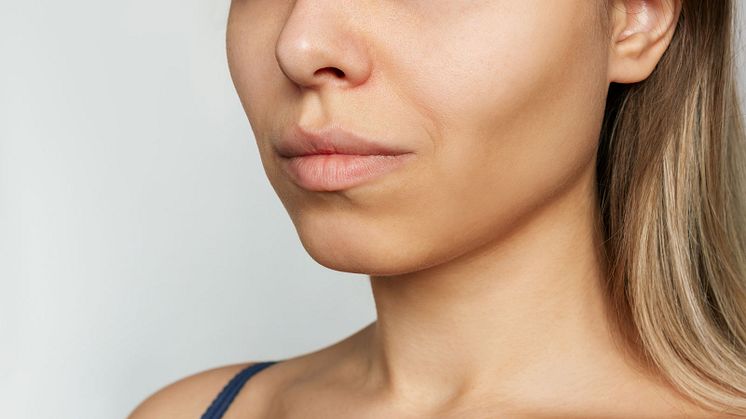
Sunken cheeks develop in the area between the cheekbone and the jawline, where fat pads and skin structure naturally sit. When that tissue shrinks or shifts, the area hollows out, emphasizing the cheekbone but ageing the overall face. Common causes include:
Ageing: Collagen production slows over time, reducing skin elasticity and causing facial fat pads to lose volume and sag.
Smoking: Restricts nutrient and oxygen delivery to skin, accelerating volume loss and dullness.
Environmental exposure: Sun damage, pollution, and harsh weather break down collagen and skin structure over time.
Rapid weight loss or illness: Conditions like anorexia can cause fast, significant fat loss in the face, which requires medical attention beyond cosmetic treatment.
Ageing is the most common cause, but lifestyle factors like smoking and poor nutrition can accelerate it, meaning some sunken-cheek symptoms are preventable.
Treatment Options for Sunken Cheeks
Option 1: Dermal Fillers
Dermal fillers are non-surgical injectables that add immediate volume to hollow areas of the face.
| Factor | Details |
|---|---|
| Invasiveness | Non-surgical |
| Downtime | Minimal |
| Duration | 9–12 months |
| Best for | Quick results, first-time treatment, lower upfront commitment |
| Trade-off | Requires repeat treatments, higher long-term cost |
Option 2: Facial Fat Grafting
Facial fat grafting (ADR-C Facial Fat Grafting) is a minimally invasive procedure where a doctor extracts fat from another part of the body, purifies it, and reinjects it into the cheeks.
| Factor | Details |
|---|---|
| Invasiveness | Minimally invasive |
| Downtime | Moderate |
| Duration | Longer-lasting than fillers |
| Best for | Patients wanting a more permanent solution, or already undergoing liposuction |
| Trade-off | More involved procedure than fillers |
Fat grafting results can be enhanced by pairing it with complementary treatments such as Pico Fractional Laser, Ultherapy® Prime, or anti-wrinkle injections (BoNTA) for improved skin quality alongside restored volume.
Tip: If you're already planning liposuction elsewhere on the body, the extracted fat can be repurposed for facial fat grafting instead of being discarded.
Why Fuller Cheeks Look Younger
As faces age, their shape shifts from an inverted triangle or heart shape toward a more square, flatter profile. Full cheeks preserve the youthful contour, while hollow cheeks read as tired, gaunt, or aged, even in people who are otherwise healthy. Aesthetic treatments today allow this volume to be restored, though the right option depends on individual goals, budget, and facial structure.
FAQ
What causes sunken cheeks?
Sunken cheeks are mainly caused by ageing-related collagen loss, but smoking, sun/pollution exposure, and rapid weight loss or illness can also cause or worsen the condition.
Do dermal fillers or fat grafting last longer for sunken cheeks?
Fat grafting generally lasts longer than dermal fillers. Fillers typically last 9–12 months before needing a touch-up, while fat grafting uses the patient's own fat for longer-lasting volume.
Can sunken cheeks be reversed naturally?
Lifestyle changes, quitting smoking, protecting skin from sun and pollution, and maintaining a healthy diet, can slow further volume loss and support skin health, but they won't restore volume already lost. Medical treatments like fillers or fat grafting are needed to reverse existing hollowing.
Is sunken cheeks a medical concern or just cosmetic?
Usually cosmetic and linked to ageing, but sudden or severe sunken cheeks can signal rapid weight loss or an underlying illness (such as an eating disorder) and should be evaluated by a doctor.