Blog post —
Will fat return after liposuction?
Updated on Aug 22, 2026
No, fat cells removed by liposuction are gone permanently and do not regenerate in the treated area. However, remaining fat cells throughout the body (including untreated areas) can still expand if you gain weight. With significant weight gain (more than ~10% of body weight), the body may trigger new fat cell formation elsewhere in the body. This is why liposuction is a body-contouring procedure, not a weight loss method.
Key Takeaways
- Liposuction permanently removes the fat cells it treats; those specific cells cannot grow back.
- Weight gain after liposuction doesn't "bring back" fat in treated areas; instead, remaining fat cells (in treated and untreated areas) can enlarge.
- A modest weight gain (around 5kg) mainly causes fat cells to expand, with treated areas expanding less because they have fewer cells.
- A larger weight gain (over ~10% of body weight) can cause the body to form new fat cells, distributed evenly, meaning treated areas still gain proportionally less than before.
- Most patients who gain weight after liposuction still look better than they did pre-surgery.
How Liposuction Removes Fat
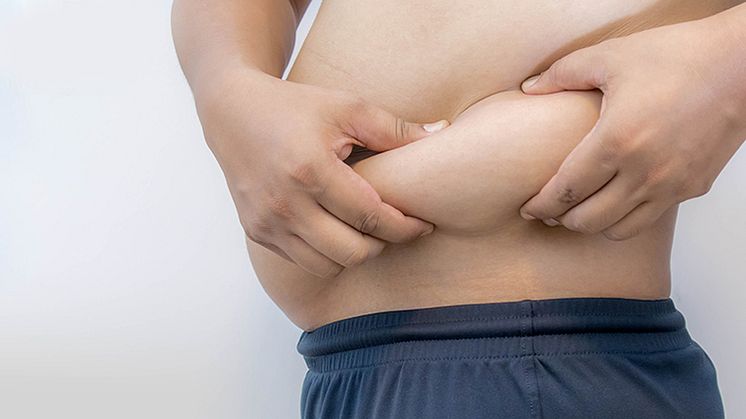
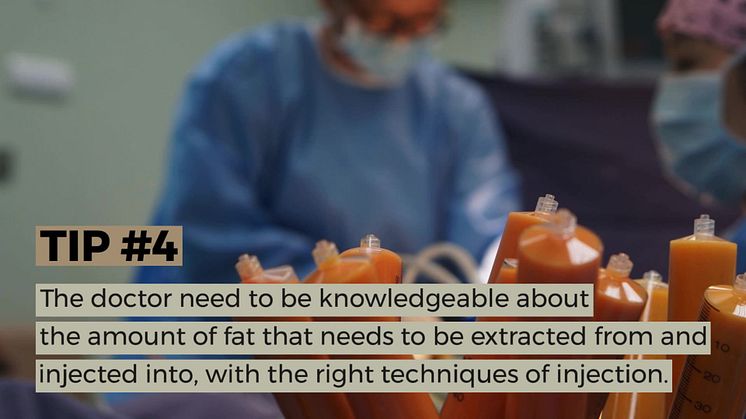
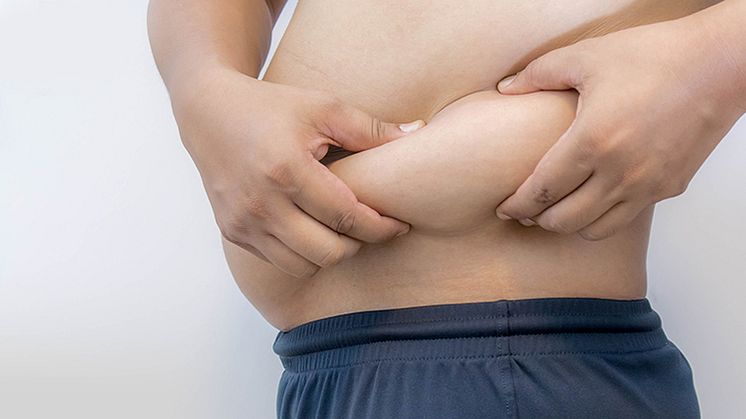
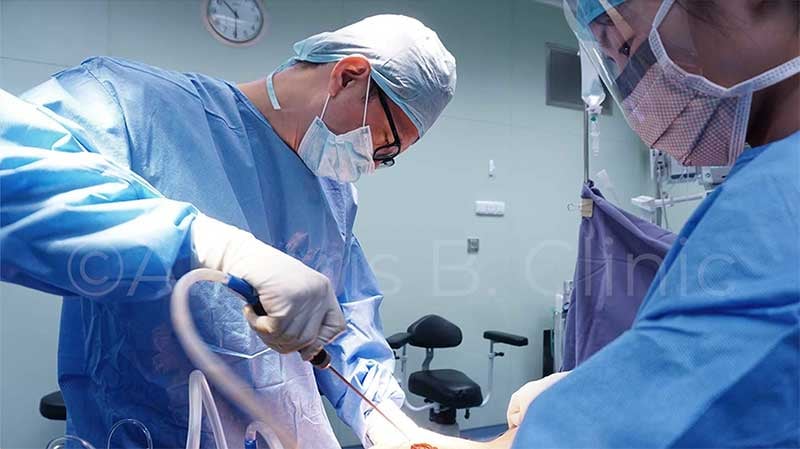
Liposuction, medically termed suction-assisted lipectomy, is the most commonly performed fat reduction and body contouring procedure worldwide. While several liposuction techniques exist, they all share the same mechanism: a cannula paired with a suctioning device (aspirator) physically removes fat tissue from targeted areas such as the abdomen, hips, thighs, and armpits.
Because the procedure physically extracts fat cells rather than just shrinking them, the results in the treated area are considered permanent.
Is Liposuction Permanent? Can Fat Cells Regenerate?
Fat cells do not regenerate in the specific areas where liposuction was performed. Once fat cells are suctioned out, they are gone for good.
That said, liposuction isn't a weight loss tool. It's important to understand the distinction:
| Liposuction | Weight Loss | |
|---|---|---|
| What it changes | Number of fat cells in targeted areas | Size of fat cells throughout the body |
| Effect on treated area | Permanent fat cell removal | Fat cells shrink but remain |
| Best for | Body contouring / stubborn fat pockets | Overall body weight reduction |
What Happens If You Gain Weight After Liposuction?
This is the question most patients actually mean when they ask, "will the fat come back?" The honest answer depends on how much weight is gained.
Small Weight Gain (~5kg)
A modest weight gain typically causes existing fat cells to expand, not increase in number. Because the treated area has fewer fat cells overall, it enlarges more slowly than untreated areas. Liposuction results generally remain visible even with some weight fluctuation.
Significant Weight Gain (over ~10% of body weight)
With substantial weight gain, the body can create new fat cells, including, to some extent, in previously treated areas. However, because new fat cells form evenly across the body rather than concentrating in old trouble spots, treated areas still tend to accumulate proportionally less fat than they would have without liposuction.
In practice, most patients who experience considerable weight gain post-liposuction still look better than they did before the procedure.
Can Fat "Move" to Other Areas After Liposuction?
Fat doesn't literally relocate, but it can look like it. Since treated areas have a capped number of fat cells while untreated areas don't, any weight gained tends to show up more visibly in untreated regions. This creates the illusion of fat "shifting" elsewhere, when in reality untreated areas simply have more room to expand.
How to Maintain Liposuction Results Long-Term
To preserve results, patients should:
- Maintain a stable, healthy body weight through balanced nutrition
- Engage in regular physical activity
- Avoid significant rapid weight gain
- Treat post-lipo maintenance as part of an ongoing healthy lifestyle, not a one-time fix
FAQ
Does fat come back after liposuction?
No. Fat cells removed during liposuction are permanently eliminated and do not return in the treated area. However, remaining fat cells elsewhere in the body can still grow with weight gain.
Can you gain weight after liposuction?
Yes. Liposuction doesn't prevent future weight gain; it only removes existing fat cells from specific areas. Afterwards, weight gain is distributed among the remaining fat cells throughout the body.
How much weight gain affects liposuction results?
Minor weight gain (a few kilograms) mainly causes fat cell expansion with limited visible impact on treated areas. Weight gain exceeding roughly 10% of body weight can trigger new fat cell formation, which may partially affect treated areas too, though usually less than untreated ones.
Is liposuction a permanent solution?
Liposuction permanently removes the fat cells it treats, making results long-lasting in the treated area. It is not a permanent solution for overall weight gain, which is why a healthy lifestyle is recommended after the procedure.
Is liposuction a weight loss procedure?
No. Liposuction is a body contouring procedure designed to remove stubborn, localised fat pockets, not a method for overall weight loss.