European voters say no to tariffs
There is no popular support for imposing trade tariffs in Europe − not even in response to Trump’s trade policies. This is according to a new study based on responses from 5,500 people in Germany and the UK.

There is no popular support for imposing trade tariffs in Europe − not even in response to Trump’s trade policies. This is according to a new study based on responses from 5,500 people in Germany and the UK.
The most comprehensive geoarchaeological survey of Egypt’s Karnak Temple complex has been carried out by an international research team led from Uppsala University. The temple is one of the ancient world’s largest temple complexes and part of a UNESCO World Heritage site within the modern-day city of Luxor.

AI can be used to detect cervical cancer in women in resource-limited parts of the world. However, for this method to work, investments are needed in healthcare staff, reliable supply chains and trust in these communities.

More than 100,000 people are estimated to have died as a result of extreme heat during the summers of 2022 and 2023 in Europe. A new study shows that it is possible to make accurate forecasts of heat-related mortality about a week in advance. The forecasts could be used in heat warnings to protect vulnerable groups.

Fewer than one per cent of people who have changed their legal gender choose to revert to the gender they were assigned at birth. This has been shown in a new study from Uppsala University in which the researchers looked at how stable a gender change is over time in Sweden.

How much people trust politicians affects their support for climate policies. The less trust we have in politicians, the less likely we are to accept climate policies that mean paying a price as individuals. And people are especially resistant towards taxes. These are the results of a new survey of over 6,000 respondents in four European countries, published in the Journal of Public Policy.
A new study has shown that there are different types of European cisco in Swedish waters that are each genetically adapted to fresh, saline or brackish water. Genetics also steers where European cisco spawn. The new knowledge from this study can be used in continuing the sustainable management of the species, and for investigating whether the spawning environment affects the quality of the roe.
Twenty years ago, vegetarian options in Swedish supermarkets were few and far between. Today there is a broad selection of products available including vegetarian sausages and fillets, and veggie balls, the vegetarian version of meatballs. New research shows how a range of actors have managed to drive this change, despite the fact that interest from politicians has been lukewarm at best.

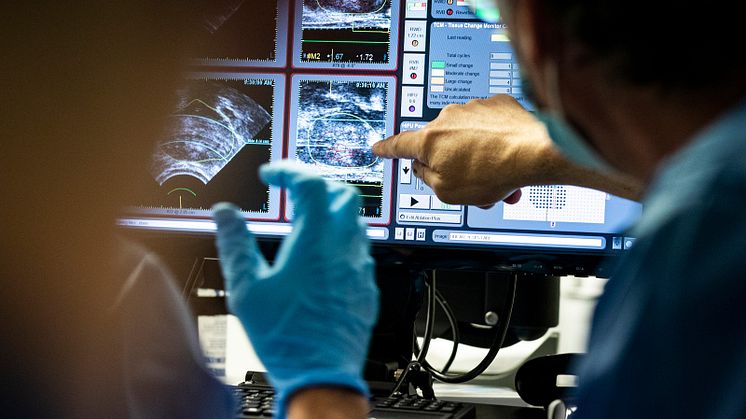
Men assessed as healthy after a pathologist analyses their tissue sample may still have an early form of prostate cancer. Using AI, researchers at Uppsala University have been able to find subtle tissue changes that allow the cancer to be detected long before it becomes visible to the human eye.

Batteries in electric vehicles wear out too quickly and this is slowing down the electrification of the transport sector. Researchers at Uppsala University have now developed an AI model that can provide a much more accurate picture of battery ageing. The model could lead to longer life and enhanced safety for electric vehicle batteries.
Parents of children diagnosed with type 1 diabetes suffer an income drop in the years following the diagnosis. The impact is more pronounced in mothers, especially mothers of children diagnosed in preschool years. These novel findings from a study led by researchers at Uppsala University, Sweden, have now been published in Diabetologia.
Lakes have long been viewed as sources of carbon dioxide emissions, but new research suggests they may actually act as carbon sinks. A study led by Uppsala University reveals that lake shorelines store more carbon than previously believed, highlighting the need to include these littoral zones in calculations of the continental carbon balance.

In the largest Nordic study to date concerning oesophageal cancer surgery, the researchers found clear evidence that decompression with a nasogastric tube is associated with less serious complications. Their results challenge a trend of declining use of the nasogastric tube after major surgical procedures.

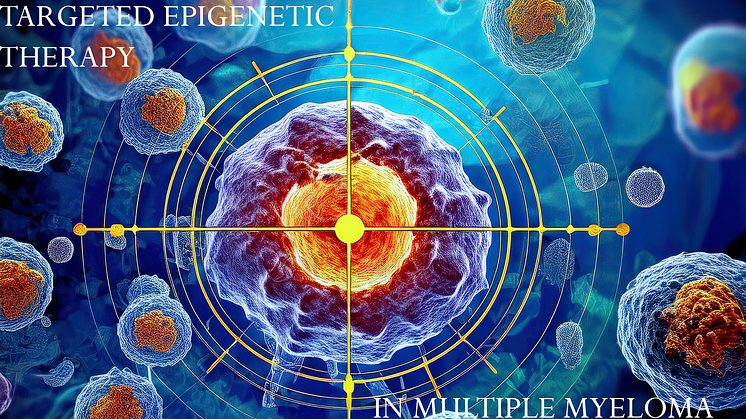
Researchers at Uppsala University have identified a promising therapeutic approach for the challenging blood cancer multiple myeloma. In a new preclinical study, they demonstrate that a dual treatment with drugs that inhibit epigenetic regulation reduces tumour growth and induces cancer cell death.
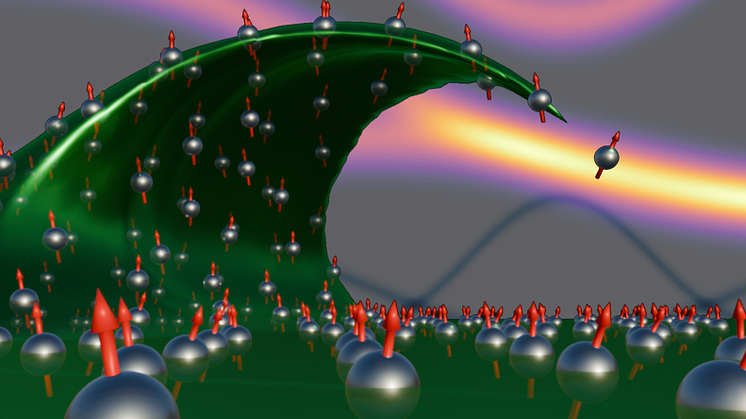
For the first time, spin waves also known as magnons, have been directly observed at the nanoscale. This breakthrough was made possible by combining a high–energy-resolution electron microscope with a theoretical method developed at Uppsala University. The results open exciting new opportunities for studying and controlling magnetism at the nanoscale.
An international research team led from Uppsala University has identified new mechanisms behind how the aggressive brain tumour glioblastoma spreads in the brain. Targeting the identified connection between the tumour invasion routes and the tumour cell states could be a potential new treatment strategy.
Most men who are treated for prostate cancer according to modern guidelines have good survival rates and the majority of these men will die of causes other than prostate cancer. This is revealed in a new study from Uppsala University published in the Journal of the National Comprehensive Cancer Network. "“We were surprised by how much life expectancy affected the prognosis" says Marcus Westerberg.
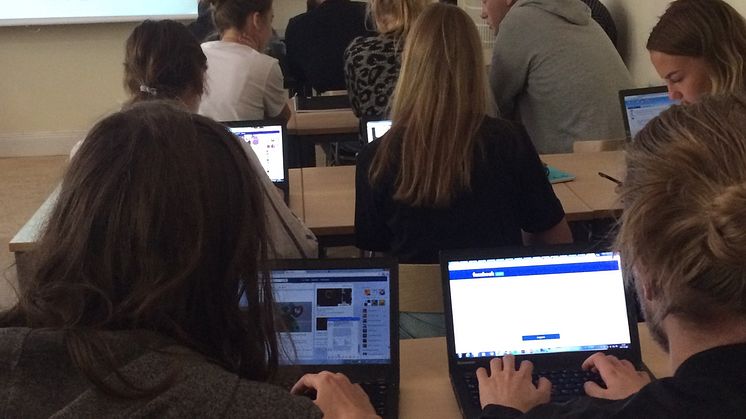
Short teaching interventions on disinformation have no long-term effect on upper secondary school students’ ability to distinguish between credible and misleading news. Strengthening school students’ resilience to disinformation requires more than isolated interventions on source criticism. A new study of 459 Swedish upper secondary school students, is no published in PLOS One.
Targeted training interventions for both health professionals and parents significantly increase the amount of skin-to-skin contact between newborns and their parents in the first 48 hours after birth. The proportion of babies who received nearly 24 hours of skin contact over the first 24 hours increased from 33 per cent to 58 per cent. This is shown in a new study from Uppsala University.
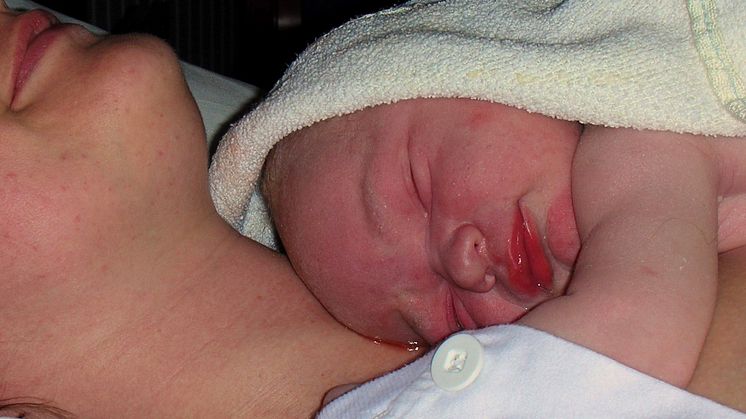
How much an infant cries is largely steered by their genetics and there is probably not much that parents can do about it. This has been shown in a new Swedish twin study from Uppsala University and Karolinska Institutet in which researchers investigated how genetics and environment influence infants’ crying duration, sleep quality and ability to settle during the first months of life.