Blog post —
Menopause Weight Gain & Belly Fat: Why It Happens and What Actually Works
Updated on Aug 15, 2026
Menopause weight gain, especially around the belly, is driven mainly by declining oestrogen, age-related muscle loss, genetics, and lifestyle factors like stress and poor sleep. Spot reduction exercises don't work; sustainable results come from a combined approach of nutrition, tailored fitness, and in some cases medical intervention (including GLP-1 medication), with Vaser Liposuction as an option for body contouring once a healthy weight is reached, not as a weight loss method itself.
Key Takeaways
- Factors like declining oestrogen, muscle loss, slower metabolism, genetics, stress, and poor sleep affect women during menopause.
- Weight loss and belly fat loss are different; dieting often doesn't target stubborn areas effectively.
- Spot reduction is a myth, exercises for specific areas don't lead to fat loss in those regions.
- Menopausal belly fat poses health risks, including cardiovascular disease, type 2 diabetes, and cancer.
- Vaser Lipo is a body contouring tool, not a weight loss solution; it should follow achieving a healthy weight through proper nutrition, exercise, and medical intervention when needed.
By Anna Murphy, Expat Living Singapore
My Menopause Transition: A First-Hand Account
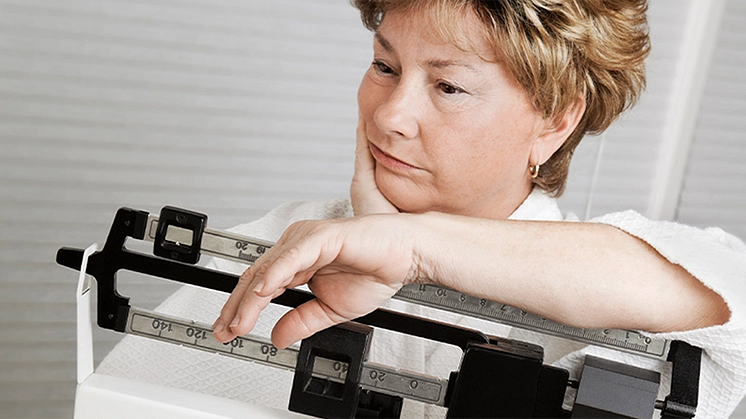
In my 20s, I was a size 10, occasionally an 8. After having twins in my early 30s, I fit back into my pre-mum jeans without much trouble. My 40s were less forgiving, early-onset menopause combined with sedentary habits pushed my weight up to a size 12.
It's easy for magazine writers and social media to lecture about diet and exercise, but menopause changes the equation entirely. Alongside depression, brain fog, and hormonal shifts, there's a heavy, sluggish feeling that makes both exercise and diet feel nearly impossible.
Not everyone has a difficult transition. But understanding menopause, starting as early as the perimenopausal period around age 30, can help you get ahead of the middle-age spread that tends to settle around the abdomen, hips, and thighs.
Why Does Menopause Cause Belly Fat? Genetics, Hormones & Lifestyle
Declining oestrogen is the biggest driver of menopausal weight gain, but it isn't the only one:
Genetics
Family resemblance isn't just about looks; body shape and fat distribution patterns are inherited too.
Muscle loss
Age-related muscle loss slows metabolism, meaning the body burns fewer calories at rest. That means eating less and moving more becomes necessary just to maintain weight, let alone lose it.
Sleep and stress
Poor sleep and elevated cortisol both contribute to comfort eating and abdominal fat storage.
Why Middle-Age Belly Fat Is a Health Risk, Not Just an Appearance Issue
Excess abdominal fat isn't only a cosmetic concern. It's linked to breathing problems, cardiovascular disease, and type 2 diabetes, and it raises the risk of breast, colon, and endometrial cancers.
Does Hormone Replacement Therapy Help With Menopausal Weight Gain?
Some research suggests hormone replacement therapy (menopausal hormone therapy) is associated with reduced fat gain and may have a positive effect on preserving muscle mass during menopause.
Weight Loss vs Fat Removal: Why They're Not the Same Thing
Dr Ivan Puah, Medical Director of Amaris B. Clinic, explains the distinction that trips up most people trying to lose menopausal belly fat:
"Treatment for weight gain in menopause and targeted belly fat loss are very different. When you lose weight, you lose both fat and muscle. At the same time, the rate at which different parts of your body burn through fat is different as well. For example, one may lose more fat from unexpected areas, such as the breasts, rather than from 'stubborn' areas like the hips when one starts to lose weight. Or worse, regain the weight lost after all the hard work."In other words: general weight loss and losing fat from a specific stubborn area are two different problems requiring different solutions.
Why Is Weight Loss Harder After 40?
Women over 40 face a compounding set of physiological changes that make weight loss more difficult than at earlier life stages:
- Hormonal shifts during perimenopause and menopause
- A natural decline in metabolic rate
- Decrease in muscle mass
- Increased insulin resistance
A Doctor-Led Weight Loss Programme for Women Over 40 in Singapore
At Amaris B. Clinic, weight loss is treated as a medical concern, not just an aesthetic goal. Dr Ivan Puah, who holds a Graduate Diploma in Sports Medicine, tailors each programme to the patient, drawing from:
- Evidence-based nutrition guidance
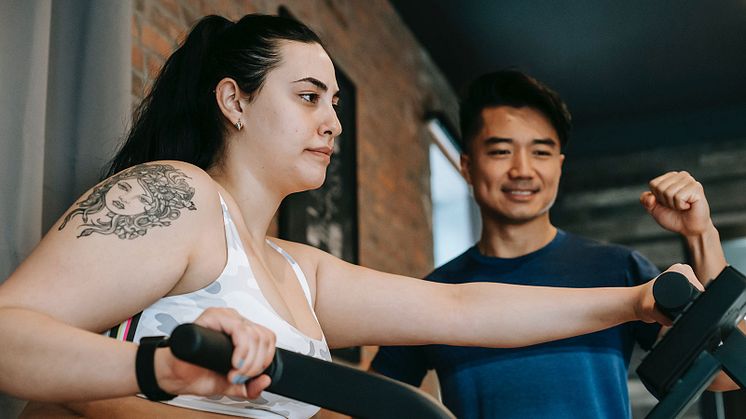
- A fitness regimen customised to the patient's lifestyle
- Medical intervention where appropriate, including prescription GLP-1 medication (oral or injectable)
The goal, according to Dr Puah, aligns with what most women over 40 are actually looking for: better overall health, reduced risk of chronic disease, improved self-confidence, and a better quality of life, not just a smaller dress size.
How Vaser Liposuction Fits Into Belly Fat Reduction
Once a healthy weight is achieved, Vaser Liposuction can reshape and refine body proportions. It's important to note: Vaser Lipo is not a weight loss treatment, it's a body contouring procedure for stubborn fat that doesn't respond to diet and exercise.
Because it's an ultrasound-assisted technique, Vaser Lipo:
- Leaves surrounding tissue undisturbed
- Reduces blood loss compared to traditional liposuction
- Permanently removes fat cells with minimal scarring
- Stimulates collagen production, helping skin retract and reducing sagging
FAQ
Why doesn't spot reduction work for belly fat?
Targeting exercise at one body part doesn't slim that specific area, the whole body benefits from exercise, but it doesn't address localised fat. Research published in the Journal of Strength and Conditioning Research found that six weeks of intensive ab workouts didn't reduce midsection size, and a related study found that 12 weeks of single-arm training reduced loose skin in the trained arm but produced no measurable fat loss there. Fitness bodies such as the American Council on Exercise (ACE) consider spot reduction a myth rather than an evidence-based method.
Will GLP-1 medications make me look older?
Visible signs linked to GLP-1 medication misuse include sagging skin, gauntness, and increased facial wrinkling and hollowing. However, this is associated with misuse rather than proper use, following a doctor-tailored weight loss programme makes this outcome unlikely.
Are GLP-1 medications legal in Singapore?
GLP-1 medications are approved for type 2 diabetes treatment. Using them for weight loss without a diabetes diagnosis and outside medical guidance falls under drug misuse. These medications should only be used under proper medical supervision and approved guidelines.
What app does Dr Ivan Puah recommend for a weight loss journey?
Dr Puah recommends Healthy 365, a free app by Singapore's Health Promotion Board (HPB). He notes it stands out for showing calorie information specific to food commonly found in Singapore, which helps him give patients more accurate dietary advice.
Does stress cause weight gain, particularly belly fat?
Yes, stress contributes to belly fat accumulation in addition to affecting overall well-being. Poor sleep compounds this, since research links sleep deprivation to negative changes in metabolism. Regular relaxation, such as walking, and prioritising sleep are both recommended.
Is Vaser Liposuction a weight loss treatment?
No. Vaser Lipo is a body contouring procedure for stubborn fat that resists diet and exercise, it's intended to reshape proportions after a healthy weight is reached, not as a method for losing weight itself.