Blog post —
Post-holiday Weight Gain & Fat Gain: Here’s What’s More Concerning
Updated on May 8, 2026
Holiday weight gain, a phenomenon many experience from late November to early January, averages around 0.5kg.
Research involving participants from various countries confirmed that extra weight typically persists beyond the holiday season. Contributing factors include stress, indulgent holiday foods, and reduced physical activity.
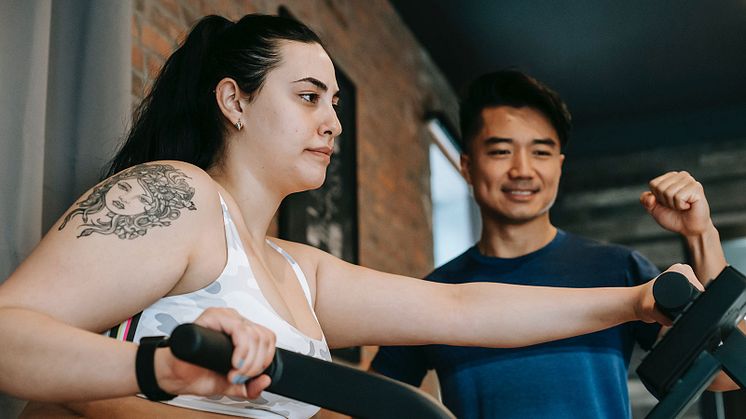
To manage holiday weight gain, it is recommended to make mindful food choices. Regular strength training is also encouraged to build muscle and potentially help with the appearance of loose skin that can accompany weight loss.
For those struggling with stubborn fat pockets after weight loss, liposuction is presented as an effective option. Dr Ivan Puah’s MDC-Sculpt®️ Lipo technique is highlighted for its tailored approach to body contouring, addressing individual body shapes and fat distribution.
There’s no denying the thrill of exploring new destinations and immersing ourselves in different cultures.
However, after the adventure ends, a not-so-welcome souvenir may have tagged along: a few extra kilograms that greet us on the weighing scale.
While you’re glad to have indulged in local delicacies, you’re probably looking for ways to lose holiday weight gain.
But do we really have to worry about holiday weight gain?
Holiday weight gain is a worldwide phenomenon
Research suggests that those cherished months from late November to early January can be a perilous time for our waistlines [1].
It’s reported that adults, regardless of their weight loss aspirations or meticulous food tracking, are not so fortunate when it comes to post-holiday weight gain.
Numerous studies have unveiled the undeniable truth — adults tend to pack on a little extra during the holiday season [2].
On average, we gain about 0.5kg during this joyful period [3]. But here’s the kicker: this weight tends to stick around long after the holiday decorations have been packed away, contributing to the ever-increasing numbers on our scales as we journey through adulthood.
Holiday weight gain, proven by researchers
To uncover the international allure of holiday weight gain, an intrepid team of researchers set out on a global expedition [2].
They targeted participants celebrating Thanksgiving in the United States, Easter in Germany, Golden Week in Japan, and the universally beloved Christmas celebration.
They discovered that holiday weight gain transcended borders, affecting revellers worldwide!
With 2,924 adults in their 40s as their trusty travel companions, armed with “smart scales” and a mission to unlock the secrets of holiday weight gain, the researchers embarked on their study.
Day after day, the participants diligently recorded their weights. The results were eye-opening.
In all three countries, participants noticed a fascinating pattern. Ten days after Christmas, their weights hovered around a jolly 0.5% higher. It’s as if those extra helpings of holiday cheer had left a lasting mark on their scales.
The volunteers gained an average of 0.2% to 0.3% during these celebrations, proving that holiday weight gain is a persistent traveller, never missing a chance to leave its mark.
How to lose holiday weight gain consistently without excessive loose skin
There’s a not-so-flattering side effect that often tags along with an awe-inspiring weight loss feat: the dreaded excess skin.
The speed at which you shed those pounds can play a significant role in the amount of loose skin you’re left with. To put it simply, the faster the weight loss, the more noticeable the skin sagging can be.
Before you embark on a rapid weight-loss journey, it’s crucial to understand the potential consequences and to arm yourself with the knowledge to navigate this cosmetic challenge.
Research has unveiled the culprits behind those extra pounds that tend to sneakily appear during this period.
Stress takes centre stage as a significant contributor, with the holiday hustle and bustle taking a toll on our waistlines [4].
Social gatherings offer tempting arrays of high-calorie delicacies and delightful drinks that beckon us to indulge.
Combine these factors with limited physical activity due to colder weather, and voilà – the perfect storm for holiday weight gain is created.
However, there are a couple of ways to impede that holiday weight gain.
Make specific food choices
During travel and the holiday season, it’s common for treats high in fats and sugars to be readily available, leading to increased snacking.
To curb this habit, try stashing these indulgent treats in inconspicuous places, like drawers or hard-to-reach areas.
Another option is to substitute them with high-fibre snacks such as apples with peanut butter or carrots with hummus.
By implementing these strategies, you can make snacking a healthier and more mindful experience, even during festive times.
For those struggling with weight gain, GLP-1 medications can aid in portion control and help reduce snacking. However, it is important to be closely monitored by your doctor while you are on your weight loss journey.
Engage in regular strength training

Whether you’re in the prime of your youth or gracefully embracing the golden years, a consistent strength-training routine is key to building and maintaining muscle mass.
There’s a possibility that an increase in muscle mass could help tone the appearance of loose skin, too.
How to lose stubborn fat pockets, even after weight loss
There’s plenty to celebrate when you’ve finally achieved your weight loss goals, but stubborn fat pockets can still put a damper on your confidence.
Well, there’s a body contouring solution that can help you bid farewell to those unwanted bulges: liposuction.
This transformative procedure targets localised areas of excess fat that seem impervious to exercise and diet, allowing you to achieve the sculpted silhouette you desire.
When it comes to liposuction expertise, turn to Dr Ivan Puah’s MDC-Sculpt®️ Lipo technique offers a multi-dimensional approach tailored to your unique body shape, fat distribution, and skin laxity.
He understands that precision is key to achieving optimal results. That is why Dr Puah strategically makes incisions to minimise scarring while effectively accessing the three fat layers.
By taking this meticulous approach, the MDC-Sculpt®️ Lipo technique removes fat thoroughly, promotes good skin retraction, and delivers natural, well-shaped outcomes that traditional liposuction often fails to achieve.
FAQ
How to find a doctor who can give you natural fat removal treatment results?
You can think of a good doctor as an artist trying to create a painting – they need to know how to use the right tools and painting techniques, and be able to visualise the best possible painting.
Combining science with art is something Dr Ivan Puah, from Amaris B. Clinic, strongly believes in his practice.
He is an accredited doctor in Singapore with indisputable technical skills:
- More than 20 years of experience in aesthetic medicine
- Received training and guidance in syringe liposculpture, fat grafting, and thread lift by French plastic surgeon, Dr Pierre Francois Fournier.
- Honed his surgical skills in gynecomastia surgeries in San Francisco
Coupled with his aesthetic sense and artistic mastery, Dr Puah works like an artist, crafting masterpieces to sculpt a natural-looking body.
What’s the difference between weight gain and fat gain?
Weight gain occurs when you consume more calories than you burn, leading to an accumulation of excess energy stored as fat. This excess fat is stored within fat cells, either by enlarging the existing cells or creating new ones.
Several factors contribute to unintentional weight gain, including poor sleep, a sedentary lifestyle, and the consumption of processed or sugary foods. However, adopting mindful eating habits, engaging in regular exercise, and focusing on whole foods can help you achieve your weight-loss goals and improve your overall health.
While lifestyle factors play a significant role in weight gain, certain medical conditions can also contribute to the problem.
If you have been following a nutritious diet and exercising regularly but still struggle to lose weight, it may be worth consulting a healthcare professional to rule out any underlying medical conditions.
On the other hand, fat gain refers to the increase in the size and number of fat cells within the body. The number of fat cells tends to stabilise during adolescence and adulthood unless significant weight fluctuations occur.
Consuming excessive calories over a prolonged period can cause the existing fat cells to expand and new ones to develop.
These enlarged fat cells become insulin-resistant, increasing the risk of Type II diabetes and cardiovascular disease.
Fat tends to accumulate primarily as subcutaneous fat, which is the fat located just beneath the skin’s surface around the waist, hips, upper back, buttocks, and thighs.
Excessive subcutaneous fat may pose health risks, but to a lesser extent than visceral fat."
What type of exercise is good for women above 30?
The female body takes a drastic shift for the worse as we pass the big 30. The journey beyond the 30 brings about an unwelcoming increase in body fat percentage with muscles becoming increasingly inflexible.
Dr Ivan Puah, founder and Medical Director of Amaris B, understands the frustrations of women beyond their 30s and is determined to help restore their former youth.
“To keep excess weight off the bay, stay active with cardiovascular exercises combined with strength training to increase metabolic rate and build muscle mass,” advises the doctor.
Do GLP-1 medications give you loose skin?
Yes, they may have an effect, but this is more related to individual factors than the medications themselves. At Amaris B. Clinic, all GLP-1 medications are closely monitored by a doctor. Your skin laxity prior to starting these medications significantly influences the appearance of your skin after weight loss.
Reference
- Guerrero-Magaña DE, Urquijo-Ruiz LG, Ruelas-Yanes AL, et al. Interventions for the prevention of weight gain during festive and holiday periods in children and adults: A systematic review. Obesity Reviews. 2025;26(1):e13836. doi:10.1111/obr.13836
- Yanovski JA, Yanovski SZ, Sovik KN, Nguyen TT, O'Neil PM, Sebring NG. A prospective study of holiday weight gain. N Engl J Med. 2000 Mar 23;342(12):861-7. doi: 10.1056/NEJM200003233421206. PMID: 10727591; PMCID: PMC4336296.
- Schoeller, D. A. (2014). The effect of holiday weight gain on body weight. Physiology & behavior, 134, 66-69.
- Hull, H. R., Radley, D., Dinger, M. K., & Fields, D. A. (2006). The effect of the Thanksgiving holiday on weight gain. Nutrition journal, 5(1), 29.