Pressemitteilung —
EU Methane Regulation: One-year Postponement Is Not Enough for Necessary Improvements
- By postponing, the EU acknowledges that key obligations of the Methane Regulation cannot be implemented in practice under the current timetable.
- Three years would provide the time needed for substantial improvements, legally sound standards and effective enforcement.
- Kehler: “The EU recognises the need for action on the Methane Regulation. But a one-year postponement is not enough for a fundamental overhaul.”
EU member states want to postpone key verification and reporting obligations of the EU Methane Regulation by just one year for now. The gas and hydrogen industry sees this as an important admission: the current legislation is not workable in practice. However, one year will clearly not be enough to create the standards and verification procedures that are still missing, to fundamentally revise the regulation and to implement it in the member states. In the upcoming trilogue, the Council should therefore follow Parliament and allow three years for a legally sound and practicable design.
The Council of the European Union today agreed on its negotiating position on the EU Methane Regulation. The obligations for importers regarding the monitoring, reporting and verification (MRV) of methane emissions, as well as the first reporting on the methane intensity of crude oil, natural gas and coal, are to apply only one year later than originally planned. For years, the industry has been pointing out the regulation’s shortcomings and calling for a “stop the clock”. Only now – shortly before key deadlines take effect and while Europe has to replace its remaining Russian gas imports – is the EU acknowledging the need for correction and responding. However, a one-year postponement will clearly not be enough to remedy the regulation’s shortcomings and make it workable in practice. The fact that the Council itself provides for additional implementing acts and a renewed review of implementability shows that key prerequisites for applying the regulation are still missing.
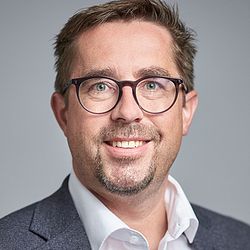
“The EU is finally acknowledging that the Methane Regulation needs to be improved. But a one-year postponement is not enough,” says Dr Timm Kehler, CEO of the association Die Gas- Und Wasserstoffwirtschaft. “The industry supports the goal of effectively reducing methane emissions along the natural gas supply chain. But to do so, we first need clear rules: binding certification standards, sufficient verification capacities and legally sound procedures for international supply chains that apply in all member states. These prerequisites cannot be created just a few months before the obligations take effect. With its three-year deadline, Parliament has taken the right path. The Council should follow suit in the trilogue.”
Germany and Europe remain dependent on gas imports. Long-term supply contracts in particular therefore require a reliable regulatory framework. The Council itself confirms this need for action by scheduling key implementing acts only for mid-2027. A one-year postponement therefore does not provide a reliable basis for long-term supply contracts. “It helps no one to postpone the deadline by one year only to find in twelve months’ time that key prerequisites are still missing. Three years would give the EU the time to substantially improve the regulation and give member states the opportunity to establish legally sound national enforcement. Suppliers and importers need reliable rules – not a postponement from one year to the next,” Kehler continued.
Themen
Kategorien
Regionen
Als Stimme der Branche bündelt der Verband DIE GAS- UND WASSERSTOFFWIRTSCHAFT e.V. die Interessen seiner Mitglieder und setzt sich dafür ein, dass die Potenziale von Wasserstoff und seiner Derivate sowie Biogas und Erdgas inklusive der dazugehörigen Infrastruktur genutzt werden. Zudem informiert er über den Beitrag gasförmiger Energieträger und ihrer Infrastruktur zu einer sicheren Energieversorgung sowie über die Möglichkeiten, Treibhausgasemissionen durch den Einsatz von Wasserstoff, seinen Derivaten und Biogas zu senken. Zugleich treibt er die Transformation der Branche hin zu neuen Gasen voran. Der Verband wird von führenden Unternehmen der Energiewirtschaft getragen und umfasst die gesamte Wertschöpfungskette von Produktion, Transport, Verteilung bis hin zu Handel, Vertrieb und Anwendungen. Weitere Branchenverbände und Industrieunternehmen unterstützen ihn als Partner.