Blog post —
What foods cause the fastest weight gain?
Updated on May 2, 2026
To help you along, here are some foods (and food groups) that you should avoid to prevent unwanted weight and, particularly, fat gain.
Refined starchy food
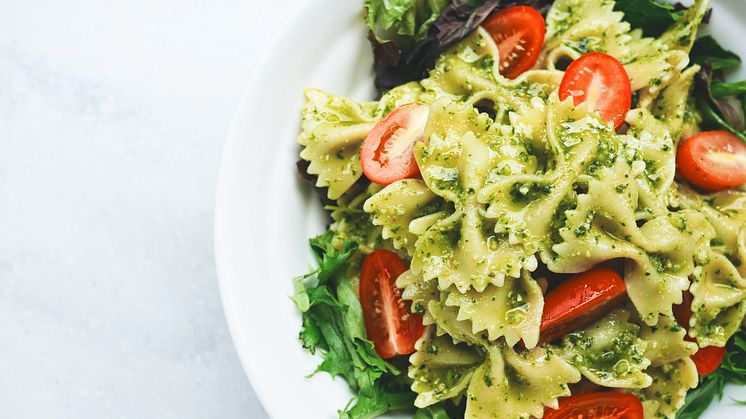
Several usual suspects fall under this category, but arguably the most common are potatoes, white bread and pasta.
Boiled potatoes are generally acceptable, but their processed versions in the form of French fries, hash browns and chips are definitely not.
These are high in calories and are often quickly overconsumed as fries, chips, and mashed potatoes, leading to rapid weight gain.
White bread and pasta have little fibre, which means they are easily digested, causing a spike in our blood sugar levels.
In response, our bodies release a surge of insulin to counteract the effect, which can cause you to feel hungry soon after. Very soon.
Go for: Basmati rice, sprouted bread, sourdough bread, sweet potato, yam, low GI pasta, etc
Sugar is not sweet
It may evoke all things sweet in the head, but sugar is harmful to the body.
Candies, cookies, ice cream and just about every sugary food are synonymous with weight gain and bad health.
They affect the body the same way as refined starches do.
Sugar-sweetened beverages, like that glass of your favourite soda, are disastrous for health!
They contain calories, and consuming them on top of your daily solid food intake is a recipe for rapid weight and fat gain.
We do need sugar for energy, but they are often extracted from the food we eat. So, added sugars are not necessary.
The tricky bit is that sugar in artificial sweetener form can be found in diet foods advertised as low-fat, low-calorie, and fat-free alternatives. So be mindful.
Go for: Dates, honey, organic peanut butter, high-fibre fruits, etc
Processed meat
Processed meat, such as sausages and hot dogs, is a common contributor to weight gain.
They contain high amounts of saturated fat, which can raise your cholesterol and blood pressure.
Eating them in large amounts can lead to the development of belly fat in particular, and that's the last thing anyone wants.
Additionally, you are putting your heart at risk. This is not only true for processed meat but also for red meat in general.
Avoid: Bacon, sausage, hot dogs, pepperoni, deli meats, ham, beef jerky, etc
The ideal first step towards weight loss is to consult a doctor or a nutrition specialist who can advise you on what your body needs and doesn't.
When it comes to prevention or gain, it is best to watch what you eat in terms of amount and the type of food.
However, weight loss is not as straightforward as we think.
Doctor-led weight management programme
Dr Ivan Puah has over 20 years of clinical experience treating people with weight issues and provides a comprehensive suite of programs to help patients reach their weight goals.
Losing weight, however, is a process and can be stressful.
In addition to medical intervention, exercise, and nutritional counselling, Amaris B. Clinic offers supervised administration of prescribed GLP-1 medication to support the individual's weight-loss objective.
Approved by the Health Sciences Authority (HSA), GLP-1 medication slows digestion and reduces cravings. It does so by:
- Imitating the GLP-1 hormone, a metabolic hormone secreted after food ingestion
- Slowing stomach emptying
- Inducing satiety
- Quelling food cravings
- Improving insulin sensitivity
Offered in injection and tablet form, depending on the doctor's prescription, you take them weekly via injection or daily before you start your day.
Many clinical studies have shown that patients who combine a calorie-deficient diet, consistent HIIT workouts, and GLP-1 medications can achieve greater weight loss than those who adopt the strategy singularly or with other weight loss medications [1, 2, 3, 4, 5].
FAQ
What should I avoid while taking GLP-1 medication?
While there are no restrictions, certain foods can hinder long-term weight management goals, such as ultra-processed, fatty, sugary, alcoholic, sodas, and spicy foods.
What foods should I eat on GLP-1 medication?
Eat smaller but more balanced meals. Focus on adding more lean proteins, high-fibre foods, healthy fats, and water.
What type of meat should you avoid on GLP-1 medication?
We recommend limiting red meat intake, as it is high in cholesterol, saturated fats, and sodium, which do not help weight loss.
Why am I still hungry on GLP-1 medication?
Hunger is a normal human sensation, and taking GLP-1 medication will not entirely diminish appetite; it just makes you feel full quicker and longer.
What medications cannot be taken with GLP-1 medication?
Do not take GLP-1 medication with medications that lower blood glucose. Your doctor will give you a thorough list of medications to avoid.
Reference
- Moore, P. W., Malone, K., VanValkenburg, D., Rando, L. L., Williams, B. C., Matejowsky, H. G., ... & Kaye, A. D. (2023). GLP-1 agonists for weight loss: pharmacology and clinical implications. Advances in therapy, 40(3), 723-742.
- Kanoski, S. E., Hayes, M. R., & Skibicka, K. P. (2016). GLP-1 and weight loss: unraveling the diverse neural circuitry. American Journal of Physiology-Regulatory, Integrative and Comparative Physiology, 310(10), R885-R895.
- Ryan, D., & Acosta, A. (2015). GLP‐1 receptor agonists: Nonglycemic clinical effects in weight loss and beyond. Obesity, 23(6), 1119-1129.
- Astrup, A., Carraro, R., Finer, N., Harper, A., Kunesova, M., Lean, M. E. J., ... & Van Gaal, L. (2012). Safety, tolerability and sustained weight loss over 2 years with the once-daily human GLP-1 analog, liraglutide. International journal of obesity, 36(6), 843-854.
- Vosoughi, K., Roghani, R. S., & Camilleri, M. (2022). Effects of GLP-1 agonists on proportion of weight loss in obesity with or without diabetes: systematic review and meta-analysis. Obesity Medicine, 35, 100456.