Press release —
World-flavoured seafood grows 13.6% as NSC highlights opportunities for UK category growth
Growth in world-flavoured ready-to-eat seafood is highlighting the potential for further innovation and category growth within the UK seafood market. According to the Norwegian Seafood Council's (NSC) Mid-Year Market & Retail Report 2026, world-flavoured ready-to-eat seafood has grown by 13.6%.¹ This reflects growing consumer interest in convenient, flavour-led products and highlights the role familiar cuisines, ingredients and meal formats could play in making seafood a more accessible and versatile choice for everyday meals.
This appetite for convenient, flavour-led seafood is also reflected in the UK's chilled sushi market, now worth £228 million, having increased by 13.6% in value and 2.9% in volume year on year.¹
Beyond ready-to-eat products, value-added seafood is demonstrating growth across the wider retail category, with prepared, sauced, coated and dusted formats also recording positive performance.¹ This points to growing potential for products that combine flavour and convenience, extending innovation beyond fully prepared meals and creating commercial possibilities across the broader seafood supply chain.
Wider consumer eating habits reinforce this potential. Across the food market, 38% of lunch and 29% of dinner servings are chosen because they are easy or quick to prepare, while cooking from scratch at lunchtimes has also increased slightly.¹ These trends suggest that convenience and home cooking are not necessarily competing preferences, with growing relevance for seafood products that simplify preparation while retaining the appeal of preparing meals at home.
The growth of value-added seafood also has wider implications for the UK seafood industry. Product innovation can take many forms, from new flavours and formats developed by producers and processors to branded and own-label products brought to market through suppliers, importers and retailers. Together, these developments illustrate how changing consumer preferences could support further category growth and deliver greater choice and value.
Norwegian seafood is well positioned within this evolving market. Alongside established favourites such as salmon, cod, haddock and cold-water prawns, Norway supplies a broader range of species, including saithe and halibut, suited to different flavours, formats and occasions. This diversity, combined with Norway's seafood expertise and commitment to quality, provides a strong foundation for value-added innovation.
Bjørn-Erik Stabell, UK Director at the Norwegian Seafood Council, says: "Consumers still want to cook at home, but they also want convenience, familiar flavours and simpler preparation. That creates real potential for seafood, including Norwegian seafood, to become part of more everyday meals.
"Value-added products can help introduce more species across different eating occasions, making seafood easier to choose more often. Norway's wider range of species, combined with our focus on quality and provenance, gives the industry a strong foundation for innovation."
In practice, this could mean exploring different flavour combinations and preparations across Norwegian species. Mild-flavoured cod and haddock, for example, lend themselves to marinades and seasoned ready-to-cook products, while saithe offers possibilities for spice-led dishes. Norwegian cold-water prawns can feature in convenient noodle bowls, pasta dishes and salads, with halibut providing a premium option for flavour-led ranges.
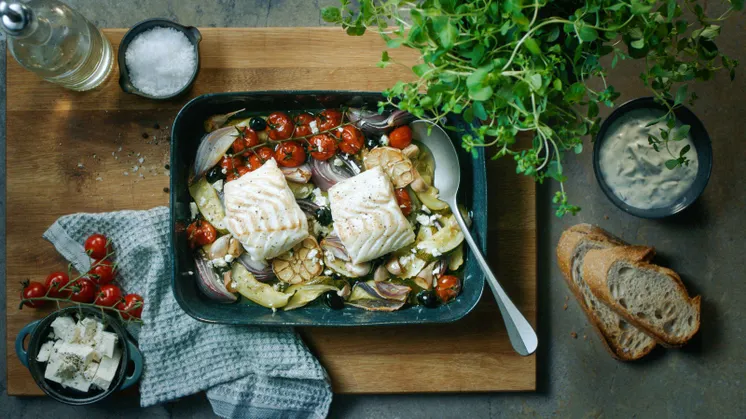
This potential also extends beyond traditional seafood products into the wider meal category. Familiar dishes such as tacos, pies, paella and traybakes offer examples of how different seafood species can be incorporated into recognisable meal formats. Combined with convenient preparation, these formats could encourage trial and bring greater variety to everyday seafood consumption.
Provenance adds another dimension. Norway's longstanding seafood heritage, experience in fisheries and aquaculture management, and focus on quality and traceability provide a credible origin story alongside product innovation. As seafood becomes incorporated into more prepared formats, clear origin labelling can help maintain a connection to the seafood behind the finished product.
Taken together, the findings point to the growing relevance of flavour, convenience and versatility in shaping the UK seafood market. With consumer preferences continuing to evolve, value-added products represent an area of potential growth across the seafood category, supported by the diversity and provenance of Norwegian seafood.
To find out more about the changing habits of UK seafood consumers and the opportunities for future category growth, please click here, or contact the Norwegian Seafood Council for further insights from its Mid-Year Market & Retail Report 2026.
Sources
1 Norwegian Seafood Council Mid-Year Market & Retail Report 2026
Related links
Topics
Categories
Regions
The Norwegian Seafood Council works with the Norwegian fisheries and aquaculture industries to develop markets for Norwegian seafood through local market intelligence, market development and reputational risk management. The Seafood Council is headquartered in Tromsø and maintains local representatives in thirteen of Norway's most important international markets. The Norwegian seafood industry finances the activities of the Norwegian Seafood Council via a tariff on all Norwegian seafood exports. The Norwegian Seafood Council is a public company owned by the Ministry of Trade, Industry and Fisheries.